3 citations
,
February 2025 in “Metabolites” The research found enzymes in Stephania epigaea that help make cepharanthine.
6 citations
,
October 2023 in “Pharmaceuticals” Eclipta prostrata extract may help with memory and diabetes due to its antioxidant and enzyme-inhibiting properties.
 12 citations
,
July 1957 in “Journal of Investigative Dermatology”
12 citations
,
July 1957 in “Journal of Investigative Dermatology” Giving dihydrotachysterol to mother rats caused skin hardening and bone issues in their babies through milk.
138 citations
,
November 1977 in “Biochimica et Biophysica Acta (BBA) - Proteins and Proteomics”  September 2024 in “Complementary Medicine Research”
 Traditional Persian medicine helped a woman with resistant hyperthyroidism improve and stabilize her condition.
37 citations
,
October 2010 in “JDDG Journal der Deutschen Dermatologischen Gesellschaft” Griseofulvin is the best treatment for tinea capitis in children, but more research is needed on other treatments and safety.
2 citations
,
September 2023 in “Journal of the American Academy of Dermatology” CTP-543 effectively promotes hair regrowth in adults with moderate to severe alopecia areata.
18 citations
,
August 2012 in “Chinese journal of integrative medicine/Chinese Journal of Integrative Medicine” Both treatments for alopecia areata are equally effective and safe.
 64 citations
,
June 2020 in “PLoS ONE”
64 citations
,
June 2020 in “PLoS ONE” Red light boosts beneficial compounds in Eclipta alba cultures.
4 citations
,
January 2017 in “International journal of trichology” Castor oil can cause severe hair matting.
July 2024 in “Fitoterapia” Camellia oleifera seed shell polyphenols and 1,3,6-tri-O-galloylglucose can help treat hair loss by reducing certain hormones and promoting hair growth.
 June 2025 in “Natural Product Communications”
 Researchers created 10 new compounds similar to cercidin, which could lead to new antibiotics.
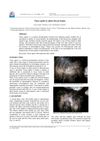
An adult Libyan woman was successfully treated for a rare scalp infection usually seen in children.
July 2009 in “Planta Medica” Traditional healers in Pabna, Bangladesh, use various plants to treat different health issues.
November 2025 in “Essential Chem” Eclipta alba may help hair regrowth by boosting cell growth.

Isotretinoin reduced inflammation in tufted hair folliculitis, but hair tufting remained.
 December 2020 in “International Journal of Biosciences (IJB)”
 Eclipta alba shows promise for medicinal use but needs more research.
March 2016 in “Cairn.info” Unexplained infant crying might be due to hair tourniquet syndrome, which needs quick attention and checking for possible abuse.
2 citations
,
April 2019 in “DOAJ (DOAJ: Directory of Open Access Journals)” Adding menthol to the lotion improved hair growth.
 33 citations
,
September 2012 in “Wound Repair and Regeneration”
33 citations
,
September 2012 in “Wound Repair and Regeneration” Applying calreticulin can speed up wound healing in diabetics.
7 citations
,
October 2018 in “South African journal of botany” Clausena anisata may be effective in treating acne due to its ability to fight bacteria, reduce inflammation, and possibly lower sebum production.
 January 2018 in “Our Dermatology Online”
 Trichomycosis axillaris is a treatable bacterial infection of underarm hair.
1 citations
,
January 2020 Cepharanthine shows promise as a potential lung cancer treatment by effectively killing cancer cells.
 29 citations
,
June 2014 in “Drug delivery”
29 citations
,
June 2014 in “Drug delivery” The new formulation improved the skin absorption of the drug Thiocolchicoside.
January 2026 in “Journal of Advanced Research” Bacillus sp. TC5 products help hair regrowth and improve skin drug absorption.
 December 2022 in “Frontiers in plant science”
 CCDC22 and CCDC93 are essential for root and root hair growth in Arabidopsis.
 1 citations
,
January 2019 in “International Journal of ChemTech Research”
1 citations
,
January 2019 in “International Journal of ChemTech Research” Eclipta prostrata has many medicinal benefits, but more research is needed to understand how it works.
14 citations
,
January 2014 in “Tropical Journal of Pharmaceutical Research” Urtica dioica L. extract may help treat tinea corporis but is less effective than terbinafine.
5 citations
,
February 2013 in “PubMed” An 11-year-old girl's hair loss was caused by a Cladosporium fungal infection, which was cured with itraconazole treatment.
 November 2015 in “Indian drugs”
 The aerial roots of the Ficus benghalensis plant contain flavonoids, phenolics, and saponins.