 25 citations
,
September 2020 in “Molecules”
25 citations
,
September 2020 in “Molecules” Quercitrin may help treat hair loss by promoting hair growth and improving cell health.
 15 citations
,
August 2017 in “International Journal of Molecular Medicine”
15 citations
,
August 2017 in “International Journal of Molecular Medicine” Panax ginseng extract may help prevent hair loss caused by DKK-1.
January 2022 in “Pastic and aesthetic research” PRP helps skin regeneration but needs standardized testing for consistent results.
 27 citations
,
January 2006 in “Colloids and Surfaces B: Biointerfaces”
27 citations
,
January 2006 in “Colloids and Surfaces B: Biointerfaces” Researchers found that bulge cells from human hair can grow quickly in culture and have properties of hair follicle stem cells, which could be useful for skin treatments.
 5 citations
,
January 2017 in “Clinics in Dermatology”
5 citations
,
January 2017 in “Clinics in Dermatology” Skin symptoms without a medical cause often reflect psychological stress and are influenced by culture, requiring a team approach for treatment.
Fungal infections like ringworm affect skin, hair, and nails in humans and animals, requiring culture for diagnosis and specific treatments.
21 citations
,
October 2010 in “Encyclopedia of Life Sciences” Histocultures help personalize cancer treatments, study hair growth, and explore immune responses.
2 citations
,
January 2023 in “Biomedicines” The treatment combining laser and fetal fibroblasts effectively reduces scarring.
July 2024 in “Journal of Investigative Dermatology” Combining certain treatments, including FOL005, may improve healing of difficult wounds.
 9 citations
,
October 2013 in “Pediatric dermatology”
9 citations
,
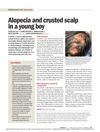
October 2013 in “Pediatric dermatology” Proper antifungal treatment is crucial to avoid misdiagnosis and prevent scarring alopecia.
 March 2026 in “Open MIND”
 Early treatment of scalp infections can prevent permanent hair loss.
January 2024 in “Medicinska istrazivanja” Timely treatment of EPDS can reduce scarring.
September 2007 in “MacSphere (McMaster University)” New biomarkers and targets for breast cancer treatment were identified to help prevent relapse and metastasis.
 February 1990 in “Journal of The American Academy of Dermatology”
 New skin treatments in 1987-1988 showed effectiveness for various conditions, but some had side effects or risks.
 October 2015 in “Journal of Bioresource Management”
 Growing hair cells in the lab from plucked hairs could lead to a new, less invasive, and cheaper baldness treatment.
25 citations
,
December 2013 in “Journal of Investigative Dermatology Symposium Proceedings” A new mouse model helps understand and find treatments for alopecia areata.
6 citations
,
October 1989 in “PubMed” Optimized conditions and specific treatments enhance the growth of hair cells from C3H mice.
 September 2016 in “Springer eBooks”
 Fat-derived stem cells may help treat skin aging and hair loss.
 129 citations
,
November 2005 in “Internal Medicine Journal”
129 citations
,
November 2005 in “Internal Medicine Journal” Early detection and intensive treatment of diseases caused by Staphylococcus aureus toxins are crucial for reducing severe health effects.
1 citations
,
December 2024 in “Journal of Orthopaedic Research®” Aromoline and DRD4 are potential targets for osteoarthritis treatment.
9 citations
,
January 2015 in “Indian Dermatology Online Journal” Early diagnosis and treatment of Kaposi varicelliform eruption are crucial to prevent severe complications.
January 2026 in “Indian Journal of Paediatric Dermatology” Trichoscopy effectively diagnoses and monitors treatment in children with tinea capitis.
April 1946 in “Archives of Dermatology” One child resisted treatment, while the other was successfully treated for scalp ringworm.
2 citations
,
February 2025 in “Advanced Healthcare Materials” Perhexiline can effectively target ovarian cancer cells left after treatment.
 2 citations
,
September 2022 in “Organoid”
2 citations
,
September 2022 in “Organoid” A new method was developed to efficiently grow skin hair follicles from stem cells, potentially aiding alopecia treatment.
 August 2024 in “Current Protocols”
 The C3H/HeJ mouse model is useful for studying and testing treatments for alopecia areata.
 July 2023 in “Journal of bioscience and bioengineering”
 DMSO and microfinger devices show promise for preserving hair grafts for hair loss treatments.
 August 2010 in “The Journal of Dermatology”
 The document concludes that low-dose acne treatment is most suitable for moderate acne, with high patient satisfaction and low relapse rates.
196 citations
,
November 2014 in “PubMed” Tinea infections need proper diagnosis and treatment with topical or oral antifungals based on severity and location.
2 citations
,
October 2023 in “PubMed” Scientists created a cell model to study and find treatments for a skin disease called RDEB.