 20 citations
,
January 2012 in “International Journal of Trichology”
20 citations
,
January 2012 in “International Journal of Trichology” Most cases of excessive hair growth in women are caused by polycystic ovarian syndrome and are linked to higher free testosterone levels.
 18 citations
,
January 2009 in “Journal of Endocrinological Investigation”
18 citations
,
January 2009 in “Journal of Endocrinological Investigation” Flutamide works better than finasteride for hirsutism, and combining both is slightly better but not much.
 17 citations
,
May 2019 in “Diabetes and Metabolic Syndrome: Clinical Research and Reviews”
17 citations
,
May 2019 in “Diabetes and Metabolic Syndrome: Clinical Research and Reviews” High fasting insulin levels in women with PCOS are linked to a higher risk of heart and metabolic problems.
 15 citations
,
September 2005 in “The Journal of the American Animal Hospital Association/Journal of the American Animal Hospital Association”
15 citations
,
September 2005 in “The Journal of the American Animal Hospital Association/Journal of the American Animal Hospital Association” Trilostane effectively treated hair loss in Alaskan Malamutes with no adverse effects.
 14 citations
,
December 2017 in “Journal of Bone and Mineral Metabolism”
14 citations
,
December 2017 in “Journal of Bone and Mineral Metabolism” Women with polycystic ovary syndrome have a higher risk of certain fractures.
 14 citations
,
March 2010 in “Gynecological endocrinology”
14 citations
,
March 2010 in “Gynecological endocrinology” New treatments for excessive hair growth in women include insulin modulators and enzyme inhibitors.
 9 citations
,
December 1981 in “International Journal of Dermatology”
9 citations
,
December 1981 in “International Journal of Dermatology” The document concludes that early diagnosis is key for treating common baldness in women, but reassurance is often the best approach as hair thinning can be a normal part of aging.
 7 citations
,
January 2025 in “Archives of Gynecology and Obstetrics”
7 citations
,
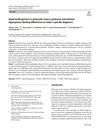
January 2025 in “Archives of Gynecology and Obstetrics” Differentiating PCOS from NCAH helps improve diagnosis and treatment.
 5 citations
,
October 2016 in “European Journal of Obstetrics & Gynecology and Reproductive Biology”
5 citations
,
October 2016 in “European Journal of Obstetrics & Gynecology and Reproductive Biology” Women with PCOS may have a higher risk of respiratory and ear infections due to slower nasal mucociliary clearance.
 5 citations
,
June 2010 in “Endocrinología y Nutrición”
5 citations
,
June 2010 in “Endocrinología y Nutrición” Diagnosing and managing PCOS in teens is hard, but early diagnosis and lifestyle changes are key, and more research is needed for long-term health.
 4 citations
,
September 2024 in “Frontiers in Endocrinology”
4 citations
,
September 2024 in “Frontiers in Endocrinology” Serum steroid profiling, especially 11-deoxycortisol, helps distinguish between adrenocortical carcinoma and adenoma, considering sex and functional status.
 2 citations
,
January 2002
2 citations
,
January 2002 Melanin and melanocytes contribute to the brown pigmentation in stasis dermatitis.
 December 2025 in “International journal of research and scientific innovation”
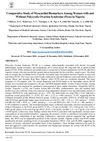
 Women with PCOS in Nigeria have higher heart risk markers, needing early heart health checks.
 December 2024 in “Turkish Society of Clinical Biochemistry”
 Higher BPA levels may be linked to idiopathic hyperandrogenemia in women.
 April 2024 in “International Journal of Advanced Multidisciplinary Research and Studies”
 Early investigation and a team approach are crucial for managing primary amenorrhea effectively.
 February 2024 in “Malahayati Nursing Journal”
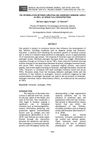
 High androgen levels can cause hirsutism and increase inflammation.
 June 2023 in “Journal of Liaquat University of Medical & Health Sciences”
 Higher PSA levels are linked to more hirsutism in women with PCOS.
 January 2023 in “International journal of homoeopathic sciences”
 Homeopathic remedies can help manage PCOS symptoms in girls aged 17-21.
 June 2022 in “COJ Biomedical Science & Research”
 PCOS management includes lifestyle changes and medications to improve fertility.
 May 2020 in “Fertility and Sterility”
 Nonobese, normotensive Indian women with PCOS may have a higher risk of heart problems linked to inflammation and insulin resistance.
 January 2020 in “Journal of South Asian Federation of Obstetrics and Gynaecology”
 Removing the ovaries can help treat hair loss caused by high androgen levels in postmenopausal women.
 December 2015 in “University of Birmingham Institutional Research Archive (University of Birmingham)”
 AKR1C3 could be a treatment target for metabolic issues in PCOS.

The document concludes that accurate diagnosis and management of PCOS are crucial due to its associated health risks.
 October 2012 in “Semina. Ciências Agrárias”
 A Shi Tzu dog with high cortisol levels improved after increasing the dose of trilostane.
 February 2004 in “The New England Journal of Medicine”
 The book is a comprehensive resource on hair disorders, but lacks information on some conditions.
 February 2004 in “The New England Journal of Medicine”
 The book is a comprehensive and current guide on hair disorders, with minor flaws.
 February 2004 in “The New England Journal of Medicine”
 The book is a useful resource for healthcare providers working with hospitalized children but misses some important studies and detailed problem evaluations.
 January 2017 in “Journal of clinical & experimental dermatology research”
 The case shows skin changes can indicate deeper health issues like insulin resistance, which are challenging to manage.
 1 citations
,
October 2023 in “Dermatology and therapy”
1 citations
,
October 2023 in “Dermatology and therapy” Some treatments for severe hair loss work but often have side effects, with baricitinib showing the most promise.
 117 citations
,
May 2017 in “Human Reproduction Update”
117 citations
,
May 2017 in “Human Reproduction Update” The update highlights that non-classic congenital adrenal hyperplasia is common in women with excess male hormones, requires specific hormone tests for diagnosis, and has various treatment options depending on age and symptoms.