December 2024 in “Journal of Investigative Dermatology” The conference highlighted new treatments and research in pediatric skin conditions, emphasizing collaboration and innovation.
March 2022 in “Journal of Investigative Dermatology” Discoid Lupus Erythematosus causes scalp plaques that can lead to hair loss, and antimalarial drugs are effective treatments.
 February 2022 in “Research Square (Research Square)”
 LGR5 is a marker found in hair follicle stem cells in various species and is important for hair growth and skin repair.
 June 2018 in “Reactions Weekly”
 A 65-year-old man developed a serious skin cancer linked to a drug he was taking for a fungal infection after a bone marrow transplant.
 November 1966 in “British Journal of Dermatology”
 The meeting discussed various skin conditions, treatments, and unusual cases, highlighting the effectiveness of tetracycline in treating rosacea.
September 2024 in “Preprints.org” Hair protects the scalp from skin cancer by aiding immune defense.

Modern skin cancer treatments can cause skin side effects and hair loss, affecting patients' quality of life.
 October 2020 in “Our Dermatology Online”
 Skin changes and high vitamin B12 levels can be early signs of cancer.
January 2014 in “eScholarship (California Digital Library)” Lrig1 and Lgr6 stem cells help maintain hair follicles and influence skin cancer development.
55 citations
,
May 2007 in “Australasian journal of dermatology” Two boys developed a viral skin infection during chemotherapy, which resolved with improved immune function.
 28 citations
,
May 1978 in “Archives of dermatology”
28 citations
,
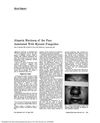
May 1978 in “Archives of dermatology” Alopecia mucinosa on the face can be linked to mycosis fungoides, a type of lymphoma.
 10 citations
,
November 2010 in “Pigment Cell & Melanoma Research”
10 citations
,
November 2010 in “Pigment Cell & Melanoma Research” Only skin melanocytes, not other types, can color hair in mice.
 January 2022 in “Przegla̧d dermatologiczny”
 The document concludes that there are various treatments for diseases linked to scarring hair loss, especially for primary scarring alopecia.
 April 2023 in “Journal of Investigative Dermatology”
 The AI model somewhat predicts lymph node status in melanoma patients using skin sample images.
32 citations
,
May 2018 in “Journal of the American Academy of Dermatology” Skin reactions from cancer treatments might predict how well the treatments work.
 30 citations
,
August 2021 in “Oncogene”
30 citations
,
August 2021 in “Oncogene” miR-22 helps skin cancer grow and spread by activating specific cell signals.
 16 citations
,
March 2015 in “Clinical Cancer Research”
16 citations
,
March 2015 in “Clinical Cancer Research” The document concludes that side effects from Smoothened inhibitor drugs for skin cancer are reversible and can be managed with a team approach to maintain quality of life.
 7 citations
,
November 2021 in “Anais Brasileiros de Dermatologia”
7 citations
,
November 2021 in “Anais Brasileiros de Dermatologia” Skin side effects from cancer treatments can lead to changes in therapy and are common, with nail changes being the most frequent.
 5 citations
,
October 2018 in “American Journal of Clinical Dermatology”
5 citations
,
October 2018 in “American Journal of Clinical Dermatology” Skin problems are common after stem cell transplants, and early treatment by dermatologists can improve patient outcomes.
3 citations
,
March 2019 in “American Journal of Dermatopathology” Recognizing rare tumor combinations is crucial for accurate diagnosis and treatment.
 June 2026 in “Frontiers in Oncology”
 GSDMA deficiency slows skin cancer growth.
2 citations
,
September 2017 in “Journal of Zoo and Wildlife Medicine” An addax had skin cancer that spread to lymph nodes and was euthanized.
1 citations
,
December 2014 in “Zenodo (CERN European Organization for Nuclear Research)” The method effectively induces skin cancer in mice for studying tumor development.
 December 2017 in “British Journal of Dermatology”
 Targeted therapy for skin cancer is complex due to the role of the hedgehog pathway in both cancer and hair growth.

New cancer drugs can cause skin side effects like rashes, dry skin, hair changes, and nail problems.
 42 citations
,
April 2012 in “Seminars in Oncology”
42 citations
,
April 2012 in “Seminars in Oncology” Targeted cancer therapies often cause skin problems that need careful management to improve patient quality of life and treatment success.
 7 citations
,
August 2017 in “PloS one”
7 citations
,
August 2017 in “PloS one” Key genes linked to hair growth and cancer were identified in hairless mice.
6 citations
,
December 2019 in “Frontiers in genetics” GLI1 might protect against the start of skin cancer and is not linked to cancer severity.
11 citations
,
November 2015 in “Carcinogenesis” Deleting TNFα gene reduces skin cancer risk in certain mice.
November 2025 in “Indian Dermatology Online Journal” Clouston syndrome can lead to skin cancer, so monitoring is crucial.