 27 citations
,
May 2010 in “Dermatologic Clinics”
27 citations
,
May 2010 in “Dermatologic Clinics” Zinc can be a helpful secondary treatment for certain skin conditions, but more research is needed to guide its use.
 25 citations
,
March 2012 in “Journal of Dermatological Science”
25 citations
,
March 2012 in “Journal of Dermatological Science” Genetic variants linked to ten skin diseases were found, showing both immune and non-immune factors play a role.
 22 citations
,
April 1998 in “Dermatologic Clinics”
22 citations
,
April 1998 in “Dermatologic Clinics” Interferons are effective for some skin conditions and cancers, but can have side effects and need more research for optimal use.
 19 citations
,
June 2015 in “Actas Dermo-Sifiliográficas”
19 citations
,
June 2015 in “Actas Dermo-Sifiliográficas” Chronic kidney disease can cause skin problems that affect patient quality of life, and treating these conditions can improve outcomes.
 13 citations
,
March 2013 in “International Journal of Cosmetic Science”
13 citations
,
March 2013 in “International Journal of Cosmetic Science” AcSDKP may help prevent skin and hair aging and promote their growth.
 13 citations
,
February 2006 in “Clinical and Experimental Dermatology”
13 citations
,
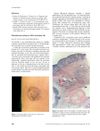
February 2006 in “Clinical and Experimental Dermatology” A benign tumor developed at a girl's BCG vaccination site, not previously linked to the vaccine.
11 citations
,
October 2024 in “International Journal of Molecular Sciences” Psoriasis patients have different skin bacteria, which may cause flare-ups.
11 citations
,
February 2018 in “Oncotarget” Lower SMAD2/3 activation predicts more severe skin cancer.
9 citations
,
March 2009 in “The journal of investigative dermatology/Journal of investigative dermatology” Ectodysplasin signaling is crucial for skin appendage development, requiring specific doses and durations.
 9 citations
,
July 2002 in “Journal of the European Academy of Dermatology and Venereology”
9 citations
,
July 2002 in “Journal of the European Academy of Dermatology and Venereology” The document concludes that fexofenadine reduces inflammation in chronic hives, cholestyramine helps half of pregnant women with itchy rashes, and relaxing incisions are a good alternative in facial surgery for the elderly.
5 citations
,
August 2025 in “Biomedicines” Early detection and multidisciplinary management of skin and mouth side effects from breast cancer treatments improve patient outcomes.
 4 citations
,
May 2021 in “The American Journal of Surgical Pathology”
4 citations
,
May 2021 in “The American Journal of Surgical Pathology” Cutaneous Lymphadenoma is a unique skin tumor with specific protein markers and common gene mutations that may cause continuous cell growth.
 2 citations
,
October 2019 in “International Journal of Research in Dermatology”
2 citations
,
October 2019 in “International Journal of Research in Dermatology” Obese people have more and worse skin problems than those of normal weight.
 2 citations
,
September 2010 in “Journal of the Dermatology Nurses’ Association”
2 citations
,
September 2010 in “Journal of the Dermatology Nurses’ Association” Transplant patients on immunosuppressive medications have a higher risk of skin cancer, and managing this involves balancing medication with cancer risk.
 2 citations
,
October 2010 in “Springer eBooks”
2 citations
,
October 2010 in “Springer eBooks” Using cheek skin and cartilage grafts for nose reconstruction after skin cancer surgery can maintain shape and function but may require multiple surgeries and hair removal in men.
 1 citations
,
October 2023 in “Romanian Journal of Morphology and Embryology”
1 citations
,
October 2023 in “Romanian Journal of Morphology and Embryology” COVID-19 can cause various skin issues, but long-term skin problems are rare.
 1 citations
,
November 2022 in “Cureus”
1 citations
,
November 2022 in “Cureus” Some COVID-19 patients have skin issues, with men, ICU patients, and those on multiple antibiotics at higher death risk; in-person skin checks by dermatologists are more effective.
 1 citations
,
August 2021 in “Педиатр”
1 citations
,
August 2021 in “Педиатр” Endocrine diseases in children often cause skin changes like dryness, redness, acne, hair loss, and more.
 June 2026 in “Journal of Korean Medicine”
 Long-term repeated cupping therapy can cause unexpected localized hair growth.
 December 2025 in “Nature Communications”
 Skin organoids can model tuberculosis infection and help test treatments.
November 2025 in “Cancer Cell International” Cancer-associated fibroblasts promote tumor growth in skin cancer.
 April 2025 in “Otorhinolaryngology Clinics - An International Journal”
 Histopathological examination is crucial to avoid misdiagnosis and ensure proper treatment for skin lesions.
 June 2021 in “International Journal of Research in Dermatology”
 Half of the people with alcohol dependency in the study had liver disease and skin issues like seborrheic dermatitis, which are important signs of alcohol abuse.
 April 2021 in “BMJ Case Reports”
 Accurate diagnosis of pseudolymphomatous folliculitis is crucial to avoid mistaking it for more serious conditions.

Live imaging helps us understand skin immune responses and develop treatments.
 April 2018 in “Journal of Investigative Dermatology”
 Nonmelanoma skin cancers have higher levels of certain osteopontin variants than normal skin.
 September 2014 in “Aktuelle Dermatologie”
 The symposium concluded that environmental factors significantly contribute to skin aging.
 July 2003 in “Journal of Cutaneous Medicine and Surgery”
 Some medications can improve skin conditions, while lifestyle factors like smoking and drinking may worsen them; treatments like monoclonal antibodies and imiquimod cream show promise for certain skin diseases.
 January 2026 in “Inflammation and Regeneration”
 Two-photon microscopy improves skin imaging but faces safety and cost challenges for clinical use.
 July 2025 in “SKIN The Journal of Cutaneous Medicine”
 Ashwagandha may help with skin and hair issues, but more research is needed.