11 citations
,
November 2015 in “Carcinogenesis” Deleting TNFα gene reduces skin cancer risk in certain mice.
 1 citations
,
May 2001 in “Pharmacology & Toxicology”
1 citations
,
May 2001 in “Pharmacology & Toxicology” Cyproterone acetate may cause liver cancer at high doses, but is considered safe at recommended doses for approved uses.
 June 2023 in “International Journal of Clinical Research and Reports”
 Method B with propylene glycol is better for stable low-concentration DPCP solutions for alopecia areata.
1 citations
,
January 2017 in “International journal of trichology” Diphenylcyclopropenone (DPCP) effectively treated both alopecia areata and verruca vulgaris.
 1 citations
,
September 2019 in “Journal of Investigative Dermatology”
1 citations
,
September 2019 in “Journal of Investigative Dermatology” The research showed that CRISPR/Cas9 can fix mutations causing a skin disease in stem cells, which then improved skin grafts in mice, but more work on safety and efficiency is needed.
June 2025 in “British Journal of Dermatology” A rare skin condition in a boy is likely due to a specific genetic mutation pattern.
3 citations
,
April 2024 in “JAAD Case Reports” DPCP may be safe for treating alopecia during pregnancy, but more research is needed.
1 citations
,
January 2008 in “SKINmed Dermatology for the Clinician” Treatment with prednisolone and dapsone stopped new blisters and partially healed previous ones.
18 citations
,
July 2006 in “British Journal of Dermatology” Connexin 30 is usually absent in normal skin but can appear in certain skin conditions.
6 citations
,
April 1993 in “Journal of Dermatological Science” Certain substances can strongly inhibit DNA synthesis in hair cells.
 37 citations
,
March 2012 in “International Journal of Radiation Biology”
37 citations
,
March 2012 in “International Journal of Radiation Biology” Mobile phone radiation can cause DNA damage in human hair root cells.
January 1982 in “Clinical Cosmetic and Investigational Dermatology” Familial dyskeratotic comedones are a rare, inherited skin condition that is hard to treat but may improve slightly with topical retinoids and urea cream.
 August 2012 in “Nature Cell Biology”
 The tumor suppressor BRCA2 helps in cell division by bringing key proteins to the area where cells split.
13 citations
,
January 2010 in “Immunopharmacology and immunotoxicology” Diphencyprone increases Bcl-2 protein in patients with hair regrowth from alopecia areata.
213 citations
,
December 1994 in “Medical Entomology and Zoology” Skin cancer involves complex mechanisms, risk factors, and can be potentially prevented with strategies like dietary changes and certain compounds.

The document concludes that the development of certain tumors is influenced by genetic background and that a specific gene modification can lead to tumor regression and reduced growth.
 April 2023 in “Journal of Investigative Dermatology”
 Disrupting a specific protein's function in hair follicle stem cells triggers their activation and a self-healing process.
7 citations
,
July 2013 in “Acta Biochimica Polonica” Chemotherapy reduces splenic melanin in mice.
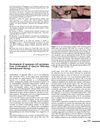 3 citations
,
May 2018 in “European Journal of Dermatology”
3 citations
,
May 2018 in “European Journal of Dermatology” Photodynamic therapy may not work for erythroplasia of Queyrat and could lead to invasive squamous cell carcinoma.
 15 citations
,
May 1966 in “The Journal of Urology”
15 citations
,
May 1966 in “The Journal of Urology” A woman developed severe bladder inflammation after cancer treatment with Cytoxan.
9 citations
,
January 1983 in “Journal of Chromatography B Biomedical Sciences and Applications” Human hair follicles can assess carcinogen metabolism and imidazole compounds might be effective anticarcinogens.
36 citations
,
March 2009 in “Molecular Carcinogenesis” Disrupting Bcl-xL in mice reduces skin cancer risk.
 6 citations
,
November 2008 in “Journal of Dermatological Science”
6 citations
,
November 2008 in “Journal of Dermatological Science” Certain proteins involved in DNA modification may affect the genetic changes in systemic lupus erythematosus and could indicate the disease's activity.
June 1996 in “Journal of Dermatological Science” 28 citations
,
February 2007 in “Cancer Research” Blocking certain proteins in mouse skin can reduce and shrink skin tumors.
10 citations
,
January 2004 in “PubMed” Radiation increases cell death in hair follicles, but certain treatments can protect against this effect.
 44 citations
,
February 2015 in “Journal of the American Academy of Dermatology”
44 citations
,
February 2015 in “Journal of the American Academy of Dermatology” Combining diphenylcyclopropenone with anthralin is more effective for hair regrowth in alopecia areata than using diphenylcyclopropenone alone, but may cause more side effects.
14 citations
,
June 1982 in “Archives of Dermatology” A man had bad reactions to a hair loss treatment called DNCB.
4 citations
,
December 2024 in “European Journal of Medicinal Chemistry” New pyrazole-based inhibitors show promise for treating metabolic diseases and other conditions.
 52 citations
,
November 2003 in “Journal of Investigative Dermatology”
52 citations
,
November 2003 in “Journal of Investigative Dermatology” Different harmful mutations in the CDH3 gene cause HJMD, but symptoms vary among individuals.