January 2007 in “Journal of Clinical Dermatology” The topical solution increased hair count but wasn't significantly better than placebo in other measures.
 8 citations
,
January 2020 in “Biomaterials Science”
8 citations
,
January 2020 in “Biomaterials Science” Researchers developed a scaffold that releases a healing drug over time, improving wound healing and skin regeneration.
131 citations
,
November 2010 in “Journal of the American Academy of Dermatology” Cyclosporine is effective for skin conditions but has declined in use due to toxicity concerns.
 15 citations
,
May 2010 in “International Journal of Cosmetic Science”
15 citations
,
May 2010 in “International Journal of Cosmetic Science” The cell membrane complex in mammalian hair has three distinct types with different structures and chemical properties.
 18 citations
,
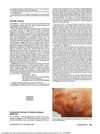
March 1990 in “Archives of Dermatology”
18 citations
,
March 1990 in “Archives of Dermatology” Cyclosporine cleared a woman's resistant skin condition quickly and kept it away for over a year.
 3 citations
,
March 2014 in “Journal of Industrial Microbiology & Biotechnology”
3 citations
,
March 2014 in “Journal of Industrial Microbiology & Biotechnology” Scientists found a new gene in a bacterium that can modify an immunosuppressant drug, potentially helping to treat hair loss.
March 2026 in “ACS Applied Bio Materials” The TO-TF copolymer strengthens damaged hair effectively and sustainably.
11 citations
,
January 2020 in “Engineered science” 18 citations
,
January 2021 in “Theranostics” The targeted nanohybrids effectively reduced psoriasis symptoms and improved skin health.
36 citations
,
May 2005 in “BMC dermatology” DPCP is effective for treating severe alopecia areata, but relapse is common.
April 2011 in “HAL (Le Centre pour la Communication Scientifique Directe)” Chitosan-decorated nanoparticles improve skin delivery of finasteride, with PS404-b-PAA63 being most effective.
 59 citations
,
February 2003 in “Veterinary Dermatology”
59 citations
,
February 2003 in “Veterinary Dermatology” Cyclosporin is effective for treating skin conditions in small animals, but requires careful dosing and monitoring for side effects.
January 2014 in “Journal of Central South University(Science and Technology)” PPCM microspheres can effectively release finasteride over 42 days.
8 citations
,
May 2005 in “The American journal of dermatopathology/American journal of dermatopathology” The hair defect is due to abnormal inner root sheath keratinization.
 April 2017 in “Journal of Investigative Dermatology”
 HPH-15, a new compound, effectively reduces skin fibrosis in experiments without causing harm.
November 2016 in “The Molecular Biology Society of Japan” 9 citations
,
March 2005 in “International Journal of Cosmetic Science” The torsional method effectively evaluates hair damage and the performance of hair care ingredients.
Potential new drugs for treating PCOS were identified.
1 citations
,
October 2025 in “Gels” Nanogels with hydrophobic modifications improve oral drug delivery for intestinal disease treatment.
December 2007 in “대한피부과학회지” The treatment increased total hair count but wasn't significantly better than placebo.
42 citations
,
August 2016 in “Nanomedicine” The new adapalene formulation using TyroSpheres is more effective and less irritating for acne treatment.
 March 2026 in “Preprints.org”
 Chirality affects the structure, strength, and function of peptide-based hydrogels.
 6 citations
,
April 2022 in “Advanced Pharmaceutical Bulletin”
6 citations
,
April 2022 in “Advanced Pharmaceutical Bulletin” Cefazolin-loaded nanoparticles in nanofibers can help heal wounds and support regeneration.
5 citations
,
January 1991 in “Acta Dermato Venereologica” Topical cyclosporin promotes hair growth.
 March 2024 in “International journal of nanomedicine”
 Polymeric nanohydrogels show potential for skin drug delivery but have concerns like toxicity and regulatory hurdles.
18 citations
,
January 2024 in “Regenerative Biomaterials” The hydrogel helps heal diabetic wounds by reducing infection and inflammation.
January 2015 in “Journals & Books Hosting (International Knowledge Sharing Platform)” Compound 1 showed promising anticancer activity.
 5 citations
,
September 2019 in “ACS Applied Bio Materials”
5 citations
,
September 2019 in “ACS Applied Bio Materials” The hydrogel with bioactive factors improves skin healing and regeneration.
 1 citations
,
November 2001 in “British Journal of Dermatology”
1 citations
,
November 2001 in “British Journal of Dermatology” Oral cyclosporin doesn't stop hair loss.
January 2003 in “Journal of Clinical Dermatology” Cyclosporin promotes hair growth by boosting cell growth and reducing cell death.