 5 citations
,
January 2009 in “Dermato-endocrinology”
5 citations
,
January 2009 in “Dermato-endocrinology” ADAM 10 and ADAM 12 proteins are involved in different stages of hair growth and could be targets for treating hair disorders.
 May 2024 in “JAMA Dermatology”
 Oral contraceptive use may increase the risk of frontal fibrosing alopecia in women with a specific CYP1B1 gene variant.
 9 citations
,
February 2018 in “The Journal of Dermatology”
9 citations
,
February 2018 in “The Journal of Dermatology” A new mutation in the LIPH gene was found to cause a rare hair disorder in a Japanese boy.
88 citations
,
June 2000 in “Journal of Investigative Dermatology” Keratin 17 is important for hair and nail structure and affects pachyonychia congenita symptoms.
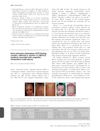 11 citations
,
September 2011 in “British Journal of Dermatology”
11 citations
,
September 2011 in “British Journal of Dermatology” New ABCA12 gene mutations were linked to a skin condition with scaling and hair loss, and a treatment helped with hair loss in a related case.
 15 citations
,
February 2015 in “Cell & tissue research/Cell and tissue research”
15 citations
,
February 2015 in “Cell & tissue research/Cell and tissue research” P-cadherin is important for hair growth and health, and its problems can cause hair and skin disorders.
 27 citations
,
September 1999 in “Journal of Investigative Dermatology”
27 citations
,
September 1999 in “Journal of Investigative Dermatology” Human skin cells contain Protease Nexin-1, and male hormones can decrease its levels, potentially affecting hair growth.
107 citations
,
April 2014 in “The Plant cell” The CAP1 gene helps control ammonium levels and is necessary for the proper growth of root hairs in Arabidopsis.
August 2024 in “Archives of Dermatological Research” CHI3L1 and CXCL5 proteins help promote hair growth.
 72 citations
,
November 2012 in “PloS one”
72 citations
,
November 2012 in “PloS one” The protein folliculin, involved in a rare disease, works with another protein to control how cells stick together and their organization, and changes in this interaction can lead to disease symptoms.
 April 2024 in “BMB Reports”
 Lack of Cisd2 disrupts calcium balance in cells, leading to poorly functioning neutrophils.
5 citations
,
March 2017 in “Gene” CAP1 decreases the expression of a hair-related protein in young Tan sheep's skin.
 April 2023 in “Journal of Investigative Dermatology”
 Changing YBX1 protein activity affects skin stem cell function and aging.
 5 citations
,
February 2008 in “Experimental Dermatology”
5 citations
,
February 2008 in “Experimental Dermatology” Cyclosporin A promotes hair growth in mice and increases a protein linked to hair growth, but it may not work the same way in humans.
11 citations
,
May 2013 in “Journal of Investigative Dermatology” KRTAP10 proteins help form the hair shaft's tough outer layer by interacting with specific hair keratins.
3 citations
,
January 2022 in “Burns & Trauma” CTHRC1 helps sweat glands recover by rebuilding nearby blood vessels.
10 citations
,
August 2010 in “Hereditas (Beijing)” Hoxc13 is essential for hair growth and follicle development.
36 citations
,
March 2014 in “Molecular and Cellular Biology” Cidea is essential for proper lipid storage and secretion in sebaceous glands, affecting skin and hair health.
46 citations
,
June 2013 in “Journal of structural biology” High glycine–tyrosine keratin-associated proteins help make hair strong and maintain its shape.
46 citations
,
December 1992 in “The Journal of Steroid Biochemistry and Molecular Biology” Affected males are born with ambiguous genitalia, raised as females, but develop male traits at puberty due to enzyme deficiency.
 42 citations
,
October 2009 in “The journal of investigative dermatology/Journal of investigative dermatology”
42 citations
,
October 2009 in “The journal of investigative dermatology/Journal of investigative dermatology” Mutations in the KRT85 gene cause hair and nail problems.
24 citations
,
February 2011 in “The American journal of pathology” AIRE protein, defective in APECED patients, is found in skin and hair cells and interacts with cytokeratin 17.
 11 citations
,
August 2010 in “Developmental neurobiology”
11 citations
,
August 2010 in “Developmental neurobiology” Ptprq has multiple forms that change during inner ear development.
1 citations
,
April 2025 in “BMC Veterinary Research” PSAT1 is key for hair growth and stem cell function in cashmere goats.
11 citations
,
June 2001 in “British Journal of Dermatology” c-Myc, Max, and Bin1 help hair follicle cells mature and die.
January 2026 in “Applied Sciences” Cyclic ADP-ribose helps regulate calcium and signals that promote hair growth in hair follicle cells.
 26 citations
,
February 1998 in “Chemico-Biological Interactions”
26 citations
,
February 1998 in “Chemico-Biological Interactions” Scientists identified three genes important for processing certain brain chemicals, thyroid hormones, and medications.
 98 citations
,
June 2001 in “Journal of biological chemistry/The Journal of biological chemistry”
98 citations
,
June 2001 in “Journal of biological chemistry/The Journal of biological chemistry” A cluster of sulfur-rich hair protein genes was found on chromosome 17.
 13 citations
,
August 2020 in “Frontiers in Cell and Developmental Biology”
13 citations
,
August 2020 in “Frontiers in Cell and Developmental Biology” Twist1 helps maintain important features of cells crucial for hair growth by working with Tcf4 and β-catenin.
 June 2023 in “British Journal of Dermatology”
 The protein called small nuclear ribonucleoprotein polypeptide E is identified as a cause of a type of hair loss without other symptoms.