 December 2025 in “Cureus”
 Using 5α-reductase inhibitors for hair loss may increase the risk of dry eye disease.
 September 2025 in “International Journal of Innovative Technologies in Social Science”
 Biologic agents are effective for severe hidradenitis suppurativa when other treatments fail.
 September 2025 in “Journal of Drug Delivery and Therapeutics”
 Targeting hair follicles can effectively promote hair growth and treat hair disorders.
 June 2025 in “Basrah Researches Sciences”
 Medicinal plants might help with post-COVID-19 issues, but more research is needed.
 January 2025 in “RSC Pharmaceutics”
 Smart microneedles using advanced tech could improve psoriasis treatment.
 January 2025 in “International Journal of Dermatology Venereology and Leprosy Sciences”
 Obesity worsens skin health and losing weight can improve skin conditions.
 January 2025 in “Drug repurposing”
 New drug uses show promise but need more research.
 December 2024 in “Deleted Journal”
 New therapies show promise for wound healing, but more research is needed for safe, affordable options.
 October 2024 in “Irish Journal of Medical Science (1971 -)”
 Electrical stimulation with a low-calorie diet reduces appetite, weight, and blood pressure in obese people with sleep apnea.
 September 2024 in “World Journal of Advanced Research and Reviews”
 COVID-19 can harm many body parts, not just the lungs.
 August 2024 in “New Zealand Medical Student Journal”
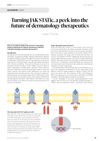
 JAK inhibitors show promise for treating skin diseases effectively and safely.
 February 2024 in “PloS one”
 Tofacitinib and adalimumab are promising treatments for cicatricial alopecia with few side effects.

New insights into cell communication in psoriasis suggest innovative drug treatments.
 January 2024 in “Biological & clinical sciences research journal”
 Apigenin, found in plants and vegetables, has many health benefits, including anti-inflammatory, antioxidant, and anticancer effects.
 October 2023 in “European medical journal. Dermatology”
 Hair loss greatly affects quality of life, and dermatologists are crucial for proper diagnosis and treatment.

Stress significantly contributes to hair loss, especially in women and those aged 31-40.
 February 2023 in “Global Journal of Reproductive Medicine”
 Medical treatments for benign prostatic hyperplasia mainly relieve symptoms, while surgery is more effective but not always suitable for elderly patients.
 December 2022 in “International Journal of Biomedicine”
 Androgens may worsen COVID-19 and hair loss could indicate the disease's severity.
 October 2022 in “Journal of experimental and clinical medicine”
 Repurposing existing drugs for COVID-19 shows promise but requires more research to confirm effectiveness.
 January 2022 in “Dermatology Review”
 Higher IL-31 levels are linked to worse itching in chronic kidney disease patients.

A girl with Crohn's disease developed hair loss due to her increased medication, a rare side effect seen in some children.
 April 2021 in “Sohag Medical Journal”
 Alopecia areata is an autoimmune condition causing hair loss, linked to genetic factors and immune system issues, with no cure yet.

Plant roots respond to fungus smells by possibly using certain proteins and a plant hormone to change root growth, but more research is needed.
 November 2019 in “Harper's Textbook of Pediatric Dermatology”
 The document is a detailed medical reference on skin and genetic disorders.
 May 2019 in “bioRxiv (Cold Spring Harbor Laboratory)”
 Testosterone significantly affects urination differences between male and female mice.
 July 2018 in “Elsevier eBooks”
 Some drugs can cause reversible hair loss, but certain chemotherapy drugs may lead to permanent hair loss; drugs can also change hair color and texture.
 December 2017 in “Springer eBooks”
 Transplant patients often get skin problems, with treatments varying by condition.
 January 2017 in “Clinical approaches and procedures in cosmetic dermatology”
 Anti-glycation treatments might slow skin aging, but more research is needed.
 January 2015 in “Springer eBooks”
 Chronic kidney disease can cause hair loss, which may be related to zinc deficiency or certain medications, and sometimes hair grows back when the underlying issue is treated.
 January 2014 in “Journal of Pigmentary Disorders”
 Women's hair gets thinner and grayer as they age, with treatments available for hair loss and graying.