 11 citations
,
May 1990 in “Journal of Dermatological Science”
11 citations
,
May 1990 in “Journal of Dermatological Science” Diazoxide applied to the skin can increase hair growth without harmful side effects.
September 2023 in “Journal of the American Academy of Dermatology” 10 citations
,
January 2012 in “Case reports in medicine” Diphencyprone can cause unexpected and possibly permanent vitiligo.
408 citations
,
May 2004 in “The Journal of clinical endocrinology and metabolism/Journal of clinical endocrinology & metabolism” Dutasteride more effectively lowers DHT levels in men with enlarged prostates than finasteride.
 10 citations
,
February 2008 in “International Journal of Andrology”
10 citations
,
February 2008 in “International Journal of Andrology” A combination of nanomilled oral testosterone and dutasteride normalized testosterone levels in men with low testosterone and is safe for short-term use.
 1 citations
,
September 2023 in “Journal of the American Academy of Dermatology”
1 citations
,
September 2023 in “Journal of the American Academy of Dermatology” Baricitinib significantly improves hair regrowth in severe alopecia areata.
 January 2022 in “Figshare”
 Dexamethasone increases androgen receptor activity in scalp cells, which might explain stress-related hair loss.
July 2026 in “Research Square” 36 citations
,
May 2005 in “BMC dermatology” DPCP is effective for treating severe alopecia areata, but relapse is common.
 7 citations
,
January 2013 in “Journal of Cosmetics, Dermatological Sciences and Applications”
7 citations
,
January 2013 in “Journal of Cosmetics, Dermatological Sciences and Applications” Argan oil and cupuassu butter can protect hair after dyeing.
March 2016 in “The Journal of Urology” The discovery of 5α-reductase deficiency in guevedoces led to the development of important urologic medications.
 8 citations
,
July 2017 in “Biochemical and biophysical research communications”
8 citations
,
July 2017 in “Biochemical and biophysical research communications” A new compound, BOI, can help hair grow by changing hair cycle phases and increasing certain cell contents.
 1 citations
,
February 2022 in “Clinical and Experimental Health Sciences”
1 citations
,
February 2022 in “Clinical and Experimental Health Sciences” Dexpanthenol may help treat epilepsy and depression.
 36 citations
,
October 2009 in “Journal of Investigative Dermatology”
36 citations
,
October 2009 in “Journal of Investigative Dermatology” Dihydrotestosterone can be made from dehydroepiandrosterone in skin cells without needing testosterone.
2 citations
,
May 2024 in “International Journal of Medical Arts” Diphenylcyclopropenone (DPCP) is more effective than anthralin for treating resistant alopecia areata.
1 citations
,
June 2019 in “Journal of Cutaneous Immunology and Allergy” Squaric acid dibutylester can cause severe skin reactions in people with allergies.
 4 citations
,
July 2022 in “Scientific reports”
4 citations
,
July 2022 in “Scientific reports” Crossbreeding improves goat fiber quality, and specific genes affect hair traits and color.
March 2026 in “World Rabbit Science” DKK4 can be used to improve wool quality in Zhexi Angora rabbits.
8 citations
,
August 2012 in “Clinical, cosmetic and investigational dermatology” Doublebase gel hydrates skin better and is preferred by most users over Aqueous cream.
 December 2023 in “International Journal of Applied Pharmaceutics”
 Moringa seed oil helped hair growth in rabbits, with the highest dose being most effective.
 March 2026 in “Tissue Engineering and Regenerative Medicine”
 Dopamine-modified adhesives are improving for sticking tissues underwater.
 November 2025 in “SKIN The Journal of Cutaneous Medicine”
 Baricitinib works better in adolescents than adults for treating severe alopecia areata.
1 citations
,
August 2016 DHA derivatives, especially didocosahexaenoin, effectively kill prostate cancer cells and may offer a safer cancer treatment option.
 April 2019 in “Journal of Investigative Dermatology”
 Testosterone affects androgen receptors and lipid storage in cells, while DHEA does not convert to testosterone or affect these receptors in the same way.
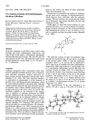 December 1998 in “Acta Crystallographica Section C-crystal Structure Communications”
 A new compound with strong antiandrogenic effects was found, potentially useful for treating conditions like acne and prostate cancer.
 May 2024 in “Nano letters”
 Polydopamine and quercetin together can speed up hair regrowth.
14 citations
,
June 1982 in “Archives of Dermatology” A man had bad reactions to a hair loss treatment called DNCB.
 April 2026 in “Zenodo (CERN European Organization for Nuclear Research)”
 The model improves understanding of androgen interactions by focusing on signal intensity and system capacity.
A hair tonic with 7.5% daun talok and 2% daun pare promotes hair growth as effectively as minoxidil.
 March 2026 in “Journal of Hunan University Natural Sciences”
 Albizia saponaria stem bark shows promise as a natural antidandruff treatment.