18 citations
,
August 2011 in “Medical Hypotheses” Physical inactivity is a primary cause of many human illnesses.
 10 citations
,
August 2022 in “Journal of clinical sleep medicine”
10 citations
,
August 2022 in “Journal of clinical sleep medicine” Transgender youth have more sleep disorders, but gender-affirming therapy may help reduce them.
 14 citations
,
October 2006 in “Journal of The American Academy of Dermatology”
14 citations
,
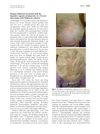
October 2006 in “Journal of The American Academy of Dermatology” A woman with Parkinson's disease experienced hair loss from the Parkinson's medication pramipexole, which improved after stopping the drug.
 1 citations
,
January 2018 in “Side effects of drugs annual”
1 citations
,
January 2018 in “Side effects of drugs annual” Diuretics can cause serious side effects and should be used carefully.
The CDC reports 23 measles cases in unvaccinated US kids, new treatments for eosinophilic esophagitis and osteopenia are approved, poor sleep may cause migraines, atopic dermatitis could lead to asthma, migraines might increase Crohn's disease risk, cancer may raise heart disease risk, gout is linked to prostate issues, Cabo Verde is malaria-free, social factors and vitamin D affect dementia risk, smoking increases hair loss risk, certain drugs might lower thyroid disease risk in arthritis, noma is a neglected disease, and meal timing could impact heart health.
55 citations
,
December 1983 in “Acta Neurologica Scandinavica” Carbamazepine, valproate, and clonazepam can cause mild to serious side effects during long-term epilepsy treatment.
 11 citations
,
April 2013 in “SpringerPlus”
11 citations
,
April 2013 in “SpringerPlus” Human skin's melanocytes respond to light by changing shape, producing pigments and hormones, which may affect sleep patterns.
 June 2006 in “Almustansiriya journal of pharmaceutical sciences/Al-Mustansiriyah journal of pharmaceutical sciences”
 Melatonin may help reduce the needed dose of prednisolone and improve hair growth in alopecia areata patients.
 June 2021 in “Psychiatria Danubina”
 The antidepressant escitalopram likely caused hair loss in a patient.
 December 2020 in “Nigerian journal of animal production”
 Dexamethasone can cause diabetes in rats, and Annona muricata bark extract may help lower blood sugar.
April 2026 in “Therapeutic Advances in Drug Safety” Finasteride is high-risk for cognitive disorders, while Carbidopa/Levodopa, Topiramate, and Clonazepam are moderate-risk.
 November 2022 in “Journal of the Endocrine Society”
 Immunotherapy for cancer caused a patient to develop a condition affecting hormone production, requiring ongoing hormone replacement therapy.
November 2001 in “The Journal of neuropsychiatry and clinical neurosciences/The journal of neuropsychiatry and clinical neurosciences” Divalproex sodium can unexpectedly cause agitation and hyperactivity in some patients.
4 citations
,
May 2022 in “PeerJ” Melatonin may help hair growth by affecting cell growth and hair-related signaling pathways.
July 2026 in “Journal of Craniofacial Surgery” Melatonin helps hair growth by boosting stem cell activity.
 January 2013 in “Psychiatry and clinical neurosciences”
 Physical symptoms in depression can reveal underlying medical conditions.
 127 citations
,
January 2015 in “Journal of Biological Rhythms”
127 citations
,
January 2015 in “Journal of Biological Rhythms” The skin's internal clock affects healing, cancer risk, aging, immunity, and hair growth, and disruptions can harm skin health.
 97 citations
,
December 2010 in “Journal of Neuroscience”
97 citations
,
December 2010 in “Journal of Neuroscience” Midazolam impairs learning and memory by increasing neurosteroids through specific receptor activation.
1 citations
,
December 2005 in “Al-Mağallaẗ al-ʻirāqiyyaẗ li-l-ṣaydalaẗ” Melatonin reduced oxidative stress and might improve hair growth in alopecia areata patients.
2 citations
,
April 2024 in “Urology Annals” Taking dutasteride every other day works as well as daily and better preserves sexual function.
June 2025 in “Annals of the Rheumatic Diseases” Brain fog in lupus is common, worrying, and often not treated properly.
 57 citations
,
February 1994 in “Experimental dermatology”
57 citations
,
February 1994 in “Experimental dermatology” Melatonin affects mouse skin and may regulate skin functions.
 166 citations
,
August 2010 in “Proceedings of the National Academy of Sciences of the United States of America”
166 citations
,
August 2010 in “Proceedings of the National Academy of Sciences of the United States of America” Scientists found a new, less invasive way to study body clocks using hair cells, which shows shift workers' body clocks don't match their lifestyles.
 32 citations
,
January 2022 in “International Journal of Molecular Sciences”
32 citations
,
January 2022 in “International Journal of Molecular Sciences” Melatonin, a hormone, can help protect skin from aging by reducing stress, inflammation, and damage, and may also help treat hair loss in women.
 November 2025 in “Scientific Reports”
 Blinking at least 20 times per minute helps maintain eye moisture and reduce dry eye symptoms.
Finasteride is more stable in sunlight than Diclofenac and Naproxen.
November 2024 in “Neliti” Hypothyroidism is common and often misdiagnosed due to its varied symptoms.
 May 2022 in “Research Square (Research Square)”
 Melatonin improved sheep reproduction, being more beneficial and cost-effective in males.
Amphetamine use may not cause hair loss, "geezer" traits are normal aging, not all educated older people are stereotypes, and metronidazole can rarely cause lung disease.
 2 citations
,
October 2002 in “American Journal of Nursing”
2 citations
,
October 2002 in “American Journal of Nursing” Taking the same medication under different brand names caused harmful side effects.