December 2025 in “Eurasian Journal of Scientific and Multidisciplinary Research” Fractional CO2 laser therapy is more effective and safer than corticosteroid injections for treating alopecia areata.
October 2012 in “Organic Process Research & Development” A new method was developed to purify finasteride for better medical use.
7 citations
,
August 2021 in “Pharmaceutics” Freeze-dried dexamethasone nanoparticles in a hydrogel are stable and effective for treating alopecia areata.
 13 citations
,
January 2012 in “Case reports in dermatological medicine”
13 citations
,
January 2012 in “Case reports in dermatological medicine” An 84-year-old man got a rare scalp condition from using imiquimod cream, which was cured with systemic steroids.
October 2024 in “Journal of Pakistan Association of Dermatologists” Intralesional triamcinolone is more effective than the Excimer laser for treating localized alopecia areata.
 5 citations
,
July 2020 in “Journal of the American Academy of Dermatology”
5 citations
,
July 2020 in “Journal of the American Academy of Dermatology” Adding antihistamines to topical corticosteroid and cryotherapy may improve hair regrowth in alopecia areata patients.
 8 citations
,
October 2019 in “Dermatologic Therapy”
8 citations
,
October 2019 in “Dermatologic Therapy” Bicalutamide improves hair density in women safely.
6 citations
,
November 2015 in “JAMA” Oral contraceptives help mild hirsutism, while flutamide and spironolactone help severe cases.
 54 citations
,
December 2007 in “Best Practice & Research Clinical Endocrinology & Metabolism”
54 citations
,
December 2007 in “Best Practice & Research Clinical Endocrinology & Metabolism” Targeting glucocorticoid action might help treat type-2 diabetes, but human trials are needed.
July 2026 in “Journal of the American Academy of Dermatology” May 2024 in “Reactions weekly”  8 citations
,
April 2006 in “Acta dermato-venereologica”
8 citations
,
April 2006 in “Acta dermato-venereologica” Dovobet ointment used overnight effectively reduces scalp psoriasis severity and itch.
 15 citations
,
November 1997 in “Australasian Journal of Dermatology”
15 citations
,
November 1997 in “Australasian Journal of Dermatology” A combination of oral cyclosporin and PUVA treatment worked well for a severe skin condition called generalized pustular psoriasis.
The cream with xyloglucan, pea protein, and cactus extract works as well as the standard treatment for psoriasis and is well-tolerated.
 139 citations
,
November 2016 in “Journal of the American Academy of Dermatology”
139 citations
,
November 2016 in “Journal of the American Academy of Dermatology” Tofacitinib helped regrow hair in most adolescents with alopecia areata, but more research is needed.
1 citations
,
January 2008 in “SKINmed Dermatology for the Clinician” Treatment with prednisolone and dapsone stopped new blisters and partially healed previous ones.
 1 citations
,
January 2024 in “Curēus”
1 citations
,
January 2024 in “Curēus” Upadacitinib significantly improved a man's severe scalp condition when other treatments failed.
A patient experienced intense hair loss due to telogen effluvium after scalp contact dermatitis, but hair regrew completely within two months without further treatment.
 55 citations
,
July 2013 in “Dermatologic therapy”
55 citations
,
July 2013 in “Dermatologic therapy” Some dermatological medications can impair male fertility, so consult a doctor before trying to conceive.
3 citations
,
September 1998 in “International Journal of Dermatology” Acitretin effectively improved the woman's skin condition.
 February 2026 in “Cureus”
 Ciclosporin can cause excessive hair growth even with testosterone blockers.
 2 citations
,
November 2023 in “Acta dermato-venereologica”
2 citations
,
November 2023 in “Acta dermato-venereologica” Tofacitinib is effective and safe for treating alopecia areata with a good drug survival rate.
 6 citations
,
November 1996 in “Archives of Dermatology”
6 citations
,
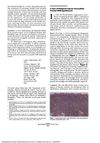
November 1996 in “Archives of Dermatology” A man's relapsed leprosy was successfully treated with the antibiotic sparfloxacin.
 August 2018 in “Journal of the American Academy of Dermatology”
 Tofacitinib is a potential alternative treatment for alopecia totalis, especially in patients with a shorter duration of the condition and more preserved hair follicles, but the overall response rate is low.
 1 citations
,
May 2024 in “Cureus”
1 citations
,
May 2024 in “Cureus” Combining oral isotretinoin and rifampicin effectively treats folliculitis decalvans.
3 citations
,
July 2024 in “Archives of Dermatological Research” Oral ritlecitinib and baricitinib are promising treatments for severe alopecia areata due to their balance of effectiveness and safety.
 January 2015 in “Journal of evolution of medical and dental sciences”
 Topical tacrolimus is effective and safe for treating alopecia areata.
 1 citations
,
April 2019 in “Acta Medica Philippina”
1 citations
,
April 2019 in “Acta Medica Philippina” Azathioprine may help treat severe alopecia areata, but more research is needed.
 January 2025 in “Transplantation”
 Stopping antifungal prophylaxis after 1 year may be safe for low-risk transplant patients.
Further trials are needed to explore the efficacy of triamcinolone acetonide in dermatology.