133 citations
,
July 2006 in “International Journal of Dermatology” The cream effectively and safely reduces facial hair in women.
 32 citations
,
November 1996 in “International Journal of Dermatology”
32 citations
,
November 1996 in “International Journal of Dermatology” Antiandrogens can help treat skin conditions like acne and excessive hair in women when used carefully.
2 citations
,
May 2024 in “International Journal of Medical Arts” Diphenylcyclopropenone (DPCP) is more effective than anthralin for treating resistant alopecia areata.
 September 2022 in “Journal of Ayub Medical College Abbottabad”
 Steroid injections are more effective than platelet rich plasma for treating patchy hair loss.
20 citations
,
July 2009 in “Experimental and Clinical Endocrinology & Diabetes” Cyclosporin A does not change sex hormone levels.
1 citations
,
May 2024 in “Journal of Pakistan Association of Dermatologists” Calcipotriol is better than tacrolimus for hair growth in alopecia areata.
May 2024 in “Journal of Pakistan Association of Dermatologists” Calcipotriol is better than tacrolimus for hair growth in alopecia areata.
24 citations
,
August 2009 in “Expert opinion on pharmacotherapy” The combination of calcipotriene and betamethasone is more effective and has fewer side effects for treating psoriasis.
February 2026 in “Cureus” Crisaborole may help regrow hair in children with alopecia areata.
 August 2018 in “Journal of Investigative Dermatology”
 Tofacitinib may help regrow hair in alopecia areata patients.
January 1980 in “Archives of Dermatology” "Telogen defluxion" is a better term for hair loss than "telogen effluvium."
 17 citations
,
April 1997 in “Archives of dermatology”
17 citations
,
April 1997 in “Archives of dermatology” The document describes a treatment for excessive hair growth in a teenage girl using medication and birth control, but does not report the results.
 32 citations
,
October 2003
32 citations
,
October 2003 Spironolactone is better than placebo for reducing excessive hair growth in women, but its effectiveness for acne is unclear due to small study sizes.
51 citations
,
August 2015 in “Cochrane library” Methotrexate is not proven to maintain remission in ulcerative colitis.
October 2025 in “Figshare” Deuruxolitinib effectively treats alopecia areata but may cause manageable side effects.
January 2011 in “Reactions Weekly”  5 citations
,
March 2016 in “Drug Development and Industrial Pharmacy”
5 citations
,
March 2016 in “Drug Development and Industrial Pharmacy” New drug delivery systems improve treatment effectiveness and patient experience.
January 2008 in “xPharm: The Comprehensive Pharmacology Reference”  March 2024 in “Clinical and experimental dermatology”
 Topical corticosteroids may be a safe and effective treatment for severe alopecia areata in children.
 8 citations
,
December 2008 in “Journal of The American Academy of Dermatology”
8 citations
,
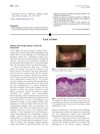
December 2008 in “Journal of The American Academy of Dermatology” Finasteride can cause a unique skin reaction on the penile shaft.
 May 2025 in “Journal of Inflammation Research”
 A combination of ixekizumab and tofacitinib successfully treated severe scalp cellulitis, leading to hair regrowth.
 8 citations
,
May 2025 in “Dermatology and Therapy”
8 citations
,
May 2025 in “Dermatology and Therapy” Local corticosteroids can help with alopecia areata, but hair loss often returns after stopping treatment.
39 citations
,
January 1977 in “Dermatology” The treatment cleared psoriasis in some patients but caused side effects in most.
 98 citations
,
January 2013 in “Journal of The American Academy of Dermatology”
98 citations
,
January 2013 in “Journal of The American Academy of Dermatology” Dutasteride may help stabilize Frontal Fibrosing Alopecia, but more research is needed.
 March 2005 in “Journal of The American Academy of Dermatology”
 Mycophenolate mofetil improved skin condition in a man with nephrogenic fibrosing dermopathy.
 3 citations
,
November 2020 in “Clinical, Cosmetic and Investigational Dermatology”
3 citations
,
November 2020 in “Clinical, Cosmetic and Investigational Dermatology” Early diagnosis and combination therapy, especially with finasteride and dutasteride, are key to managing Frontal Fibrosing Alopecia effectively.
 March 2024 in “EMBO molecular medicine”
 Antiviral drugs, especially daclatasvir, may be a new treatment for a rare skin disease, improving survival and reducing symptoms in mice.
December 2025 in “Saudi Journal of Medicine and Public Health” Pharmacists are key in choosing and guiding the safe use of topical corticosteroids for skin conditions.
 1 citations
,
April 2017 in “Journal of Investigative Dermatology”
1 citations
,
April 2017 in “Journal of Investigative Dermatology” Tofacitinib may slow hair loss in scarring alopecias but is unlikely to regrow significant hair.
1 citations
,
July 2025 in “Clinical and Experimental Dermatology” Deucravacitinib led to full hair regrowth in a severe alopecia areata patient.