October 2025 in “Coloration Technology” Delipidised wool is brighter, dyes better, and is more eco-friendly.
 21 citations
,
March 2017 in “Skin research and technology”
21 citations
,
March 2017 in “Skin research and technology” Removing external lipids from hair reduces moisture and increases strength, while removing internal lipids decreases water permeability.
3 citations
,
May 2009 in “International Journal of Cosmetic Science” Relaxer treatments damage African–American hair, with commercial products causing more harm than lab-made solutions.
September 2010 in “International Journal of Cosmetic Science” Chemical treatments change hair surface properties, making it more hydrophilic and able to bind conditioners.
 7 citations
,
March 2019 in “Journal of cosmetic dermatology”
7 citations
,
March 2019 in “Journal of cosmetic dermatology” African hair has the most lipids, while Caucasian hair is more hydrated and stronger.
NaOH treatment improves hair strength and suitability for textiles.

Keratin hydrogels from human hair show promise for tissue engineering and regenerative medicine.
 23 citations
,
January 2018 in “Elsevier eBooks”
23 citations
,
January 2018 in “Elsevier eBooks” Nanoemulsions improve stability and delivery of active ingredients in cosmetics for skin and hair care.
 23 citations
,
June 2017 in “Rejuvenation Research”
23 citations
,
June 2017 in “Rejuvenation Research” Minoxidil treatment increases aorta elasticity and reduces stiffness in aged mice, potentially helping with age-related heart issues.
 20 citations
,
June 2019 in “Experimental Dermatology”
20 citations
,
June 2019 in “Experimental Dermatology” The research suggests that autophagy-related genes might play a role in causing alopecia areata.
 19 citations
,
January 2000 in “Biological and Pharmaceutical Bulletin”
19 citations
,
January 2000 in “Biological and Pharmaceutical Bulletin” Diclofenac salt delivery through skin varies based on the salt's counterions.

Understanding hair surface properties is key for effective hair care products.
 1 citations
,
January 2020 in “bioRxiv (Cold Spring Harbor Laboratory)”
1 citations
,
January 2020 in “bioRxiv (Cold Spring Harbor Laboratory)” Dicer is crucial for hair growth in mice.
 1 citations
,
August 2000 in “Expert Opinion on Therapeutic Patents”
1 citations
,
August 2000 in “Expert Opinion on Therapeutic Patents” Boosting mitochondrial energy production with supplements like acetyl-L-carnitine may improve aging-related cellular function and health conditions.
 November 2025 in “Frontiers in Immunology”
 SQSTM1 gene issues may increase the risk of alopecia areata.
 January 2013 in “Sen'i Gakkaishi”
 Microfibrils are key for permanent waves, and hydrolyzed keratin improves wave formation and hair condition.
 39 citations
,
March 2009 in “Clinics in plastic surgery”
39 citations
,
March 2009 in “Clinics in plastic surgery” Injection lipolysis effectively reduces small fat deposits and should be done with care and proper patient selection.
15 citations
,
April 2023 in “Biology” Plant and algal lipid droplets are promising for natural oil production but need better extraction methods.
1 citations
,
January 2008 in “Massey Research Online (Massey University)” A successful enzyme depilation system needs a broad-spectrum protease that doesn't harm collagen VI.
1 citations
,
April 2016 in “Journal of lipid research” Lipin-1 is important for skin cell differentiation and skin barrier function.
21 citations
,
March 2018 in “American Journal Of Pathology” Mutations in NIPAL4 cause skin issues by disrupting lipid layers, but some improvement is seen with topical treatment.
7 citations
,
August 2007 in “Journal of Biotechnology” 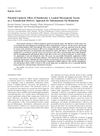 4 citations
,
November 2023 in “Biological and Pharmaceutical Bulletin”
4 citations
,
November 2023 in “Biological and Pharmaceutical Bulletin” The serum reduced thigh fat and improved skin firmness.
Cadd4 effectively reduces cholesterol levels without side effects.
October 2014 in “Microscopy” The method using ionic liquid improves observation of cell structures with less damage.

Not having the gene PLAAT3 leads to fat loss, high insulin resistance, and abnormal fat levels in the blood due to a disruption in fat cell development and function.
 July 2024 in “New Phytologist”
 PDF2 senses specific lipids and regulates root growth and gene expression in Arabidopsis.

L-PGDS has specific binding sites for its functions and could help in drug delivery system design.
 2 citations
,
October 2023 in “Philosophical transactions - Royal Society. Biological sciences”
2 citations
,
October 2023 in “Philosophical transactions - Royal Society. Biological sciences” Enzymes that change arginine to citrulline are important for skin barrier and hair formation, and their malfunction can lead to skin conditions and hair disorders.
 17 citations
,
July 2019 in “Scientific reports”
17 citations
,
July 2019 in “Scientific reports” Surface and internal treatments can help prevent hair lipid loss during washing.