14 citations
,
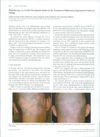
August 2014 in “Journal of the American Academy of Dermatology” Diphenylcyclopropenone (DPCP) is effective in treating alopecia areata, with most patients showing significant hair regrowth.
A new method allows for controlled, long-lasting delivery of retinoic acid through the skin with less inflammation.
2 citations
,
January 2010 in “Side effects of drugs annual” Dermatological drugs and cosmetics can cause serious side effects like cancer, allergies, and heart issues.
 1 citations
,
April 1987 in “American Journal of Nursing”
1 citations
,
April 1987 in “American Journal of Nursing” Some drugs can cause serious side effects, like hypoglycemia from mix-ups, skin reactions, or depression, and while penicillamine may help rheumatoid arthritis more than auranofin, it has more severe side effects.
 21 citations
,
January 2015 in “Dermatologic Therapy”
21 citations
,
January 2015 in “Dermatologic Therapy” Latanoprost may cause scalp inflammation and delayed healing.
52 citations
,
February 2009 in “Journal of the American Academy of Dermatology” A 93-year-old woman developed a rare scalp condition after therapy, which improved with steroids, not antibiotics.
October 2018 in “Annals of Reviews & Research” The new gel provides faster and longer-lasting pain relief than the cream.
20 citations
,
May 2007 in “JDDG Journal der Deutschen Dermatologischen Gesellschaft” Etanercept effectively treated a severe skin condition when other treatments failed.
3 citations
,
June 2025 in “Gyemyeong uidae haksulji” PDRN is effective and safe for healing wounds and skin issues.
May 2026 in “European Cells and Materials” The new delivery system improves Alzheimer's symptoms by releasing Huperzine A slowly and effectively.
 February 2026 in “Frontiers in Immunology”
 Tralokinumab for atopic dermatitis may cause eye issues and skin reactions, needing careful monitoring.
 January 2025 in “International Journal of Trichology”
 Combining DPCP with PRP doesn't improve hair regrowth in alopecia areata.
January 2018 in “Investigative Ophthalmology & Visual Science”  January 2026 in “Frontiers in Medicine”
 PP-PTKL may help treat hair greying, but more testing is needed.
13 citations
,
April 2024 in “JAAD Case Reports” Deucravacitinib may effectively treat discoid lupus erythematosus.
 31 citations
,
July 2017 in “Journal of the American Academy of Dermatology”
31 citations
,
July 2017 in “Journal of the American Academy of Dermatology” Apremilast improved symptoms in patients with severe skin conditions.
1 citations
,
June 1999 in “American Journal of Contact Dermatitis” Tazarotene gel is more effective for acne than tretinoin and works as well as adapalene.
 20 citations
,
January 2000 in “Dermatologic Clinics”
20 citations
,
January 2000 in “Dermatologic Clinics” New psoriasis treatments are effective but come with side effects and risks.
2 citations
,
January 2018 in “Biomolecules & therapeutics” Polyamidoamine dendrimers can change the strength and direction of electroosmotic flow through the skin, affecting drug delivery.
 10 citations
,
January 2010 in “Acta dermato-venereologica”
10 citations
,
January 2010 in “Acta dermato-venereologica” Light therapy can effectively treat vitiligo and hair loss caused by a specific medication.
October 2024 in “International Journal of Pharmaceutics” The finasteride patch effectively treats hair loss by enhancing skin absorption.
 August 2023 in “MPPKI (Media Publikasi Promosi Kesehatan Indonesia) : The Indonesia journal of health promotion”
 The document's conclusion cannot be provided because the document is not available or cannot be parsed.
 August 2024 in “New Zealand Medical Student Journal”
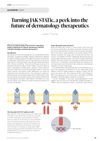
 JAK inhibitors show promise for treating skin diseases effectively and safely.
June 2024 in “Poster presentations” Janus Kinase inhibitors effectively induce remission in Ulcerative Colitis with an acceptable safety profile.
31 citations
,
September 2019 in “Acta Pharmacologica Sinica” April 2026 in “Clinical and Experimental Dermatology” Dupilumab effectively reduces symptoms of prurigo nodularis and is safe for long-term use.
277 citations
,
December 2019 in “Frontiers in Immunology” JAK inhibitors show promise for treating skin disorders like alopecia, eczema, and psoriasis.

The document corrects a mistake by stating that pimecrolimus, not tacrolimus, is the drug that concentrates in the skin.
1 citations
,
October 2019 in “Epileptic disorders” A girl with Pitt-Hopkins syndrome developed curly hair as a rare side effect from the epilepsy drug perampanel.
 8 citations
,
September 2004 in “Contact dermatitis”
8 citations
,
September 2004 in “Contact dermatitis” Avoiding dyed wigs and clothing improved severe allergic reactions in a woman treated with diphencyprone.