September 2017 in “Journal of Investigative Dermatology” RCS-01 is safe and may help rejuvenate aging skin.
42 citations
,
August 2016 in “Nanomedicine” The new adapalene formulation using TyroSpheres is more effective and less irritating for acne treatment.
 2 citations
,
November 2014
2 citations
,
November 2014 Common cosmetic dermatology techniques improve skin damaged by the sun and aging.
 April 2023 in “Journal of Investigative Dermatology”
 The study created special nanoparticles that effectively deliver an anti-inflammatory drug to treat skin inflammation in psoriasis.
 13 citations
,
February 2020 in “Journal of the American Academy of Dermatology”
13 citations
,
February 2020 in “Journal of the American Academy of Dermatology” Microneedling and oral tranexamic acid both improve facial melasma, but microneedling shows more sustained benefits.
 1 citations
,
August 2021 in “Consilium Medicum”
1 citations
,
August 2021 in “Consilium Medicum” Selencin effectively reduces hair loss and improves hair health in diffuse alopecia.
 June 2024 in “Georgetown Scientific Research Journal”
 Bleomycin injections in mice cause skin thickening and hair loss.
July 2024 in “Journal of Investigative Dermatology” August 2024 in “Postgraduate Medical Journal” A rare skin reaction from cancer treatment was successfully managed with topical treatments and antihistamines.
10 citations
,
August 2023 in “The EMBO Journal” Kdm6b is crucial for skin cell differentiation.
 October 2023 in “European journal of dermatology/EJD. European journal of dermatology”
 Injectable platelet-rich fibrin can safely and effectively treat melasma.
22 citations
,
May 2007 in “Molecular Biotechnology”  2 citations
,
November 2017 in “PloS one”
2 citations
,
November 2017 in “PloS one” Some vitamin D analogs can thicken skin and reduce pore size like a common acne treatment, with one analog also affecting skin growth factors.
23 citations
,
May 2013 in “Facial Plastic Surgery Clinics of North America” Autologous cell therapy can reduce facial wrinkles effectively.
 13 citations
,
July 2014 in “The Journal of Dermatology”
13 citations
,
July 2014 in “The Journal of Dermatology” Dermoscopy helped diagnose discoid lupus erythematosus in two patients without needing skin biopsies.
 May 2026 in “Frontiers in Medicine”
 The Shumin device with doxycycline is more effective for rosacea than red light therapy.
June 2005 in “Journal of Investigative Dermatology” A bull with a gene mutation was asymptomatic, synthetic retinoids cause hair loss, and new therapeutic targets were identified for skin diseases.
7 citations
,
March 2023 in “JEADV. Journal of the European Academy of Dermatology and Venereology/Journal of the European Academy of Dermatology and Venereology” 1 citations
,
August 2024 in “Cosmetics” Melasma treatment is difficult, but combination therapies and personalized plans show promise.
11 citations
,
June 2021 in “Preprints.org” Melatonin may help with atopic dermatitis by reducing inflammation and improving sleep.
January 2009 in “Journal of Zhengzhou University” LAIC cream can improve acne by making skin thinner and softer.
 9 citations
,
July 2010 in “British Journal of Dermatology”
9 citations
,
July 2010 in “British Journal of Dermatology” The document suggests a rare skin condition might be caused by a genetic phenomenon.
 2 citations
,
August 1994 in “Archives of dermatology”
2 citations
,
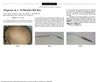
August 1994 in “Archives of dermatology” A 19-month-old boy with a rare hair disorder showed mild improvement with treatment, but his family chose gentle hair care due to limited success.
12 citations
,
May 2016 in “Experimental Dermatology” A new skin model from hair follicles is a safer, simpler alternative for skin tests.
20 citations
,
December 2006 in “Archives of dermatology” January 2018 in “Refubium (Universitätsbibliothek der Freien Universität Berlin)” Polymeric nanoparticles effectively control corticosteroid release and penetration for skin applications.
10 citations
,
October 2018 in “JDDG Journal der Deutschen Dermatologischen Gesellschaft” Most skin conditions in Down syndrome are benign and involve dry or thickened skin.
 1 citations
,
March 2004 in “Journal of the American Academy of Dermatology”
1 citations
,
March 2004 in “Journal of the American Academy of Dermatology” ZD1839, a cancer drug, can cause mild skin rashes that are treatable without stopping the medication.
January 2022 in “Indian dermatology online journal” A baby with a skin condition improved with treatment but developed a rare form of the condition affecting only his trunk.
 21 citations
,
January 2005 in “Pediatric Dermatology”
21 citations
,
January 2005 in “Pediatric Dermatology” An 8-year-old girl with vitiligo developed extra hair growth on her knee after using tacrolimus ointment.