 July 2007 in “Journal of Generic Medicines”
 The UK High Court revoked Lundbeck's patent for Escitalopram, and second medical use claims based on dosage were not considered novel.
 9 citations
,
November 2018 in “Acta Clinica Belgica”
9 citations
,
November 2018 in “Acta Clinica Belgica” Don't combine abiraterone and spironolactone for prostate cancer treatment as it may worsen the disease.
![The Synthesis of (−)-4-Methyl-8-Chloro-Trans-1,2,3,4,4a,5,6,10b-Octahydrobenzo-[f]-Quinolin-3-One-[3-14C] (LY300502-14C) via a Circuitous Route](/images/assets/73bab8dc-bdf0-45e3-8ef7-73d0d4b93cb1/small/21074.jpg) 3 citations
,
October 1994 in “Journal of Labelled Compounds and Radiopharmaceuticals”
3 citations
,
October 1994 in “Journal of Labelled Compounds and Radiopharmaceuticals” Scientists made a carbon-14 labeled version of a drug with a 48% yield and over 99% purity.
5 citations
,
May 2017 in “Journal of dermatological science” The combined treatment effectively managed severe skin issues in Olmsted syndrome.
November 2025 in “SKIN The Journal of Cutaneous Medicine” Ritlecitinib is effective long-term for treating alopecia areata in teens.
1 citations
,
October 2025 in “International Journal of Dermatology” Ritlecitinib improves emotional well-being and activity levels in alopecia areata patients.
February 2026 in “Toxicology Letters” MK-0773 is a moderate inhibitor of the SRD5A2 enzyme.
 December 2023 in “Biointerface Research in Applied Chemistry”
 Stiripentol shows promise as a potential treatment for androgen-related diseases but needs more testing.
4 citations
,
March 2025 in “The Journal of Dermatology” Ritlecitinib is effective and safe for hair regrowth in Asian patients with alopecia areata.
 February 2013 in “Journal of The American Academy of Dermatology”
 Using hair loss drugs finasteride and dutasteride may cause sexual side effects.
4 citations
,
July 2022 in “Clinical Cosmetic and Investigational Dermatology” Clascoterone 1% cream is a promising new treatment for acne.
 January 2025 in “International Journal of Veterinary Sciences and Animal Husbandry”
 Sarolaner effectively treats generalized demodicosis in dogs without side effects.
39 citations
,
January 1977 in “Dermatology” The treatment cleared psoriasis in some patients but caused side effects in most.
1 citations
,
January 2025 in “CPT Pharmacometrics & Systems Pharmacology” Ritlecitinib effectively regrows eyebrow and eyelash hair in alopecia areata, with 50 mg being the best dose.
 March 2005 in “Journal of the American Academy of Dermatology”
 Bexarotene 1% topical gel helped some patients with alopecia areata regrow hair.
September 2023 in “Journal of the American Academy of Dermatology” CTP-543 is generally safe for treating alopecia areata.
111 citations
,
June 2015 in “Age and Ageing” Dutasteride, fesoterodine, and finasteride are beneficial for older patients, while most other drugs should be used cautiously or avoided.
 53 citations
,
June 1993 in “Proceedings of the National Academy of Sciences of the United States of America”
53 citations
,
June 1993 in “Proceedings of the National Academy of Sciences of the United States of America” LY191704 is a compound that effectively blocks a specific enzyme involved in hormone conversion and could help treat enlarged prostate and hair loss.
 September 2024 in “Archives of Dermatological Research”
 Both treatment combinations improved hair growth similarly and were safe.
2 citations
,
June 2024 in “Dermatology” Ritlecitinib improves hair regrowth satisfaction in alopecia areata patients.
September 2004 in “Inpharma Weekly”  72 citations
,
January 2011 in “Current Pharmaceutical Design”
72 citations
,
January 2011 in “Current Pharmaceutical Design” S5αR inhibitors might help treat schizophrenia and other mental disorders but need more research.
May 2025 in “Dermatology Online Journal” Erlotinib can cause excessive eyelash growth.
48 citations
,
July 2023 in “Pediatric Dermatology” Ritlecitinib effectively regrows hair in adolescents with alopecia areata and is safe.
January 1994 in “Toxicological Sciences” Lower dosages of 2-(difluoromethyl)-dl-ornithine might reduce side effects, supporting further research.
 3 citations
,
February 2021 in “The Journal of Urology”
3 citations
,
February 2021 in “The Journal of Urology” Dutasteride can reduce night-time urination but it doesn't improve sleep quality.
 9 citations
,
June 2020 in “Actas Dermo-Sifiliográficas”
9 citations
,
June 2020 in “Actas Dermo-Sifiliográficas” Spironolactone is effective for acne, hidradenitis suppurativa, female hair loss, and hirsutism but is underused in dermatology.
November 2025 in “SKIN The Journal of Cutaneous Medicine” Ritlecitinib is generally safe for adolescents with alopecia areata over 5 years.
3 citations
,
March 2024 in “Journal of the American Academy of Dermatology” Low-dose naltrexone helps improve symptoms and stabilize frontal fibrosing alopecia and lichen planopilaris.
 July 2025 in “SKIN The Journal of Cutaneous Medicine”
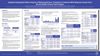
 Ritlecitinib is generally safe for alopecia areata patients over 72 months.