3 citations
,
January 2011 in “International journal of trichology” Low DHEA-S levels might be linked to alopecia areata and could be a potential treatment target.
September 2018 in “PubMed” New strategies like vitamin A and dextromethorphan can help reduce methotrexate side effects and improve patient adherence.
November 2020 in “Universal Journal of Pharmaceutical Research” Tacrolimus is a better option than cyclosporine due to fewer side effects.
Low-dose glucocorticoid treatment improves pregnancy and birth rates in women with nonclassical 21-hydroxylase deficiency.
 November 2024 in “Frontiers in Endocrinology”
 Hair analysis can help diagnose adrenal disorders non-invasively.
June 2008 in “Experimental Dermatology” 17-beta estradiol and prednisolone may help regrow hair damaged by chemotherapy.
22 citations
,
May 2017 in “Journal of dermatological treatment” BD 1/4 dilution is the best for treating localized alopecia areata in adults.
1 citations
,
January 1997 in “The American Journal of the Medical Sciences”  August 2025 in “Annals of Medicine”
 Mycophenolate mofetil may safely help restore skin color in depigmentation conditions.
 14 citations
,
October 1977 in “The Lancet”
14 citations
,
October 1977 in “The Lancet” 
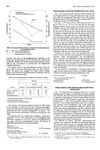
Blocking 11β-HSD1 reduces stress hormone damage in hair growth cells.
7 citations
,
April 1992 in “Journal of steroid biochemistry and molecular biology/The Journal of steroid biochemistry and molecular biology” Women with non-classical congenital adrenal hyperplasia have higher levels of certain steroids, which can be reduced by treatment.
12 citations
,
March 2000 in “Clinical Chemistry” Chronic DHEA supplementation slightly increases testosterone in hair but stays within safe limits.
 January 2026 in “International Journal of Applied Pharmaceutics”
 The method accurately measures Minoxidil in drugs and is reliable for routine use.
1 citations
,
February 2024 in “Gynecological Endocrinology” Medroxyprogesterone acetate is as effective as oral contraceptives for resuming ovulation in women with PCOS.
New steroid derivatives show promise as anticancer agents, even against resistant cells.
 May 2025 in “Journal of the Egyptian Womenʼs Dermatologic Society”
 Vitamin D3 is a safe and effective alternative to steroids for treating alopecia areata, with fewer side effects.
January 2009 in “Yearbook of Endocrinology” DHEA therapy improves pubic hair growth and psychological well-being in young females with central adrenal insufficiency.
Higher DHEA-S levels are linked to smaller ovarian volume in women with PCOS.
 August 2025 in “Zanco Journal of Medical Sciences”
 Both steroid and vitamin D3 treatments are safe and effective for patchy alopecia areata, with steroids showing slightly better results.
 21 citations
,
August 1960 in “British journal of dermatology/British journal of dermatology, Supplement”
21 citations
,
August 1960 in “British journal of dermatology/British journal of dermatology, Supplement” Endoxan often causes hair loss, which usually starts in the third week of treatment.
31 citations
,
January 2001 in “PubMed” May 2024 in “Reactions weekly” April 2019 in “Journal of the Endocrine Society” Glucocorticoid treatment lowered androgen levels but didn't improve hirsutism or ovulation and caused weight gain.
January 2018 in “Refubium (Universitätsbibliothek der Freien Universität Berlin)” Polymeric nanoparticles effectively control corticosteroid release and penetration for skin applications.
September 2022 in “Journal of Sulaimani Medical College” The combination treatment showed some improvement but wasn't significantly better than using betamethasone valerate alone.
18 citations
,
April 2011 in “Neuropharmacology” 11β-Hydroxylase inhibitors help prevent seizures in mice by boosting natural neurosteroid production.
 1 citations
,
December 2020 in “Dermatology Archives”
1 citations
,
December 2020 in “Dermatology Archives” Systemic steroids temporarily improve severe alopecia areata in children but often lead to relapse.
 7 citations
,
March 2013 in “Tetrahedron Letters”
7 citations
,
March 2013 in “Tetrahedron Letters” New method makes important drug ingredients more easily without needing extra purification steps.
 1 citations
,
November 2022 in “Journal of the Endocrine Society”
1 citations
,
November 2022 in “Journal of the Endocrine Society” Adults with classic congenital adrenal hyperplasia value medication that prevents weight gain from glucocorticoids the most.