14 citations
,
September 2017 in “Proteomics. Clinical applications” Hair protein analysis could improve medical testing and understanding of hair characteristics.
32 citations
,
July 2017 in “Molecular diagnosis & therapy” MicroRNA-21 could help diagnose and treat skin fibrosis.

Microbial imbalances on the scalp can help diagnose and manage hair loss early.
2 citations
,
May 2023 in “International Journal of Molecular Sciences” Gene expression in hair follicles can help diagnose methamphetamine use disorder.
 207 citations
,
April 2006 in “Journal of The American Academy of Dermatology”
207 citations
,
April 2006 in “Journal of The American Academy of Dermatology” Iron deficiency may be related to hair loss, but there's not enough evidence to recommend iron screening or supplements for all hair loss patients.
4 citations
,
August 2024 in “Non-coding RNA Research” October 2021 in “Experimental Dermatology” Certain genes and proteins may help diagnose and treat primary cicatricial alopecia.
13 citations
,
July 2020 in “Anais brasileiros de dermatologia/Anais Brasileiros de Dermatologia” Trichoscopy can help diagnose and monitor the progression of dissecting cellulitis.
June 2026 in “Archives of Dermatological Research” The rs4541843 variant is linked to higher risk and severity of alopecia areata.
9 citations
,
July 2024 in “JAAD reviews.” Extracellular vesicles show potential in dermatology, but more research is needed for validation.
 December 2025 in “Frontiers in Medicine”
 ARWH is a rare hair disorder with no cure, but potential treatments include minoxidil and other therapies.
 June 2023 in “JEADV. Journal of the European Academy of Dermatology and Venereology/Journal of the European Academy of Dermatology and Venereology”
 New technologies show potential for better understanding and treating skin conditions with abnormal mucin, but more research is needed for clinical use.
5 citations
,
August 2024 in “Skin Research and Technology” KLB and EIF3C genes are key for early diagnosis of vitiligo and alopecia areata.
 2 citations
,
January 2012 in “Journal of metabolic syndrome”
2 citations
,
January 2012 in “Journal of metabolic syndrome” The document concludes that hirsutism can be managed with various treatments tailored to the individual, potentially improving quality of life.
 3 citations
,
July 2011 in “Expert Review of Dermatology”
3 citations
,
July 2011 in “Expert Review of Dermatology” Effective treatments for excessive hair growth in women include creams, laser therapy, and medications, with the choice depending on individual needs and potential side effects.
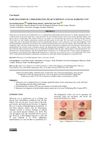 March 2022 in “Folia Medica Indonesiana”
 The lump on a woman's scalp was a rare, potentially cancerous tumor from the hair follicle, not a common cyst.
January 2026 in “Pharmaceutics” Extracellular vesicles can worsen Alzheimer's but also offer potential for diagnosis and treatment.
 September 2023 in “Forum Dermatologicum”
 Various treatments for common hair loss in men and women are effective, but should be tailored to individual needs and potential side effects.
8 citations
,
March 2023 in “International Wound Journal” IGF2BP3 and other m6A-related genes are linked to keloid formation and could be potential treatment targets.
 September 2017 in “Journal of Investigative Dermatology”
 Certain miRNAs might be involved in a hair loss condition called frontal fibrosing alopecia and could possibly help in its diagnosis.
 April 2024 in “Dermatovenerologiâ, kosmetologiâ”
 Actinic keratosis is a sun-induced skin condition that can potentially turn into skin cancer and requires various treatments to prevent this.
 April 2024 in “Dermatovenerologiâ, kosmetologiâ”
 Actinic keratosis is a sun-induced skin condition that can potentially turn into skin cancer and requires treatment to prevent malignancy.
 January 2023 in “Research Square (Research Square)”
 IGF2BP3 gene is up-regulated in keloid patients, suggesting potential targets for treatment.
December 2025 in “Cosmetics” Gut bacteria differences could help diagnose and treat alopecia areata.
 11 citations
,
May 2023 in “Journal of Cancer Research and Clinical Oncology”
11 citations
,
May 2023 in “Journal of Cancer Research and Clinical Oncology” CRISPR/Cas systems show promise for cancer treatment by targeting miRNAs, but delivery and specificity challenges remain.
 8 citations
,
January 2013 in “The scientific world journal/TheScientificWorldjournal”
8 citations
,
January 2013 in “The scientific world journal/TheScientificWorldjournal” Human hair follicles may provide a noninvasive way to diagnose diseases and have potential in regenerative medicine.
 January 2022 in “Research Square (Research Square)”
 Serum AMH levels are a strong marker for diagnosing PCOS in Indian women.
 6 citations
,
January 2013 in “Journal of Clinical and Diagnostic Research”
6 citations
,
January 2013 in “Journal of Clinical and Diagnostic Research” AMH levels are higher in women with PCOS and can indicate the number of small follicles in their ovaries.
May 2026 in “Frontiers in Immunology” Extracellular vesicles can both worsen and potentially treat atopic dermatitis.
July 2025 in “Preprints.org” Specific miRNA profiles can help diagnose and treat alopecia areata.