 3 citations
,
July 2017 in “International journal of medicine”
3 citations
,
July 2017 in “International journal of medicine” Intralesional triamcinolone acetonide effectively treats alopecia areata, as shown by significant improvements in hair regrowth and dermoscopic indicators.
 1 citations
,
April 2019 in “Acta Medica Philippina”
1 citations
,
April 2019 in “Acta Medica Philippina” Azathioprine may help treat severe alopecia areata, but more research is needed.
 1 citations
,
May 2010 in “Nursing Standard”
1 citations
,
May 2010 in “Nursing Standard” Treatments for autoimmune hair loss have limited success and patients need emotional support and self-acceptance.
 1 citations
,
January 2001 in “American Journal of Kidney Diseases”
1 citations
,
January 2001 in “American Journal of Kidney Diseases” Hair loss in three Southeast Asian women with kidney failure may be linked to their anemia treatment with erythropoietin.
 July 2026 in “Frontiers in Medicine”
 A new treatment plan for alopecia areata considers disease severity, quality of life, and progression to offer personalized care.
 April 2026 in “International Journal of Current Pharmaceutical Review and Research”
 Growth Factor Concentrate is more effective than Platelet-Rich Plasma for improving hair density and thickness.
 February 2026 in “Cureus”
 Trichoscopy helps correctly diagnose alopecia areata, not syphilitic alopecia, in patients with recent syphilis.
 January 2026 in “Dermatology Practical & Conceptual”
 Children with alopecia areata often have vitiligo, allergic asthma, ADHD, and low vitamin B12 and ferritin levels.
 December 2025 in “Clinical Cosmetic and Investigational Dermatology”
 Early diagnosis and multidisciplinary care, including orthopedic surgery, can prevent long-term disability in IFAP syndrome.
 November 2025 in “Clinical Cosmetic and Investigational Dermatology”
 Immune cells and plasma proteins are linked to hair loss, suggesting new treatment options.
 September 2025 in “Journal of Dermatology Research Reviews & Reports”
 Rigenera® effectively improves hair condition in Androgenetic Alopecia, and HairMetrix® tracks progress well.
 September 2024 in “African Journal of Biomedical Research”
 Alopecia areata patients have lower vitamin D and slightly lower copper levels, so these should be checked.
 May 2024 in “International journal of research in dermatology”
 Low vitamin D levels are linked to increased risk of male pattern baldness.
 January 2024 in “Frontiers in endocrinology”
 The study suggests that hypothyroidism may cause alopecia areata.
 January 2024 in “International Journal of Homoeopathic Sciences”
 Homeopathic treatment might help manage alopecia areata.
 July 2021 in “International journal of dermatology, venereology and leprosy sciences”
 Diphenylcyclopropenone is more effective and has fewer side effects than dinitrochlorobenzene for treating alopecia areata.
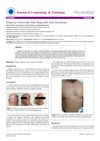 January 2017 in “Journal of cosmetology & trichology”
 A man with severe hair loss regrew hair after hormone treatment.
 September 1997 in “Journal of The European Academy of Dermatology and Venereology”
 New treatment improves male hair loss.
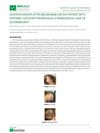
Belimumab may cause hair loss in lupus patients.
 34 citations
,
April 2009 in “Expert Opinion on Pharmacotherapy”
34 citations
,
April 2009 in “Expert Opinion on Pharmacotherapy” Some treatments work for common baldness, but there's less evidence for other hair loss types, and more research is needed.
 30 citations
,
March 2015 in “Journal of Dermatology”
30 citations
,
March 2015 in “Journal of Dermatology” Hair thickness differences help diagnose hair loss severity.
 22 citations
,
June 2013 in “Australasian Journal of Dermatology”
22 citations
,
June 2013 in “Australasian Journal of Dermatology” Early stage bald spots are linked to skin inflammation and damage to the upper part of the hair follicle.
 21 citations
,
February 2012 in “Journal of the European Academy of Dermatology and Venereology”
21 citations
,
February 2012 in “Journal of the European Academy of Dermatology and Venereology” Late-onset alopecia areata in Taiwanese patients is more common in women, usually starts at age 57, often involves less than 10% hair loss, and may have a minimal link to thyroid issues.
 12 citations
,
May 1995 in “Australasian Journal of Dermatology”
12 citations
,
May 1995 in “Australasian Journal of Dermatology” Hair loss in women can be slowed with treatment, but more research needed for better solutions.
 11 citations
,
November 2021 in “BMJ Open”
11 citations
,
November 2021 in “BMJ Open” People with alopecia areata have higher rates of mental health issues, autoimmune diseases, and infections.
 3 citations
,
November 2020 in “Clinical, Cosmetic and Investigational Dermatology”
3 citations
,
November 2020 in “Clinical, Cosmetic and Investigational Dermatology” Early diagnosis and combination therapy, especially with finasteride and dutasteride, are key to managing Frontal Fibrosing Alopecia effectively.
 2 citations
,
January 2019 in “Skin appendage disorders”
2 citations
,
January 2019 in “Skin appendage disorders” Higher social status is linked to earlier diagnosis and better treatment results for Frontal Fibrosing Alopecia in women.
 1 citations
,
January 2010
1 citations
,
January 2010 Mesotherapy is more effective than topical spray for female hair loss treatment.
 January 2026 in “Frontiers in Medicine”
 FFA and FAPD might be related or stages of the same disease.
Oral tofacitinib effectively treats alopecia areata long-term with manageable side effects.