 17 citations
,
January 1996 in “Aesthetic Plastic Surgery”
17 citations
,
January 1996 in “Aesthetic Plastic Surgery” The tumescent technique improves hair micrografting by providing lasting anesthesia, reducing bleeding, and increasing patient comfort.
9 citations
,
October 2012 Tumescent local anesthesia is a safe, cost-effective method for outpatient liposuction.
 4 citations
,
March 2002 in “Hair transplant forum international”
4 citations
,
March 2002 in “Hair transplant forum international” Using tumescent anesthesia in hair restoration surgery is safe and effective for long-lasting scalp numbness and reducing bleeding.
3 citations
,
December 2004 in “PubMed” A fungal infection caused skin lesions in farmed mink kits, but they remained healthy.
 1 citations
,
April 1998 in “Dermatologic Clinics”
1 citations
,
April 1998 in “Dermatologic Clinics” Surgical skin treatments improved with new methods like laser resurfacing, combined techniques, and better hair and fat removal options.
 14 citations
,
March 2020 in “Scientific Reports”
14 citations
,
March 2020 in “Scientific Reports” Using dual-frequency ultrasound with microbubbles can potentially improve the delivery of hair growth treatment through the skin and enhance hair growth.
 1 citations
,
July 2018 in “Journal of dermatology & cosmetology”
1 citations
,
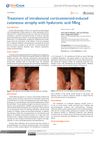
July 2018 in “Journal of dermatology & cosmetology” Hyaluronic acid successfully treated skin atrophy caused by corticosteroid injections.
1 citations
,
April 1986 in “The Journal of Dermatology” Plant worm extract speeds up hair growth in mice without side effects.
 May 2026 in “Zenodo (CERN European Organization for Nuclear Research)”
 Targeting hair follicle stem cell and lymphatic vessel signaling may help treat hair loss and improve wound healing.
 May 2026 in “Zenodo (CERN European Organization for Nuclear Research)”
 Targeting hair follicle stem cell and lymphatic vessel signaling may help treat hair loss and improve wound healing.
 January 2024 in “Scientific reports”
 Egyptian Mint effectively kills mosquito larvae and inhibits certain bacteria.
 December 2023 in “Medicine and Materials”
 Essential oils are increasingly used in cosmetics for their natural benefits but must be used carefully to avoid skin reactions.
 June 2022 in “Farmacevtičnij časopis”
 The conclusion is that the technology for making "Biosedum plus" gel, which treats radiation skin damage, is validated.
 May 2018 in “European Journal of Dermatology”
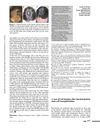
 Adjusting the medication tacrolimus resolved a boy's red nail beds after a stem cell transplant.
July 2007 in “International Journal of Cosmetic Science” The new polymer improves dyed hair's color, moisture, shine, and smoothness.
October 1933 in “Experimental Biology and Medicine” Epinephrine injections can cause severe skin reactions like hair loss and necrosis.
 August 2019 in “Journal of The American Academy of Dermatology”
 Bleach baths with 0.005% hypochlorite help manage atopic dermatitis by affecting skin cells and reducing itchiness.
31 citations
,
June 2010 in “Journal of dermatology” Hair bleaching causes significant damage to hair and skin.
29 citations
,
December 1998 in “European Respiratory Journal” Hair bleach can make rabbit airways more sensitive.
2 citations
,
January 2017 in “Journal of veterinary emergency and critical care” A dog's facial chemical burn healed in 84 days with conservative treatment.
1 citations
,
January 1988 Cosmetic treatments after chlorination damage hair more than treatments before.
2 citations
,
June 2018 in “Cosmetics” AMPD is a better and less damaging alternative to ammonium hydroxide for hair bleaching.
3 citations
,
September 2021 in “Data in brief” Bleaching hair changes its structure and weakens it, which is important for understanding hair damage and creating treatments.
Bleaching hair twice makes it very dry and weak.
18 citations
,
July 2015 in “Journal of cosmetic dermatology” Straightening and coloring hair, especially with sodium hydroxide, greatly increases protein loss.
July 2023 in “European Journal of Medical and Health Research” Using bond-protecting additives with low-volume oxidants can safely lighten fine hair with less damage.

Hair coloring and bleaching can permanently break down hair protein and temporarily change its properties.
 August 2024 in “Cosmetics”
 K18® and Olaplex® both effectively repair bleached hair, improving its strength, smoothness, and overall health.
 May 2026 in “Brazilian Journal of Hair Health”
 Bleaching damages hair the most, while dyes improve combability but still cause protein loss.
 June 2017 in “University of the Arts London Research Online (University of the Arts London)”
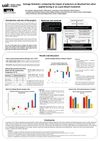
 Polymers help reduce damage and improve bleached hair when used during or after bleaching.