April 2024 in “Biosaintifika Journal of Biology & Biology Education” A gel from stem cells can reduce baldness caused by fluconazole in rats.
6 citations
,
January 2015 in “Journal of clinical & experimental dermatology research” The combination therapy may be more effective for mild alopecia areata, especially in patients with allergies.
January 2023 in “Toxicological Research”  August 2025 in “Indian Dermatology Online Journal”
 Both treatments work equally well for hair regrowth, but the lotion has fewer side effects.
Low-level laser therapy reduces symptoms and inflammation in frontal fibrosing alopecia.
 1 citations
,
November 2023 in “BMC chemistry”
1 citations
,
November 2023 in “BMC chemistry” Tadalafil and Finasteride may help treat aggressive melanoma.
7 citations
,
October 2008 in “Arthritis Care & Research” Aggressive immunosuppressive treatment improved a woman's severe heart condition linked to autoimmune disease.
 4 citations
,
January 2020 in “Skin appendage disorders”
4 citations
,
January 2020 in “Skin appendage disorders” A woman with an unusual pattern of hair loss was confirmed to have Frontal Fibrosing Alopecia and treated with specific medications.
1 citations
,
January 2024 in “Arab Board Medical Journal” Tofacitinib effectively regrows hair in alopecia areata patients, especially in younger individuals, with manageable side effects.
 1 citations
,
April 2018 in “Journal of Investigative Dermatology”
1 citations
,
April 2018 in “Journal of Investigative Dermatology” Tofacitinib helped most patients with alopecia areata regrow hair and changes in immune cells were linked to the treatment's effectiveness.
5 citations
,
May 2018 in “European journal of pharmacology” Fesoterodine is effective and safe for elderly patients with overactive bladder.
 6 citations
,
February 2016 in “Journal of Microencapsulation”
6 citations
,
February 2016 in “Journal of Microencapsulation” Improved finasteride formula allows slow, sustained release and better absorption for patients.
14 citations
,
July 2015 in “International Journal of Molecular Sciences” S-Methylmethionine sulfonium can protect skin from UVB damage.
 6 citations
,
January 2019 in “Medical Hypotheses”
6 citations
,
January 2019 in “Medical Hypotheses” Frontal Fibrosing Alopecia might be an autoimmune disease.
 8 citations
,
June 2022 in “Frontiers in Medicine”
8 citations
,
June 2022 in “Frontiers in Medicine” Both individual and combined treatments of tofacitinib and corticosteroids can help regrow hair in moderate-to-severe alopecia areata, but ongoing treatment may be necessary.
July 2025 in “Journal of Investigative Dermatology” IL-17 inhibitors are more effective than methotrexate in preventing psoriatic arthritis in psoriasis patients.
6 citations
,
October 2001 in “British Journal of Ophthalmology” Intralesional cidofovir may be a viable treatment for conjunctival lesions in Melkersson-Rosenthal syndrome without systemic toxicity.
 2 citations
,
January 2023 in “Curēus”
2 citations
,
January 2023 in “Curēus” Low-dose naltrexone may help reduce redness in certain scalp conditions.
19 citations
,
November 1979 in “Archives of dermatology” Tretinoin may be effective for treating Fox-Fordyce disease.
 January 2025 in “Journal of Food Biochemistry”
 2′‐Fucosyllactose reduces hair loss and promotes hair growth in mice.
 54 citations
,
September 2019 in “Journal of the European Academy of Dermatology and Venereology”
54 citations
,
September 2019 in “Journal of the European Academy of Dermatology and Venereology” Tofacitinib is somewhat effective for alopecia areata, but more research is needed on its safety and long-term effects.
November 2025 in “Journal of Dermatological Treatment” Dexamethasone oral mini-pulse therapy effectively treats severe alopecia areata when JAK inhibitors can't be used.
51 citations
,
August 2010 in “British journal of dermatology/British journal of dermatology, Supplement” Intralesional triamcinolone acetonide helps regrow eyebrows in patients with frontal fibrosing alopecia.
 March 2014 in “Journal of The American Academy of Dermatology”
 Mycophenolic acid may help hair growth, a combination treatment improves hair thickness in male hair loss, and early treatment of frontal fibrosing alopecia is important.
July 2022 in “European Journal of Dermatology” Brodalumab is more effective than ustekinumab in treating psoriasis.
April 2026 in “Clinical and Translational Science” Tofacitinib effectively treats severe alopecia areata, improving hair regrowth and patient satisfaction.
 April 2024 in “Current Rheumatology Reviews”
 MCTD should be considered in children with recurring muscle issues, lupus-like symptoms, and edema.
 78 citations
,
March 2017 in “JAMA Dermatology”
78 citations
,
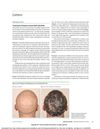
March 2017 in “JAMA Dermatology” Tofacitinib helped regrow hair in people with severe alopecia, but side effects occurred and benefits stopped after treatment ended.
 38 citations
,
January 2019 in “International Journal of Women's Dermatology”
38 citations
,
January 2019 in “International Journal of Women's Dermatology” The document concluded that more research is needed to find the best treatment for Frontal fibrosing alopecia.
 1 citations
,
January 2022 in “European Journal of Pharmacology”
1 citations
,
January 2022 in “European Journal of Pharmacology” Riboflavin 5′-phosphate (FMN) shows potential for treating androgen-related conditions but may be limited in treating prostate cancer.