1 citations
,
April 2021 in “Journal of Cosmetic Dermatology” The cream effectively reduced hair growth on forearms.
 9 citations
,
August 2002 in “Current Opinion in Pediatrics”
9 citations
,
August 2002 in “Current Opinion in Pediatrics” An 18-year-old girl with pemphigus vulgaris needed strong medication and careful treatment due to ineffective initial therapies and side effects.
 13 citations
,
January 2005 in “Chemical and Pharmaceutical Bulletin”
13 citations
,
January 2005 in “Chemical and Pharmaceutical Bulletin” Smaller substituents at C-17 enhance the inhibitory activity of progesterone derivatives on 5alpha-reductase.
 April 2026 in “International Journal of Drug Delivery Technology”
 Topical prostaglandin analogues may improve hair density in androgenetic alopecia, but more research is needed.
 April 2015 in “Reactions Weekly”
 Some elderly men had healing problems after using imiquimod and diclofenac for skin conditions on their scalps.
July 2025 in “Journal of Investigative Dermatology” Probiotics significantly reduce the severity of atopic dermatitis.
Ruxolitinib cream shows promise for vitiligo, and early melanoma diagnosis is crucial.
 June 2026 in “Aesthetic Cosmetology and Medicine”
 The polynucleotide-based gel effectively treats hair loss with minimal side effects.
August 2024 in “Postgraduate Medical Journal” A rare skin reaction from cancer treatment was successfully managed with topical treatments and antihistamines.
8 citations
,
March 2005 in “JDDG Journal der Deutschen Dermatologischen Gesellschaft” Bimatoprost eye drops can cause temporary eyelid changes and may help with hair growth research.
 February 2026 in “Trials”
 The Exfoliate-Dissolve-Repair skincare approach may effectively treat keratosis pilaris and reduce the need for corticosteroids.
 1 citations
,
October 2021 in “Cureus”
1 citations
,
October 2021 in “Cureus” Platelet-rich plasma treatment may safely and effectively reduce skin lesions in psoriasis and atopic dermatitis.
20 citations
,
June 2019 in “Archives of dermatological research” Combining DPCP and anthralin helps regrow hair in some alopecia areata patients.
15 citations
,
July 2010 in “Journal of Allergy and Clinical Immunology” A new cream, DHMEQ, reduces allergic skin inflammation effectively.
 22 citations
,
January 2001 in “Chemical & Pharmaceutical Bulletin”
22 citations
,
January 2001 in “Chemical & Pharmaceutical Bulletin” Some new progesterone derivatives are better at blocking testosterone conversion than a common drug.
1 citations
,
June 1999 in “American Journal of Contact Dermatitis” Tazarotene gel is more effective for acne than tretinoin and works as well as adapalene.
 24 citations
,
July 1983 in “Clinical and Experimental Dermatology”
24 citations
,
July 1983 in “Clinical and Experimental Dermatology” Tigason improved hair growth in a boy with monilethrix without side effects.
 1 citations
,
February 2015 in “Journal of evolution of medical and dental sciences”
1 citations
,
February 2015 in “Journal of evolution of medical and dental sciences” 0.05% Betamethasone Dipropionate is the most effective topical treatment for alopecia areata.
 25 citations
,
January 2005 in “Pediatric Dermatology”
25 citations
,
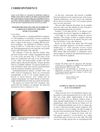
January 2005 in “Pediatric Dermatology” Methotrexate effectively treated a 2-year-old's generalized pustular psoriasis without side effects.
 March 2024 in “Ukraïnsʹkij žurnal dermatologìï, venerologìï, kosmetologìï”
 Topical retinoids are important for treating acne effectively and safely.
 1 citations
,
December 2022 in “Life”
1 citations
,
December 2022 in “Life” Topical corticosteroids are the main treatment for Erosive Pustular Dermatosis, but recurrence is common after stopping treatment.
3 citations
,
November 2005 in “Journal of Research in Medical Sciences” Finasteride cream didn't significantly reduce hair more than a placebo, but users felt it helped.
 April 2017 in “Journal of Investigative Dermatology”
 The document concludes that various topical treatments show promise for skin conditions like atopic dermatitis, psoriasis, and hair loss.
169 citations
,
September 2002 in “British journal of dermatology/British journal of dermatology, Supplement” ZD1839 (Iressa) causes skin and hair side effects, treatable with tretinoin cream and minocycline.
19 citations
,
March 2010 in “Steroids” Certain progesterone derivatives can inhibit enzymes and reduce androgenic activity, potentially affecting prostate growth.
 205 citations
,
March 2012 in “Science Translational Medicine”
205 citations
,
March 2012 in “Science Translational Medicine” PGD2 stops hair growth and is higher in bald men with AGA.
 1 citations
,
April 2016 in “Journal of Investigative Dermatology”
1 citations
,
April 2016 in “Journal of Investigative Dermatology” Blocking Prostaglandin D₂ may help treat hair loss.
58 citations
,
January 2015 in “Journal of the American Academy of Dermatology” Pioglitazone may help treat lichen planopilaris, but more research is needed.
25 citations
,
July 2006 in “Journal of Neurochemistry” Progesterone affects GABAA receptor function by altering δ subunit levels.
 108 citations
,
November 1980 in “British Journal of Dermatology”
108 citations
,
November 1980 in “British Journal of Dermatology” Oral retinoids are effective for various skin conditions but have side effects and should not be used during pregnancy.