 33 citations
,
June 2016 in “Pediatric Dermatology”
33 citations
,
June 2016 in “Pediatric Dermatology” Some congenital hair disorders improve in childhood or with treatments like minoxidil and retinoids, while others like Netherton syndrome and trichothiodystrophy have a poor prognosis.
 May 1985 in “Journal of The American Academy of Dermatology”
 The book "Diseases of the Hair and Scalp" has outdated information and confusing content, but may still offer some insights.
3 citations
,
January 2020 in “JAAD Case Reports” A girl had two rare hair conditions that helped understand their overlap.
175 citations
,
December 1980 in “Archives of Dermatology” Trichothiodystrophy is a condition with brittle hair and various physical and mental issues due to low sulfur in proteins.
April 2016 in “Journal of Investigative Dermatology” Mutations in the TSPEAR gene cause a new form of ectodermal dysplasia affecting hair and tooth development.
 24 citations
,
November 2015 in “Scientific reports”
24 citations
,
November 2015 in “Scientific reports” Human hair has a new region with ordered filaments and the cuticle contains β-keratin sheets.
 13 citations
,
May 2016 in “International journal of biological macromolecules”
13 citations
,
May 2016 in “International journal of biological macromolecules” Keratin's mechanical properties are influenced by hydrogen bonds and secondary structure, and can be improved with the SPD-2 peptide.
 126 citations
,
January 1987 in “Journal of The American Academy of Dermatology”
126 citations
,
January 1987 in “Journal of The American Academy of Dermatology” The document concludes that understanding hair structure is key to diagnosing hair abnormalities and recommends gentle hair care for management.
2 citations
,
September 2004 in “Experimental Dermatology” Keratinocyte adhesion problems can cause skin and hair disorders.
June 2008 in “Wound Repair and Regeneration” Msx-2 gene removal speeds up skin wound healing in mice.
 24 citations
,
January 2011 in “International Journal of Trichology”
24 citations
,
January 2011 in “International Journal of Trichology” Light microscopy is useful for diagnosing different hair disorders.
1 citations
,
January 2025 in “Advances in Wound Care” Dermal sheath cells help heal wounds by showing both skin and connective tissue traits.
 June 2024 in “British Journal of Dermatology”
 The review helps improve diagnosis and treatment of challenging hair disorders.
Whiskers can form without sensory nerves or Foxd1, thanks to Meis2 in mesenchymal cells.
 January 2023 in “Springer eBooks”
 Hair shedding that lasts over 6 months may need a closer look, but often just reassurance is enough.
December 2020 in “Dermatology practical & conceptual” Trichoscopy helped diagnose a teenage girl's hair loss as monilethrix.
 82 citations
,
March 2012 in “Development”
82 citations
,
March 2012 in “Development” Drosha and Dicer are essential for hair follicle health and preventing DNA damage in skin cells.
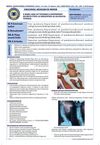 January 2023 in “PARIPEX INDIAN JOURNAL OF RESEARCH”
 Vitamin D Dependent Rickets Type-2A can cause complete hair loss and bone growth issues in infants.
January 2015 in “Springer eBooks” Healthy hair is crucial to avoid dryness, weakness, and breakage.
January 2006 in “Durham e-Theses (Durham University)” Id proteins, especially Id2 and Id3, are crucial for hair follicle development and stem cell regulation.
April 2012 in “Informa Healthcare eBooks” Telogen effluvium is a condition that causes temporary hair loss.
 January 2022 in “Revista Dermatológica Centro Uraga”
 Monilethrix is a genetic hair disorder affecting hair shape, seen in two brothers.
Meis2 is essential for whisker development, independent of nerve involvement.
42 citations
,
September 1985 in “British Journal of Dermatology” Trichothiodystrophy causes abnormal protein deposits and distortion in hair follicles.
 January 2019 in “Elsevier eBooks”
 Different hair disorders have specific treatments and outcomes, with some resolving on their own and others requiring medication or emotional support.
1 citations
,
June 2018 in “Archives of Disease in Childhood Education & Practice” The girl's hair started regrowing after 6 weeks of treatment.
2 citations
,
October 2018 in “Skin appendage disorders” A boy's hair that was frizzy and hard to comb returned to normal after 9 months, possibly due to genetic factors.
Loose anagen syndrome causes easy hair shedding in children, often resolving on its own.
34 citations
,
December 1984 in “Journal of Cutaneous Pathology” Monilethrix hair issues are due to problems in the hair's internodes.