 January 2026 in “Forum Dermatologicum”
 JAK inhibitors and combination therapies show promise for treating severe alopecia areata.
 January 2026 in “Journal of Biosciences and Medicines”
 Chronic kidney disease can cause skin issues that need early recognition and combined treatment for better outcomes.
 December 2025 in “Frontiers in Nutrition”
 Collagen supplements may improve skin, joints, and recovery, especially with added nutrients.
 November 2025 in “International Journal of Recent Innovations in Medicine and Clinical Research”
 Understanding different types of hair loss helps in accurate diagnosis and treatment.
October 2025 in “Journal of Investigative Dermatology” Iron balance is crucial for skin health, affecting conditions like psoriasis and hair loss.
3D culture better preserves sweat gland cell identity than 2D culture.

Azelaic acid helps with skin pigmentation issues, but its full effects are not completely understood.
July 2025 in “American Journal on Addictions” Using 5-alpha reductase inhibitors may lower the risk of opioid addiction in men taking opioids.
 July 2025 in “International Journal of Dermatology Venereology and Leprosy Sciences”
 The human amniotic membrane is a promising material for skin treatments and hair growth.
 June 2025 in “Saratov Medical Journal”
 Ongoing research and innovation are crucial for improving skin care and treatment.
 January 2025 in “Cellular and Molecular Life Sciences”
 BMP4 helps stem cells turn into pigment-producing cells, affecting hair color and growth.
 January 2025 in “International Journal of Herbal Medicine”
 Herbs like neem, tulsi, and tea tree oil may treat dandruff without side effects.
 January 2025 in “International Journal of Dermatology Venereology and Leprosy Sciences”
 Current treatments for alopecia areata can help hair grow but don't cure the disease.
SH-SY5Y cell lysate is effective for diagnosing Satoyoshi syndrome.
 November 2024 in “Journal of Drugs in Dermatology”
 Injectable minoxidil is a promising, effective treatment for hair loss.
 August 2024 in “Bioscience of Microbiota Food and Health”
 Microbes might play a role in vitiligo.
 August 2024 in “Quality in Sport”
 PRP helps with skin, hair, and wound treatments but needs more research for standard use.
 July 2024 in “Journal of Rare Diseases”
 Woodhouse-Sakati syndrome shows varied symptoms and genetic differences within families.
July 2024 in “International Journal of Molecular Sciences” RF-based therapies might help treat hair loss.

New insights into cell communication in psoriasis suggest innovative drug treatments.
 January 2024 in “Frontiers in endocrinology”
 The study suggests that hypothyroidism may cause alopecia areata.
 December 2023 in “EPRA international journal of multidisciplinary research”
 Alopecia areata causes sudden hair loss, has genetic links, and can be managed but not cured.
 November 2023 in “Frontiers in cell and developmental biology”
 Hair aging is caused by stress, hormones, inflammation, and DNA damage affecting hair growth and color.
 October 2023 in “bioRxiv (Cold Spring Harbor Laboratory)”
 Immune cells are essential for early hair and skin development and healing.
 January 2023 in “International Journal of Zoology and Animal Biology”
 Canine hypothyroidism can be linked to diabetes, requiring thorough testing for proper diagnosis.
 July 2021 in “Indian journal of dermatopathology and diagnostic dermatology”
 Trichoscopy is a reliable method for diagnosing hair and scalp disorders quickly and non-invasively.
 January 2021 in “Revista Dermatológica Centro Uraga”
 Endocrinological evaluation is crucial for properly diagnosing and treating acne.
 May 2020 in “bioRxiv (Cold Spring Harbor Laboratory)”
 The study found that certain genes are important for hedgehog skin appendage development and immunity, with spines possibly evolving for protection and infection resistance.

Biofield Energy Healing significantly increased hair growth by making hair root cells grow more.
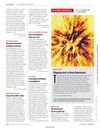
Activin A increases inner ear hair cell development, while follistatin decreases it.