April 1974 in “Pediatric Research” Monitoring nutrition and health is crucial for the well-being of institutionalized mentally retarded children.
January 2024 in “Indian Journal of Psychiatry” The screening method effectively predicts psychosis, valproate use is linked to hair loss, and IDEAS is valid for assessing mental disorder disability.
 39 citations
,
November 2017 in “Journal of The American Academy of Dermatology”
39 citations
,
November 2017 in “Journal of The American Academy of Dermatology” The document suggests using standardized methods to track and measure hair loss in alopecia areata, including patient self-assessment and a 50% improvement in specific scores as a treatment goal.
10 citations
,
May 2017 in “Symmetry” Higher androgen levels are linked to less asymmetry in !Kung San males.
May 2015 in “Hair transplant forum international” Finasteride safety data in trials may be underreported or misrepresented.
 2 citations
,
January 2012 in “Journal of The Chilean Chemical Society”
2 citations
,
January 2012 in “Journal of The Chilean Chemical Society” New method accurately measures finasteride in tablets and bulk.
 May 2026 in “Research Square”
 TikTok can educate about alopecia, but more accurate content from medical professionals is needed.
2 citations
,
May 2025 in “BMJ Open” Patients with alopecia areata face treatment barriers due to lack of reimbursement and need more support and information.
 49 citations
,
November 2014 in “Journal of Clinical Epidemiology”
49 citations
,
November 2014 in “Journal of Clinical Epidemiology” The objective approach for creating search strategies is as effective as the traditional method and might be better and more efficient.
October 2025 in “Frontiers in Toxicology” A new method effectively predicts estrogen-related health effects for early screening.
 October 2023 in “Dermatology practical & conceptual”
 Finger length ratios might help predict common hair loss.
 September 2006 in “Plastic and Reconstructive Surgery”
 Outpatient aesthetic and reconstructive surgeries are about equally profitable in Academic Health Centers and Ambulatory Surgery Centers when time is considered, but dedicated surgery centers are generally more profitable.
April 2017 in “The Journal of urology/The journal of urology” Finasteride use is linked to a lower risk of bladder cancer, especially in Caucasians and Hispanics.
7 citations
,
July 1981 in “Clinical and Experimental Dermatology” The normalized androgen ratio can help manage conditions with excess androgen activity in women.
July 2026 in “Journal of Investigative Dermatology” More research is needed to understand hair and scalp disorders in children with skin of color.
 July 2025 in “Journal of the American Academy of Dermatology”
 Hair diameter diversity helps assess hair loss, but its standard measure varies by individual and ethnicity.
November 2025 in “BMC Endocrine Disorders” The TT/DHT ratio may help identify PCOS patients with severe metabolic issues.
 October 2023 in “Journal of the European Academy of Dermatology and Venereology”
 Patients with skin diseases rated psychological effects as most impactful, needing a treatment approach that addresses both mind and body.
 40 citations
,
September 2019 in “Molecular and Cellular Endocrinology”
40 citations
,
September 2019 in “Molecular and Cellular Endocrinology” Group a wide range of chemicals, not just phthalates, for assessing risks to male reproductive health.
4 citations
,
April 2001 in “Experimental Dermatology” Using single dermal papillae is unreliable for analyzing androgen metabolism in hair follicles.
 April 2012 in “The Journal of Urology”
 More prostate biopsies increase the chance of finding cancers that may not need treatment.
22 citations
,
August 2020 in “Health and Quality of Life Outcomes” The DLQI is reliable but may not fully capture the impact of skin conditions on quality of life, especially in emotional and psychological areas.
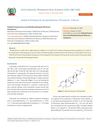 November 2023 in “Acta scientific pharmaceutical sciences”
 Different methods accurately measure Finasteride in medicines and body fluids.
January 2018 in “Journal of analytical, bioanalytical and separation techniques”  1 citations
,
May 2023 in “Reports of Vinnytsia National Medical University”
1 citations
,
May 2023 in “Reports of Vinnytsia National Medical University” Anthropometric measurements like weight and BMI may help identify alopecia risk groups.
January 2020 in “Proyecto de investigación:” Longer anogenital distance may indicate a higher chance of having polycystic ovary syndrome, and measuring this distance along with hormone levels could improve diagnosis.

Women with PCOS have hormonal imbalances and increased central obesity, highlighting the need for early detection and management.
 15 citations
,
October 2018 in “Reproductive Biomedicine Online”
15 citations
,
October 2018 in “Reproductive Biomedicine Online” Measuring the distance from the anus to the clitoris may moderately help diagnose polycystic ovary syndrome, especially in certain cases.
January 2006 in “프로그램북(구 초록집)” January 2025 in “SSRN Electronic Journal”