11 citations
,
November 2023 in “Skin Research and Technology” A 2 mm needle is effective and precise for skin injections.
 January 2003 in “Springer eBooks”
 Certain genes are linked to type 1 and type 2 diabetes in kids, and changes in these genes can also cause other diabetes-related conditions.
 48 citations
,
January 2024 in “Immune Network”
48 citations
,
January 2024 in “Immune Network” IL-15 is key for T cell function and could help improve treatments for immune-related diseases.
July 2019 in “Cancer Research” Bone marrow and hair follicle cells help form skin tumors, suggesting new treatment targets.
 60 citations
,
September 2015 in “Expert Review of Clinical Immunology”
60 citations
,
September 2015 in “Expert Review of Clinical Immunology” Lymphocytes, especially CD8+ T cells, play a key role in causing alopecia areata, and targeting them may lead to new treatments.
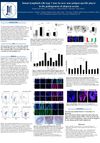
Innate lymphoid cells type 1 may contribute to alopecia areata by damaging hair follicles.
22 citations
,
October 2000 in “British Journal of Haematology” Non-myeloablative stem cell transplants are a promising, less toxic option for older or weaker patients, with fewer side effects and good outcomes.
May 2021 in “The journal of investigative dermatology/Journal of investigative dermatology” Nicastrin deficiency may cause skin cell damage and pigmentation disorders in humans, similar to effects seen in fish.
Smad4 is crucial for muscle repair, especially in aging, by promoting cell growth over differentiation.
 17 citations
,
April 2017 in “PLoS ONE”
17 citations
,
April 2017 in “PLoS ONE” Hair follicle cells can become bone-like cells, useful for bone repair.
 23 citations
,
January 2015 in “Journal of The American Academy of Dermatology”
23 citations
,
January 2015 in “Journal of The American Academy of Dermatology” People with myotonic dystrophy type 1 have a higher chance of getting skin tumors, including melanoma.
 March 2018 in “Gazi medical journal”
 Adults with Beta Thalassemia Major are more likely to have skin, hair, and nail disorders.
17 citations
,
May 2013 in “Journal of Investigative Dermatology” Mutations in β1 integrins cause embryonic death but have milder effects on skin.
35 citations
,
April 1998 in “PubMed” Activated erbB-2 in mice skin causes severe skin and hair abnormalities.
TLR2 is crucial for hair growth and regeneration, and boosting it can help prevent hair loss.

TLR2 helps control hair growth and regeneration, and its reduction with age or obesity can impair hair growth.
 201 citations
,
November 1964 in “Journal of neurophysiology”
201 citations
,
November 1964 in “Journal of neurophysiology” The cuneate nucleus has two main neuron types: relay neurons and interneurons.
27 citations
,
August 2021 in “Journal of Autoimmunity” Human dermal γδT-cells respond to stress in hair follicles, contributing to hair loss.
33 citations
,
March 1994 in “PubMed” High ODC and low K1 and K10 may indicate early skin tumors in mice.

Pygo2 is important for early growth and progression of intestinal tumors, and could be a target for treating cancers with certain mutations.
June 2020 in “Zenodo (CERN European Organization for Nuclear Research)” Children with frequent severe infections and low antibodies should be checked for immune deficiencies.
 1 citations
,
May 2023 in “Journal of neuroendocrinology”
1 citations
,
May 2023 in “Journal of neuroendocrinology” DAVID syndrome is a condition with immune system and hormone deficiencies, needing early diagnosis to avoid serious complications.
December 2004 in “Differentiation” 2 citations
,
August 2023 in “Experimental Dermatology” HEY2+ cells help regenerate skin during wound healing.
 April 2017 in “Journal of Investigative Dermatology”
 A virus protein can activate a pathway that may lead to abnormal hair follicle development.

Ca²⁺-mediated protein citrullination controls cell growth in the CNS and may help treat brain tumors.
19 citations
,
April 1999 in “British Journal of Dermatology” Keratin 2e shows a unique pattern in developing fetal skin, different from other keratins.
49 citations
,
January 2006 in “Developmental Dynamics” Noggin gene inactivation causes skeletal defects in mice, varying by genetic background.
12 citations
,
August 2007 in “Human Molecular Genetics” Lymphotoxin-β is crucial for proper skin development in embryos.
55 citations
,
February 1975 in “Journal of Cutaneous Pathology” Dermal cell activity increases during hair growth in rats.