 18 citations
,
May 2020 in “Biomolecules”
18 citations
,
May 2020 in “Biomolecules” Spironolactone, a heart and liver drug, has new uses including cancer treatment, viral infection prevention, and skin condition improvement.
 18 citations
,
July 2014 in “Molecular Medicine Reports”
18 citations
,
July 2014 in “Molecular Medicine Reports” UVB radiation changes the levels of certain microRNAs in skin cells, which may affect cell survival and hair growth.
 12 citations
,
April 2014 in “Molecular Medicine Reports”
12 citations
,
April 2014 in “Molecular Medicine Reports” Targeting specific miRNAs may help treat hair follicle issues caused by hydrogen peroxide.
 November 2025 in “Cancer Management and Research”
 Targeting Keratin 17 may help overcome cancer therapy resistance.
 133 citations
,
September 2013 in “Nature Reviews Molecular Cell Biology”
133 citations
,
September 2013 in “Nature Reviews Molecular Cell Biology” Different types of stem cells and their environments are key to skin repair and maintenance.
 60 citations
,
June 1997 in “Journal of The American Academy of Dermatology”
60 citations
,
June 1997 in “Journal of The American Academy of Dermatology” Apoptosis is crucial for healthy skin and treating skin diseases.
 14 citations
,
January 2008 in “Dermatology”
14 citations
,
January 2008 in “Dermatology” Vitamin D made by the skin plays a role in immune defense and skin health, and more research is needed to understand its full effects.
 10 citations
,
January 2021 in “Journal of Ginseng Research”
10 citations
,
January 2021 in “Journal of Ginseng Research” Red ginseng oil may help grow hair and protect skin from UVC light.
 1 citations
,
January 2011 in “Springer eBooks”
1 citations
,
January 2011 in “Springer eBooks” Histone demethylases play a key role in the development of many diseases and may be targets for treatment.
 March 2026 in “Wiadomości Lekarskie”
 Psychological stress speeds up skin aging.
PRP may help reduce brain inflammation and protect brain cells.
 July 2025 in “Scientific Reports”
 Dermal papilla cell-conditioned medium can help reduce skin aging caused by oxidative stress.
 32 citations
,
December 2018 in “Cytokine”
32 citations
,
December 2018 in “Cytokine” Type I interferons play a key role in the development of various skin diseases.
 23 citations
,
January 2017 in “Journal of Oleo Science”
23 citations
,
January 2017 in “Journal of Oleo Science” Supercritical CO2 extraction makes rice bran oil healthier and safer than traditional methods.
 4 citations
,
November 2014
4 citations
,
November 2014 The skin protects the body, regulates temperature, senses touch, and makes vitamin D.
 127 citations
,
June 2008 in “British Journal of Clinical Pharmacology”
127 citations
,
June 2008 in “British Journal of Clinical Pharmacology” Low doses of some substances can be beneficial, while high doses can be harmful or toxic.
 93 citations
,
June 2011 in “Journal of Neuroscience”
93 citations
,
June 2011 in “Journal of Neuroscience” p63 is essential for activating and differentiating stem cells in the nose's olfactory tissue.
 74 citations
,
June 2018 in “Cell death and disease”
74 citations
,
June 2018 in “Cell death and disease” Restoring mitochondrial function in mice reversed their skin wrinkling and hair loss.
 59 citations
,
October 2020 in “Stem Cell Reviews and Reports”
59 citations
,
October 2020 in “Stem Cell Reviews and Reports” Men have higher COVID-19 mortality rates than women due to biological and lifestyle factors.
 41 citations
,
April 2016 in “Journal of experimental botany”
41 citations
,
April 2016 in “Journal of experimental botany” RACB in barley is crucial for cell polarity and nucleus positioning, aiding fungal infection.
 26 citations
,
January 1994 in “Clinics in Dermatology”
26 citations
,
January 1994 in “Clinics in Dermatology” Artificial skin is improving wound healing and shows potential for treating different types of wounds.
 14 citations
,
May 2021 in “Marine Drugs”
14 citations
,
May 2021 in “Marine Drugs” PDRN, derived from salmon sperm, shows promise in healing wounds, reducing inflammation, and regenerating tissues, but more research is needed to understand its mechanisms and improve its use.
 12 citations
,
December 2019 in “International Journal of Molecular Medicine”
12 citations
,
December 2019 in “International Journal of Molecular Medicine” Stem cells from umbilical cord blood may prevent hair loss caused by certain medications.
 9 citations
,
July 2002 in “Journal of the European Academy of Dermatology and Venereology”
9 citations
,
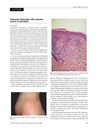
July 2002 in “Journal of the European Academy of Dermatology and Venereology” The document concludes that fexofenadine reduces inflammation in chronic hives, cholestyramine helps half of pregnant women with itchy rashes, and relaxing incisions are a good alternative in facial surgery for the elderly.
 2 citations
,
September 2023 in “Frontiers in molecular biosciences”
2 citations
,
September 2023 in “Frontiers in molecular biosciences” Inducing ferroptosis in hepatic stellate cells is crucial for treating liver fibrosis.
 1 citations
,
May 2025 in “The Journal of Rheumatology”
1 citations
,
May 2025 in “The Journal of Rheumatology” Upadacitinib may help treat difficult cases of systemic lupus erythematosus.
 1 citations
,
January 2010 in “Elsevier eBooks”
1 citations
,
January 2010 in “Elsevier eBooks” Any drug can cause skin reactions, but antibiotics, NSAIDs, and psychotropic drugs are more common, with some reactions being life-threatening.
 April 2026 in “International Journal of Drug Delivery Technology”
 Nanoparticle-based dressings and theranostic innovations improve chronic wound care by effectively targeting biofilms and offering precise treatment.
 January 2024 in “Editora In Vivo eBooks”
 Early diagnosis and management are crucial for feline inflammatory bowel disease.
 June 2022 in “Research Square (Research Square)”
 Hair follicle stem cells can help heal intestinal injuries in rats.