2 citations
,
November 2019 in “FEBS open bio” Combining specific inducers helps dermal papilla cells regain hair-forming ability.
13 citations
,
April 2013 in “Immunotherapy” Inhibiting PLA2 enzymes may help treat inflammatory skin diseases like psoriasis and dermatitis.
4 citations
,
April 2012 in “The journal of investigative dermatology/Journal of investigative dermatology” Krt16-deficient mice help understand skin disorders like PC and FNEPPK.
January 1992 in “Filosofia oggi” PRP gel is a safe, affordable treatment needing trained staff and proper facilities.
47 citations
,
September 1995 in “British Journal of Dermatology” Diphencyprone therapy for hair loss can cause vitiligo.
 19 citations
,
April 2015 in “European Journal of Pharmacology”
19 citations
,
April 2015 in “European Journal of Pharmacology” Dihydrotestosterone (DHT) doesn't affect rat skin cell growth, but it does change cell cycle, protein levels, and other cell functions, potentially shortening hair growth cycle.
 January 2024 in “International Journal of Trichology”
 Human platelet-rich plasma is better than fetal bovine serum for growing cells that help hair regrow.
48 citations
,
June 2000 in “Japanese Journal of Cancer Research” Dimethylarsinic acid speeds up skin tumor growth in certain mice.
1 citations
,
January 2024 in “Pharmaceuticals” A new carrier improves skin delivery of tofacitinib for treating inflammatory skin diseases.
July 2025 in “Journal of Investigative Dermatology” Machine learning can help identify biomarkers for personalized Pemphigus vulgaris treatment.
 September 2022 in “Institutional Repositories DataBase (IRDB)”
 Adipose-derived stem cells can be transformed into hair-forming cells using specific extracellular vesicles, offering potential for hair regeneration therapies.
 12 citations
,
February 2003 in “European Urology Supplements”
12 citations
,
February 2003 in “European Urology Supplements” Dutasteride reduces DHT more effectively than finasteride.
July 2022 in “British Journal of Dermatology”  1 citations
,
May 2017 in “Hair transplant forum international”
1 citations
,
May 2017 in “Hair transplant forum international” PRP is beneficial for hair restoration.
October 2022 in “Zenodo (CERN European Organization for Nuclear Research)” Combining PDLLA and PRP effectively reduces wrinkles and improves skin quality.
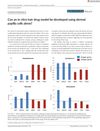 3 citations
,
February 2021 in “Experimental dermatology”
3 citations
,
February 2021 in “Experimental dermatology” Dermal papilla microtissues could be useful for initial hair growth drug testing.
 10 citations
,
January 2016 in “Annals of Dermatology”
10 citations
,
January 2016 in “Annals of Dermatology” 3D-cultured dermal papilla cells are better at inducing hair follicles than adipose-derived stem cells.
June 2019 in “PRISM (University of Calgary)” DPCs and new biomaterials can greatly improve skin healing.
33 citations
,
December 2005 in “British Journal of Clinical Pharmacology” The new testosterone patch works as well as the gel.
January 2004 in “Pharmaceutical biotechnology” Finasteride effectively inhibits the enzyme steroid 5 alpha-reductase II.
 123 citations
,
September 1987 in “JAMA”
123 citations
,
September 1987 in “JAMA” IL-2 treatment causes skin eruptions and other reversible side effects, and may play a role in psoriasis.
 2 citations
,
January 2012 in “Journal of The Chilean Chemical Society”
2 citations
,
January 2012 in “Journal of The Chilean Chemical Society” New method accurately measures finasteride in tablets and bulk.
 6 citations
,
October 2020 in “Journal of Cellular and Molecular Medicine”
6 citations
,
October 2020 in “Journal of Cellular and Molecular Medicine” 3D culture helps maintain hair growth cells better than 2D culture and identifies key genes for potential hair loss treatments.
 4 citations
,
January 2022 in “Journal of Bioscience and Bioengineering”
4 citations
,
January 2022 in “Journal of Bioscience and Bioengineering” Electric stimulation can increase hair growth by activating certain genes in skin cells.
 46 citations
,
September 2014 in “Tissue engineering. Part A”
46 citations
,
September 2014 in “Tissue engineering. Part A” Researchers created hair-inducing human cell clusters using a 3D culture method.
 September 2022 in “Annals of medicine and surgery”
 Three siblings with a rare genetic condition had abnormal sexual development and chose different gender identities, needing surgery and therapy.
September 2025 in “Science Advances” PADI4 enzyme slows down cell growth in developing hair follicles.
64 citations
,
March 2004 in “Journal of Clinical Investigation” Targeting ornithine decarboxylase can help prevent skin cancer.
6 citations
,
January 2010 in “Journal of Biochemical and Molecular Toxicology” The ID2 gene can help distinguish between sensitizers and irritants in skin cells.
 April 2019 in “Journal of Investigative Dermatology”
 Differences in growth factors in platelet-rich plasma therapy for hair loss can vary between patients and can be influenced by the devices used, possibly leading to inconsistent results.