6 citations
,
February 2024 in “JAAD International” ChatGPT is preferred for creating dermatology patient handouts, but all models can be useful with oversight.
 January 2026 in “Clinical Cosmetic and Investigational Dermatology”
 Placenta polypeptide injection is a safe and effective treatment for sensitive skin.
January 2020 in “Platelet Rich Plasma in Androgenetic Alopecia- A Prospective Study.” 29 citations
,
May 2025 in “Polymers” DLP bioprinting shows promise for medical uses, but needs more material options and strength improvements.
 2 citations
,
March 2023 in “Research Square (Research Square)”
2 citations
,
March 2023 in “Research Square (Research Square)” Forensic DNA phenotyping faces challenges due to inconsistent terminology, limited genetic understanding, and debates over technology and models.
 February 2026 in “Trials”
 The study aims to find the best platelet-rich plasma dose to relieve moderate carpal tunnel syndrome symptoms.
 January 2006 in “Actas Urológicas Españolas”
 Incidental prostate cancer was found in 4.89% of patients undergoing surgery for benign prostatic hyperplasia.
 39 citations
,
July 2008 in “Dermatologic Therapy”
39 citations
,
July 2008 in “Dermatologic Therapy” Pseudopelade of Brocq is a unique hair loss condition, but its cause and development are still not fully understood.
 June 2020 in “Annals of the Rheumatic Diseases”
 Patients with Systemic Sclerosis have much higher levels of GDF-15, which could help predict organ involvement and guide treatment.
January 2025 in “Indian Journal of Dermatopathology and Diagnostic Dermatology” Dermoscopy helps diagnose rare GLPLS in males.
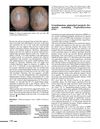 8 citations
,
July 2018 in “European Journal of Dermatology”
8 citations
,
July 2018 in “European Journal of Dermatology” A medication may help with hair growth in psoriasis, and a skin condition might be linked to a specific bacteria.
January 2021 in “대한피부과학회지” The solution increased hair density safely and effectively for hair loss.
27 citations
,
August 2008 in “Mayo Clinic proceedings” Early recognition and treatment of Peripheral Arterial Disease is crucial to improve survival and health outcomes.
 April 2023 in “Journal of Investigative Dermatology”
 The document's conclusion cannot be provided because the content is not accessible.
 4 citations
,
November 2016 in “Journal of Cutaneous Pathology”
4 citations
,
November 2016 in “Journal of Cutaneous Pathology” Three characteristics of plasmacytoid dendritic cells help tell apart lupus-related hair loss from LPP.
 October 2014 in “Faculty Opinions – Post-Publication Peer Review of the Biomedical Literature”
 Adding dalteparin and protamine microparticles to platelet-rich plasma can boost hair growth more than using platelet-rich plasma alone.
January 2024 in “Indian Journal of Psychiatry” Precision neuromodulation may improve schizophrenia symptoms.
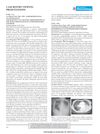 May 2025 in “The Journal of Rheumatology”
 Early recognition and a team approach are crucial for managing diffuse alveolar hemorrhage in antiphospholipid syndrome.
1 citations
,
February 2025 in “Journal of the Neurological Sciences” Beta-trace protein may help diagnose and predict treatment response in certain nerve disorders.
 February 2020 in “International Journal of Research in Dermatology”
 EPDS is a rare, chronic scalp condition that's hard to treat and needs better awareness for improved outcomes.
 January 2026 in “RSC Advances”
 The hydrogel speeds up diabetic wound healing and reduces scarring.
1 citations
,
May 2024 in “Human Genomics” Polygenic risk scores can predict the risk and outcomes of benign prostatic hyperplasia.
6 citations
,
December 2021 in “Journal of Clinical Medicine” LiPADI is a useful tool for monitoring the severity and treatment of lichen planus.
 2 citations
,
January 2012 in “Journal of The Chilean Chemical Society”
2 citations
,
January 2012 in “Journal of The Chilean Chemical Society” New method accurately measures finasteride in tablets and bulk.
4 citations
,
April 2022 in “Microorganisms” Povidone iodine reduced skin bacteria more than chlorhexidine gluconate, but neither met FDA reduction standards.
12 citations
,
January 2013 in “Indian dermatology online journal” Dermatopathia pigmentosa reticularis causes skin discoloration, hair loss, and nail problems.
87 citations
,
March 2017 in “Journal of Clinical Investigation” PSENEN gene mutations can cause both Dowling-Degos disease and acne inversa.
13 citations
,
July 2016 in “Indian Journal of Dermatology” DPR can show different hair characteristics, as seen in two brothers with normal hair.
 7 citations
,
August 2020 in “Journal of The American Academy of Dermatology”
7 citations
,
August 2020 in “Journal of The American Academy of Dermatology” The document sets guidelines to standardize reporting of PRP clinical trials for better reproducibility and comparability.

Standardized PRP therapy can improve treatment for hair loss.