 140 citations
,
January 2009 in “JEADV. Journal of the European Academy of Dermatology and Venereology/Journal of the European Academy of Dermatology and Venereology”
140 citations
,
January 2009 in “JEADV. Journal of the European Academy of Dermatology and Venereology/Journal of the European Academy of Dermatology and Venereology” Liposomes improve drug delivery and reduce skin irritation in dermatology.
 76 citations
,
January 2019 in “Nanoscale”
76 citations
,
January 2019 in “Nanoscale” Created material boosts hair growth and kills bacteria for wound healing.
 13 citations
,
December 2013 in “Chemistry Central Journal”
13 citations
,
December 2013 in “Chemistry Central Journal” Sunlight exposure increases drug toxicity; amber glass best for protection.
8 citations
,
May 2024 in “Advanced NanoBiomed Research” Nanocarriers can improve skin drug delivery but face challenges in clinical use.
 2 citations
,
January 2018 in “Elsevier eBooks”
2 citations
,
January 2018 in “Elsevier eBooks” Lipid nanoparticles improve drug delivery through the skin, offering stability, controlled release, and better compatibility with skin.
 August 2025 in “Biomacromolecules”
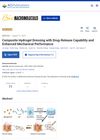
 The hydrogel dressing improves wound healing, offers long-lasting antibacterial effects, and enhances patient comfort.
 August 2022 in “International journal of research in pharmacy and chemistry”
 Teak is a durable, termite-resistant wood with medicinal benefits.
 2 citations
,
December 2023 in “Current Pharmaceutical Biotechnology”
2 citations
,
December 2023 in “Current Pharmaceutical Biotechnology” Nanocarriers can improve the effectiveness of herbal medicines in treating colorectal cancer.
 January 2025 in “Scripta Medica”
 Natural hydrolates may improve burn healing and fight antibiotic resistance.
 January 2024 in “International Journal of Environment Agriculture and Biotechnology”
 Organic garlic is more nutritious and better at fighting bacteria than chemically grown garlic.
115 citations
,
August 2004 in “The journal of investigative dermatology/Journal of investigative dermatology” Modulating Cytochrome P450 activity could help develop new skin disease treatments.
70 citations
,
August 2019 in “European Journal of Medicinal Chemistry”  15 citations
,
January 2016 in “Dermatologic Clinics”
15 citations
,
January 2016 in “Dermatologic Clinics” Start acne treatment early to prevent scarring, consider antibiotic resistance, use maintenance therapy, and manage side effects carefully.
12 citations
,
March 2023 in “Pharmaceutics” Gas-propelled dissolving microneedles improve drug loading and delivery efficiency.
6 citations
,
July 2025 in “Pharmaceuticals” Marine biomaterials show promise for drug delivery and wound healing.
 5 citations
,
August 2020 in “Stem Cell Research & Therapy”
5 citations
,
August 2020 in “Stem Cell Research & Therapy” Using fat-derived stem cells with the drug meglumine antimoniate can help control skin disease and reduce parasites in mice with leishmaniasis.
 1 citations
,
January 1989 in “Journal of dermatological treatment”
1 citations
,
January 1989 in “Journal of dermatological treatment” Azelaic acid may help treat acne by killing bacteria, reducing inflammation, and preventing clogged pores.
 March 2017 in “Fundamental & Clinical Pharmacology”
 The model and estimator can predict drug exposure in kidney transplant patients well.
30 citations
,
November 2024 in “ACS Materials Au” Microneedles are promising for disease monitoring and drug delivery due to their minimal invasiveness and versatility.
30 citations
,
February 2023 in “Biomaterials Research” The hydrogel works quickly to stop bleeding and prevent infection, making it a promising first-aid bandage.
 January 2024 in “Wiadomości Lekarskie”
 Alzheimer's may be treated by targeting gut bacteria and inflammation.
 12 citations
,
April 2023 in “Nano Biomedicine and Engineering”
12 citations
,
April 2023 in “Nano Biomedicine and Engineering” Silver nanoparticles made from jackfruit leaf extract are effective against bacteria and fungi.
 November 2025 in “Nanoscale Advances”
 Inorganic nanoparticle-based scaffolds can improve wound healing by fighting bacteria and helping tissue grow.
25 citations
,
August 2024 in “Virtual and Physical Prototyping” 3D bioprinting could solve organ shortages and improve drug testing.
 1 citations
,
October 2025 in “Frontiers in Bioengineering and Biotechnology”
1 citations
,
October 2025 in “Frontiers in Bioengineering and Biotechnology” The bilayer wound dressing significantly improves skin healing by preventing bacteria and promoting cell growth.
 17 citations
,
April 2015 in “Tropical Journal of Pharmaceutical Research”
17 citations
,
April 2015 in “Tropical Journal of Pharmaceutical Research” Asiasari Radix et Rhizoma is safe and has potential for new drug development due to its therapeutic properties.
5 citations
,
May 2025 in “Pharmaceutics” Sericin from silk cocoons could be a promising drug delivery tool, but stability and consistency need improvement.
 April 2024 in “Frontiers in cellular and infection microbiology”
 Blue light might help treat skin conditions by affecting the skin's bacteria.
 July 2021 in “Journal of dermatology research and therapy”
 Using combined treatments can help manage acne by targeting the bacteria and skin changes that cause it.
 37 citations
,
March 1990 in “The Journal of Pediatrics”
37 citations
,
March 1990 in “The Journal of Pediatrics” Toxic shock syndrome is caused by a complex interaction of bacterial toxins and the immune system, and understanding this can help improve diagnosis and treatment.