14 citations
,
November 2019 in “Materials” Diamond nanoparticles can penetrate skin and reach hair follicles, useful for imaging applications.
 211 citations
,
June 2012
211 citations
,
June 2012 The skin is a complex barrier for drug penetration, but understanding its structure and interactions can improve drug delivery methods.
54 citations
,
May 2021 in “International Journal of Molecular Sciences” Advances in mechanobiology and immunology could lead to scarless wound healing.
 5 citations
,
December 2022 in “Annals Academy of Medicine Singapore”
5 citations
,
December 2022 in “Annals Academy of Medicine Singapore” Some skin medications can have harmful interactions with the COVID-19 drug nirmatrelvir-ritonavir, but not with molnupiravir.

The research found that nanoparticles coated with chitosan improved the skin penetration of the drug finasteride.
 4 citations
,
March 2013 in “InTech eBooks”
4 citations
,
March 2013 in “InTech eBooks” Confocal Laser Scanning Microscopy (CLSM) is a useful tool for studying how drugs interact with skin and diagnosing skin disorders, despite some limitations.
April 2011 in “HAL (Le Centre pour la Communication Scientifique Directe)” Chitosan-decorated nanoparticles improve skin delivery of finasteride, with PS404-b-PAA63 being most effective.
 9 citations
,
January 2021 in “Strahlentherapie und Onkologie”
9 citations
,
January 2021 in “Strahlentherapie und Onkologie” St. John's wort skin oil may increase skin damage risk during radiotherapy.
57 citations
,
December 2012 in “Journal of Biomedical Optics” Confocal microscopy is useful for studying how nanoparticles interact with skin.
 4 citations
,
January 1974 in “The BMJ”
4 citations
,
January 1974 in “The BMJ” All medications can cause skin rashes, often without a clear cause, and better tests are needed to identify these drug-related skin issues.
 December 2023 in “Biological & pharmaceutical bulletin”
 IPM enhances skin penetration of hydrophilic drugs.
12 citations
,
September 2024 in “JID Innovations” Skin-on-a-chip devices better mimic human skin for research.
 156 citations
,
August 2016 in “Journal of controlled release”
156 citations
,
August 2016 in “Journal of controlled release” Tight junctions are key for skin protection and controlling what gets absorbed or passes through the skin.
 13 citations
,
October 2012 in “InTech eBooks”
13 citations
,
October 2012 in “InTech eBooks” Nanocarriers could improve how drugs are delivered through the skin but require more research to overcome challenges and ensure safety.
 9 citations
,
March 2023 in “Biomimetics”
9 citations
,
March 2023 in “Biomimetics” New materials that better mimic natural skin structure could improve healing, especially for chronic wounds.
5 citations
,
November 2005 Confocal Laser Scanning Microscopy is effective for tracking compounds in the skin.
96 citations
,
April 2017 in “Oncotarget” Smaller nanoemulsions can penetrate skin and hair follicles better, which may be useful for delivering drugs and vaccines through the skin.
105 citations
,
April 2017 in “International Journal of Nanomedicine” Ethosomes are effective for delivering drugs through the skin by penetrating deeply and targeting hair follicles.

Thiolated cyclodextrin-based nanoparticles effectively deliver Minoxidil for scalp treatment without causing skin irritation.
 1 citations
,
January 2023 in “Journal of pharmaceutical and biological sciences”
1 citations
,
January 2023 in “Journal of pharmaceutical and biological sciences” Ethosomes are a promising way to deliver drugs through the skin.
 March 2022 in “Research Square (Research Square)”
 4-aminopyridine, a FDA-approved drug, speeds up skin wound healing and tissue regeneration.
 1 citations
,
January 2014 in “Hair therapy & transplantation”
1 citations
,
January 2014 in “Hair therapy & transplantation” The combination therapy of PEG-IFN α-2a and Ribavirin can cause widespread hair loss and skin reactions.
2 citations
,
January 2018 in “Biomolecules & therapeutics” Polyamidoamine dendrimers can change the strength and direction of electroosmotic flow through the skin, affecting drug delivery.
 August 2013 in “Nature Reviews Drug Discovery”
 New treatments may restore cancer-blocking proteins, slow prostate cancer, identify drug targets, and potentially regrow hair.
2 citations
,
April 2024 in “Anais Brasileiros de Dermatologia” Pre-existing skin conditions and drug reactions are the main causes of exfoliative erythroderma.
49 citations
,
May 2020 in “The Scientific World JOURNAL” Mesotherapy is a skin injection therapy used for pain and local conditions, with scientific support but needing more clinical trials.
110 citations
,
August 2011 in “Journal of Visualized Experiments” 3D skin models better mimic human skin and melanoma progression than older methods.
5 citations
,
October 2020 in “Bioengineering & translational medicine” Researchers used a laser to create advanced skin models with hair-like structures.
 33 citations
,
February 1996 in “Journal of The American Academy of Dermatology”
33 citations
,
February 1996 in “Journal of The American Academy of Dermatology” Treat scalp and beard fungal infections early with oral antifungal medication and sometimes topical therapy, avoiding unnecessary allergy tests and surgery.
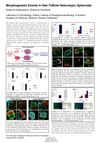
Researchers developed a method to create artificial hair follicles that may help with hair loss treatment and research.