 November 2022 in “Journal of Investigative Dermatology”
 Skin aging and cancer development are influenced by the competition between stem cells.
July 2026 in “Journal of Investigative Dermatology” 1 citations
,
April 2007 in “The FASEB Journal” Lack of certain fatty acids causes skin, immune, and fertility issues in mice.
48 citations
,
June 2000 in “Japanese Journal of Cancer Research” Dimethylarsinic acid speeds up skin tumor growth in certain mice.
June 2019 in “International journal of dermatology and venereology” The Hedgehog Signaling Pathway is important for skin and hair development and skin cancer treatment, but more research is needed to understand it fully.
Hair cortisol may help identify adrenal insufficiency in sickle cell disease patients.
3 citations
,
May 2023 in “Pediatric Dermatology” A 9-year-old boy had a rare scalp condition usually seen in young men.
69 citations
,
November 2023 in “Heliyon” Future wound dressings will be smart, multifunctional, and improve personalized medicine.
 45 citations
,
August 2018 in “Stem Cells International”
45 citations
,
August 2018 in “Stem Cells International” Stem cells, especially from fat tissue and Wharton's jelly, can potentially regenerate hair follicles and treat hair loss, but more research is needed to perfect the treatment.
35 citations
,
August 2009 in “Differentiation” Desmoglein 4 is controlled by specific proteins that affect hair growth.
35 citations
,
May 2006 in “Journal of Investigative Dermatology” Monilethrix involves multiple genes affecting hair structure, including DSG4 mutations.
34 citations
,
January 2022 in “Frontiers in Immunology” IL-25 helps heal diabetic wounds by improving blood vessel and skin cell functions.
 25 citations
,
December 2021 in “Stem Cell Research & Therapy”
25 citations
,
December 2021 in “Stem Cell Research & Therapy” MSCs and their exosomes may speed up skin wound healing but need more research for consistent use.
23 citations
,
November 2021 in “Frontiers in Chemistry” Nanozymes could improve disease treatment and detection.
8 citations
,
June 2025 in “Stem Cell Research & Therapy” Exosome therapy may help treat diabetic nerve damage, but more research is needed.
 7 citations
,
August 2022 in “Journal of Nanobiotechnology”
7 citations
,
August 2022 in “Journal of Nanobiotechnology” Advancements in nanoformulations for CRISPR-Cas9 genome editing can respond to specific triggers for controlled gene editing, showing promise in treating incurable diseases, but challenges like precision and system design complexity still need to be addressed.
 7 citations
,
January 2020 in “International Journal of Molecular Sciences”
7 citations
,
January 2020 in “International Journal of Molecular Sciences” Low-frequency electromagnetic fields can boost molecules related to hair growth in human skin cells.
5 citations
,
February 2022 in “Molecular genetics & genomic medicine” New gene variants linked to a rare inherited hair loss disorder were found in three Chinese families.
 3 citations
,
June 2023 in “MedComm”
3 citations
,
June 2023 in “MedComm” Stem cells and their exosomes show promise for repairing tissues and healing wounds when delivered effectively, but more research is needed on their tracking and optimal use.
 2 citations
,
January 2023 in “Pharmaceuticals”
2 citations
,
January 2023 in “Pharmaceuticals” Natural products and phytochemicals may help with hair regrowth, but more research is needed.
1 citations
,
April 2024 in “Cells” Corneal cells can potentially revert to stem cells, aiding in repair and regeneration.
 1 citations
,
May 2023 in “European Journal of Human Genetics”
1 citations
,
May 2023 in “European Journal of Human Genetics” Rare ULBP3 gene changes may raise the risk of Alopecia areata, a certain FAS gene deletion could cause a dysfunctional protein in an immune disorder, and having one copy of a specific genetic deletion is okay, but two copies cause sickle cell disease.
 May 2026 in “Theranostics”
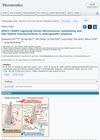
 Targeting DKK3–CKAP4 can help reverse hair loss in androgenetic alopecia.
 April 2026 in “Biomedicines”
 Wound healing is not fully understood, requiring more research and collaboration to improve treatments.
February 2026 in “Biochemical and Biophysical Research Communications” Scientists successfully regenerated functional hair follicles using specific stem cells and mesenchymal cells.
December 2025 in “Sustainable Chemistry One World” Mangosteen waste can be used as an eco-friendly natural hair dye, producing a lasting reddish color and strengthening hair.
September 2025 in “Current Issues in Molecular Biology” IGF-1 can help regrow hair and may be a promising treatment for hair loss.

Advancements in diagnostics, treatments, and technology have improved hair loss detection and restoration, with some types being reversible.
 April 2025 in “International Journal of Molecular Sciences”
 New treatments for hair loss show promise with advanced therapies and better targeting.
Current hair regeneration methods show promise but face challenges in maintaining cell effectiveness and creating the right environment for hair growth.