 7 citations
,
August 2017 in “PloS one”
7 citations
,
August 2017 in “PloS one” Key genes linked to hair growth and cancer were identified in hairless mice.
 17 citations
,
September 2013 in “The International Journal of Neuropsychopharmacology”
17 citations
,
September 2013 in “The International Journal of Neuropsychopharmacology”  194 citations
,
May 2000 in “Journal of Investigative Dermatology”
194 citations
,
May 2000 in “Journal of Investigative Dermatology” The hedgehog signaling pathway is crucial for hair growth but not for the initial creation of hair follicles.
 3 citations
,
May 2016 in “Behavioural Brain Research”
3 citations
,
May 2016 in “Behavioural Brain Research” Finasteride given to baby rats reduces dopamine release and increases alcohol consumption in adult males.
June 2026 in “Journal of Ethnopharmacology” 3 citations
,
December 2014 in “Daehan miyong hakoeji” 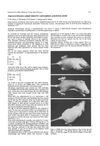 2 citations
,
September 1980 in “Experientia”
2 citations
,
September 1980 in “Experientia” Polyethylene alanine caused hair loss in young lab animals but not in adults, with hair regrowth occurring within 20 days.
August 2022 in “Ad-Dawaa' Journal of Pharmaceutical Sciences” Hibiscus rosa-sinensis L. and Baccaurea racemosa extracts help hair growth.
54 citations
,
December 2011 in “American Journal Of Pathology” A Gsdma3 mutation causes hair loss due to stem cell damage from skin inflammation.
 40 citations
,
October 2002 in “Endocrinology”
40 citations
,
October 2002 in “Endocrinology” Vitamin D3 analogs can promote hair growth in mice genetically prone to hair loss.
 April 2017 in “Journal of Investigative Dermatology”
 Blocking JAK-STAT5 signaling in mice leads to hair growth.
 37 citations
,
September 2018 in “Psychoneuroendocrinology”
37 citations
,
September 2018 in “Psychoneuroendocrinology” Finasteride treatment in male rats causes long-lasting effects on depression-like behavior, brain cell growth, inflammation, and gut bacteria composition.
October 2019 in “Asian College of Neuropsychopharmacology” 3 citations
,
January 2004 in “Journal of Wildlife Diseases” A deer fawn in South Dakota was the first cervid found with congenital hypotrichosis, a condition causing sparse or missing hair.
 July 2022 in “Journal of Investigative Dermatology”
 Dkk4 is necessary for the initial development and arrangement of hair follicles.
June 2020 in “Mağallaẗ al-anbār li-l-ʻulūm al-bayṭariyyaẗ” Finasteride reduces fertility in male rats.
 8 citations
,
March 1942 in “Journal of Endocrinology”
8 citations
,
March 1942 in “Journal of Endocrinology” Thyroid hormone treatments help thyroidectomized rats grow normally.
 10 citations
,
February 2008 in “Photochemistry and photobiology”
10 citations
,
February 2008 in “Photochemistry and photobiology” Vitamin D receptor can control the hairless gene linked to hair loss even without vitamin D.
Introducing the OTC gene improved symptoms in mice with OTC deficiency.
December 2023 in “International Journal of Health and Pharmaceutical” A mix of 80% coconut oil and 20% candlenut oil best promotes hair growth.
22 citations
,
October 2004 in “Journal of Investigative Dermatology” The gene causing hair loss and heart issues in rough coat mice is still unknown.
29 citations
,
October 2010 in “Journal of Investigative Dermatology” Activating Kras in mouse skin causes excess skin and hair loss.
1 citations
,
January 2014 in “Chinese Journal of Traditional Medical Traumatology & Orthopedics” The methods can provide high-quality cells for creating artificial hair follicles, blood vessels, and skin.
 8 citations
,
January 2007 in “International journal of experimental pathology”
8 citations
,
January 2007 in “International journal of experimental pathology” Hairless HRS/J mice resist Bacillus anthracis skin infections due to high numbers of immune cells, not because they lack hair follicles.
 March 2015 in “Journal of Visualized Experiments”
 A new method measures mouse hair loss using shades of gray.
January 2001 in “Zhongguo linchuang jiepouxue zazhi” Human hair keratin may help repair spinal cord injuries.
 June 2017 in “Jurnal Biomedik : JBM”
 Broiler chicken meat extract increases body weight, visceral fat, and hair production in young male Wistar rats.
32 citations
,
September 1996 in “Archives of Dermatological Research” 6 citations
,
September 1996 in “Archives of Dermatological Research” 1 citations
,
April 2007 in “The FASEB Journal” Lack of certain fatty acids causes skin, immune, and fertility issues in mice.