 2 citations
,
September 2021 in “JAAD case reports”
2 citations
,
September 2021 in “JAAD case reports” Dupilumab helped a woman with severe hair loss regrow her hair quickly and maintain it for six months after stopping treatment.
 2 citations
,
June 2022 in “Journal of cosmetic dermatology”
2 citations
,
June 2022 in “Journal of cosmetic dermatology” Dupilumab can help hair regrowth but may also trigger alopecia areata.
 15 citations
,
October 2022 in “Allergy”
15 citations
,
October 2022 in “Allergy” Dupilumab treatment reduces Th2-related markers and helps hair growth in alopecia areata, showing Th2's role in the condition.
 39 citations
,
March 2007 in “Journal of Cosmetic Dermatology”
39 citations
,
March 2007 in “Journal of Cosmetic Dermatology” Dutasteride helps slow hair loss and boosts hair growth.
Dupilumab may cause hair loss, so patients should be monitored.
 August 2023 in “Clinical and experimental dermatology and therapies”
 Dupilumab may help hair regrowth in some patients with severe atopic dermatitis, but results vary.
 February 2026 in “Journal of Drugs in Dermatology”
 Dupilumab helped a 13-year-old regrow hair after alopecia totalis.
December 2025 in “Skin Health and Disease” Dupilumab can cause rare hair loss, but switching treatments can restore hair and control eczema.
 October 2022 in “Portuguese journal of dermatology and venereology”
 Dupilumab led to complete hair regrowth and improved skin condition in a young man with severe eczema and hair loss.
19 citations
,
January 2019 in “JAAD case reports” A medication for skin rash also unexpectedly treated hair loss in a patient.
 July 2026 in “Mendeley Data”
 Dupilumab can cause either hair regrowth or hair loss in alopecia areata patients.
 July 2026 in “Mendeley Data”
 Dupilumab can cause either hair regrowth or hair loss in alopecia areata patients.
 March 2021 in “International Journal of Clinical Dermatology & Research”
 Dupilumab can help regrow hair in alopecia areata but stopping it may cause hair loss again.
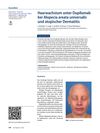 1 citations
,
October 2021 in “Deleted Journal”
1 citations
,
October 2021 in “Deleted Journal” Dupilumab can help regrow hair and improve skin conditions in patients with severe atopic dermatitis and alopecia areata.
 October 2021 in “Cosmoderma”
 Hair loss can be managed with treatments like minoxidil, finasteride, and others, but there are still gaps in effectiveness and off-label usage is increasing.
58 citations
,
May 2004 in “British Journal of Dermatology” Diphenylcyclopropenone treatment helps hair growth in alopecia areata by promoting blood vessel growth and cell survival.
3 citations
,
July 2023 in “International Journal of Trichology” DPCP can help regrow hair in some people with severe alopecia.
June 2024 in “British Journal of Dermatology” Dupilumab can both trigger and treat alopecia areata, often leading to hair regrowth.
33 citations
,
January 2019 in “Acta Dermato Venereologica” Dupilumab may help regrow hair in people with atopic dermatitis.
Dupilumab may worsen hair loss in patients with alopecia areata.
 26 citations
,
July 2019 in “JAAD Case Reports”
26 citations
,
July 2019 in “JAAD Case Reports” Dupilumab for atopic dermatitis may cause new or worsen existing alopecia areata.
Trichopigmentation is a non-invasive, reversible treatment for hair loss that offers natural-looking results for both men and women.
 August 2021 in “Skin appendage disorders”
 Two people lost hair unexpectedly after getting a common hair loss treatment with a drug called Dutasteride.
 May 2009 in “Medical and surgical dermatology/Medical & surgical dermatology”
 Hair and nail conditions can stabilize or improve over time, and new treatments show promise.
 17 citations
,
June 2016 in “Australasian Journal of Dermatology”
17 citations
,
June 2016 in “Australasian Journal of Dermatology” Treatment with dutasteride, minoxidil, and artificial hair transplantation improved appearance but caused folliculitis.
 May 2012 in “Scientific American”
 Blocking a compound called prostaglandin D₂ might help treat hair loss.
 August 2023 in “Indian journal of pediatrics/Indian Journal of Pediatrics”
 Topical treatments helped a child with Down syndrome and severe hair loss regrow most of his hair.
 49 citations
,
December 2018 in “Journal of Investigational Allergology and Clinical Immunology”
49 citations
,
December 2018 in “Journal of Investigational Allergology and Clinical Immunology” Dupilumab may cause hair loss in some patients with severe atopic dermatitis.
May 2006 in “Skin & Allergy News”  August 2007 in “CRC Press eBooks”
 Hair loss is mainly caused by a testosterone byproduct, and hair restoration surgery uses hair from the back and sides of the scalp.