Search
for
Sort by
Research
180-210 / 1000+ results
research SCABIOSIS AND TOXOCARIOSIS IN A LOCAL DOG
The dog recovered well after treatment, showing no skin issues and normal hair growth.
research UTMD Enhances Targeting of Diclofenac and Doxil® to Boost Tumor Immunotherapy
UTMD with diclofenac and Doxil® improves cancer treatment by boosting immune response and reducing tumor-supporting cells.
research Ornithine decarboxylase transgenic mice as a model for human atrichia with papular lesions
ODC transgenic mice can model human hair loss with skin lesions.
research A novel monilethrix mutation in coil 2A of KRT86 causing autosomal dominant monilethrix with incomplete penetrance
A new mutation in the KRT86 gene causes a hair disorder with variable expression.
research 42736 Safety Assessments in the Multinational Phase 3 THRIVE-AA1 Trial with CTP-543 (Deuruxolitinib) in Adult Patients with Moderate to Severe Alopecia Areata
CTP-543 is generally safe for treating alopecia areata.
research The lanceolate hair rat phenotype results from a missense mutation in a calcium coordinating site of the desmoglein 4 gene
A gene mutation causes lanceolate hair in rats by disrupting hair shaft integrity.
research Cyclical dermal micro-niche switching governs the morphological infradian rhythm of mouse zigzag hair
Mouse zigzag hair bends form due to a 3-day cycle of changes in hair progenitors and their environment.
research Tether-induced tenosynovitis: The importance of an intact skin barrier
An intact skin barrier is crucial to prevent infection in cases of tether-induced tenosynovitis.
research Actualización de la tricodinia, un reto para los dermatólogos
Trichodynia is a painful scalp condition linked to hair loss and mental health issues, with limited treatment options.

research Accessibility of direct-to-consumer teledermatology to underserved populations
Direct-to-consumer teledermatology is not effectively reaching underserved populations due to language, technology, and insurance barriers.
research Trichothiodystrophy
Trichothiodystrophy is a condition with brittle hair and various physical and mental issues due to low sulfur in proteins.
research High-magnification universal serial bus dermoscopy: A convenient alternative to direct microscopic examination
USB videodermatoscopes are a practical and affordable alternative for diagnosing skin conditions.
research A case of loose anagen hair syndrome associated with trichotillomania in a 14-year-old girl
A 14-year-old girl with a condition that makes her hair easy to pull out also has a hair-pulling disorder, and treatment helped but she relapsed after a year.
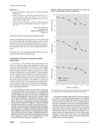
research Treatment of Tourette’s Syndrome With Finasteride
Finasteride may effectively reduce Tourette's syndrome symptoms and improve life quality.
research Tangled
A girl with Rapunzel syndrome had surgery to remove a hairball, and addressing mental health is important to prevent it from happening again.
research Treatment of trichostasis spinulosa with 0.5-millisecond pulsed 755-nm alexandrite laser
The 755-nm alexandrite laser effectively and quickly treats trichostasis spinulosa with minimal pain and no side effects.
research Insights in Trichoscopy: The Utility of Ultraviolet‐Induced Fluorescence Dermoscopy in Diagnosis of Alopecia Areata and Tinea Capitis in the Pediatric Population
UVFD helps quickly diagnose hair loss conditions in children.

research Trichothiodystrophy hair shafts display distinct ultrastructural features
Trichothiodystrophy hair is structurally abnormal with protein and organization issues.
research Dermpath & Clinic: Telangiectasia macularis eruptiva perstans
Brodalumab is more effective than ustekinumab in treating psoriasis.
research Obsessive-compulsive disorder in dermatology
Skin doctors should recognize and treat conditions like hair-pulling and skin-picking early, often using therapy and medication, to help 50-70% of patients.

research Trichotillomania Across Circuits: Neurobiology, Sensory Processing, and Genetic Insights
Trichotillomania treatment is improving with behavior therapy and new drug approaches, but challenges like stigma and underdiagnosis remain.
research Temporal Triangular Alopecia—Clinical and Dermoscopic Features of a Rare Entity
Temporal triangular alopecia is a harmless, non-progressive hair loss condition.
research Lanceolate hair-J (lahJ): a mouse model for human hair disorders [In Process Citation]
The lanceolate hair-J mutation in mice helps understand human hair disorders like Netherton's syndrome.
research A Mouse Model for the Basal Transcription/DNA Repair Syndrome Trichothiodystrophy
Researchers created a mouse with the same mutation as humans with trichothiodystrophy, showing similar symptoms and confirming the condition is due to defects in DNA repair and gene activity.
research Characterizing enteric neurons in dopamine transporter (DAT)‐Cre reporter mice reveals dopaminergic subtypes with dual‐transmitter content
Dopaminergic neurons in the gut have diverse subtypes with different neurotransmitter contents.
research TRICHOGRAM OBSERVATION OF ORAL IVERMECTIN THERAPY IN SCABIOSIS AND OTITIS EXTERNA IN DOMESTIC CATS
Oral ivermectin effectively treated a cat's mite infections, improving its condition.
research Case report - Hair shaft normalization and hair growth in SPINK5-syndromic epidermal differentiation disorder (Netherton syndrome) while on treatment with dupilumab: a novel therapeutic approach for Trichorrhexis invaginata
Dupilumab improved hair and skin in a woman with Netherton syndrome.
research Dysmorphic Concern Questionnaire: Greek Translation, Validation and Psychometric Properties
The Greek DCQ is a reliable and valid tool for assessing dysmorphic concern.
research Trichonodosis: a case report and literature review
Topical minoxidil can help improve hair in trichonodosis.