Human hair color is determined by melanin types and genetic factors.
 15 citations
,
March 1997 in “International Journal of Dermatology”
15 citations
,
March 1997 in “International Journal of Dermatology” Selenium sulfide in anti-dandruff shampoos can turn hair green.
 June 2026 in “Zenodo (CERN European Organization for Nuclear Research)”
 Herbal hair dye with Bhringraj is effective, safe, and eco-friendly.
2 citations
,
November 2024 in “JAAD reviews.” Certain drugs can change hair color, either lightening or darkening it.
 June 2026 in “Zenodo (CERN European Organization for Nuclear Research)”
 Herbal hair dye with Bhringraj is effective, safe, and eco-friendly.
450 citations
,
January 2005 in “The journal of investigative dermatology/Journal of investigative dermatology” Hair color is determined by melanin produced and transferred in hair follicles.

Plant-based dyes are a safe, effective, and eco-friendly alternative to synthetic dyes.
3 citations
,
September 2021 in “Data in brief” Bleaching hair changes its structure and weakens it, which is important for understanding hair damage and creating treatments.
152 citations
,
December 2003 in “Micron” As people age, their hair follicles produce less pigment, leading to gray and white hair, due to factors like reduced enzyme activity and damage to melanocyte DNA.
 3 citations
,
June 2023 in “ACS sustainable chemistry & engineering”
3 citations
,
June 2023 in “ACS sustainable chemistry & engineering” The study found a green method for strengthening hair works on all hair colors and is eco-friendly.

A natural hair dye from cuttlefish ink and chitosan effectively colors hair black without harmful chemicals.
17 citations
,
May 2019 in “Molecules” These temporary hair dyes may be harmful to human health.
 7 citations
,
January 2013 in “Journal of Cosmetics, Dermatological Sciences and Applications”
7 citations
,
January 2013 in “Journal of Cosmetics, Dermatological Sciences and Applications” Argan oil and cupuassu butter can protect hair after dyeing.
 36 citations
,
October 2014 in “Langmuir”
36 citations
,
October 2014 in “Langmuir” Bleaching hair removes its protective top layer and exposes more hydrophilic groups, changing its chemical surface and affecting how it interacts with products.
August 2013 in “Toxicology letters” January 2026 in “International Journal of Cosmetic Science” Hair vibrancy involves how hair looks and feels, helping create better hair products.
5 citations
,
February 2012 in “Australasian Journal of Dermatology” Two red-haired men with alopecia areata regrew black hair instead of red.
6 citations
,
January 1988 in “PubMed” Swimming in pools with high copper can turn hair green, especially if hair is damaged.
 13 citations
,
March 2006 in “International Journal of Cosmetic Science”
13 citations
,
March 2006 in “International Journal of Cosmetic Science” The study found that a polymer treatment changes the charge on hair surfaces, making bleached hair smoother and less porous.
1 citations
,
May 2012 in “Clinical and Experimental Dermatology” Iron can be present in hair color changes without overall iron deficiency.
150 citations
,
July 2001 in “Clinics in dermatology” Proper haircare and communication with doctors are key to managing hair loss and avoiding damage.
January 2010 in “DR-NTU (Nanyang Technological University)” Hair coloring and chlorine change hair strength differently.
 1 citations
,
October 2021 in “Indian Journal of Plastic Surgery/Indian journal of plastic surgery”
1 citations
,
October 2021 in “Indian Journal of Plastic Surgery/Indian journal of plastic surgery” Proper hair care and safe use of hair products are crucial for those with hair loss.
 June 2026 in “Zenodo (CERN European Organization for Nuclear Research)”
 Henna is a safer, natural hair dye but needs more research and standardization.
 12 citations
,
December 2017 in “Food and chemical toxicology”
12 citations
,
December 2017 in “Food and chemical toxicology” Permanent hair dye mixtures can irritate and damage the skin.
A new method was developed to gently isolate hair pigment while keeping its structure intact.
 9 citations
,
May 2013 in “JAMA Dermatology”
9 citations
,
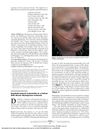
May 2013 in “JAMA Dermatology” A woman's hair turned white after taking a cancer drug called dasatinib.
February 2016 in “Seoul National University Open Repository (Seoul National University)” Photodynamic therapy can temporarily remove nonpigmented hair but is less effective than lasers for black hair.
79 citations
,
January 1975 in “Food and Cosmetics Toxicology” The hair dye formulations tested did not cause long-term toxicity or cancer in mice.
November 2021 in “CRC Press eBooks” Hair color is determined by melanin and can be affected by genetic conditions like albinism.