 6 citations
,
July 2021 in “Microbial biotechnology”
6 citations
,
July 2021 in “Microbial biotechnology” The combined treatment with engineered bacteria and yellow LED light improved wound healing in mice.
 5 citations
,
October 2025 in “International Journal of Nanomedicine”
5 citations
,
October 2025 in “International Journal of Nanomedicine” Traditional Chinese Medicine and biomaterials help heal chronic wounds by targeting multiple pathways.
 4 citations
,
October 2014 in “Journal of Integrative Agriculture”
4 citations
,
October 2014 in “Journal of Integrative Agriculture” Researchers found 24 genes that change significantly and affect cashmere growth in goats; this could help increase cashmere production.
 3 citations
,
March 2008 in “Medical laser application”
3 citations
,
March 2008 in “Medical laser application” Lasers have become safer and more effective for treating skin problems and hair removal.
 1 citations
,
August 2023 in “bioRxiv (Cold Spring Harbor Laboratory)”
1 citations
,
August 2023 in “bioRxiv (Cold Spring Harbor Laboratory)” The research created a detailed map of skin cells, showing that certain cells in basal cell carcinoma may come from hair follicles and could help the cancer grow.
 May 2026 in “Theranostics”
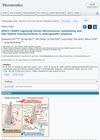
 Targeting DKK3–CKAP4 can help reverse hair loss in androgenetic alopecia.
 March 2026 in “Wiadomości Lekarskie”
 Psychological stress speeds up skin aging.
September 2025 in “Biomolecules” The skin microenvironment significantly affects hair growth and loss, offering potential treatment avenues.
February 2024 in “Epigenomes” Epigenetic mechanisms control skin development by regulating gene expression.
 October 2023 in “Biomedical science and engineering”
 Innovative methods are reducing animal testing and improving biomedical research.
 April 2018 in “Journal of Investigative Dermatology”
 People with alopecia areata have higher levels of a heart disease marker in their blood.
 65 citations
,
June 2003 in “EMBO journal”
65 citations
,
June 2003 in “EMBO journal” Noggin overexpression delays eyelid opening by affecting cell death and skin cell development.
 29 citations
,
March 2019 in “British Journal of Dermatology”
29 citations
,
March 2019 in “British Journal of Dermatology” Acne is significantly influenced by genetics, and understanding its genetic basis could lead to better, targeted treatments.
 23 citations
,
December 2017 in “Scientific Reports”
23 citations
,
December 2017 in “Scientific Reports” ARL15 is important for fat cell development and the release of the hormone adiponectin.
 October 2025 in “International Wound Journal”
 Gamma-irradiated amniotic fluid improves healing and reduces thickness of hypertrophic scars.
 December 2024 in “Stem Cell Research & Therapy”
 ZO-1 helps hair follicle stem cells renew better by changing their structure.
 October 1982 in “American Journal of Nursing”
 Wound healing is a complex process involving different cells and stages, leading to scar tissue formation and strength increase over time.
 124 citations
,
February 2018 in “Nature Reviews Genetics”
124 citations
,
February 2018 in “Nature Reviews Genetics” Stem cell plasticity is crucial for wound healing but can also contribute to cancer development.
 14 citations
,
February 2020 in “Scientific reports”
14 citations
,
February 2020 in “Scientific reports” Telocytes in the scalp may help with skin regeneration and maintenance.
 12 citations
,
January 2021 in “Journal of Investigative Dermatology”
12 citations
,
January 2021 in “Journal of Investigative Dermatology” Hair follicle studies suggest that maintaining telomere length could help treat hair loss and graying, but it's uncertain if mouse results apply to humans.
2 citations
,
July 2025 in “Chemical Engineering Journal” The hydrogel dressing effectively treats infected wounds by combining infection control and tissue regeneration.
 February 2026 in “BMC Genomics”
 MEG3-miRNAs help control wool traits in young Tan sheep by regulating immune responses, but their decline with age leads to wool changes.
 June 2024 in “Journal of Allergy and Clinical Immunology”
 TSLP affects atopic dermatitis by increasing sebum and reducing fat through IL-4/IL-13 signaling.
Non-immune dermal cells dominate, epidermal cells increase after day 9, and certain immune cells persist beyond inflammation in wound-induced hair follicle regeneration.
February 2017 in “Developmental Cell” Mammary stem cells drive mammary gland growth by branching and cell mixing.
ETS2 is crucial in squamous cell carcinoma development and could be a therapeutic target.
ETS2 drives cancer progression in squamous cell carcinoma and is linked to poor patient outcomes.
 1 citations
,
March 2023 in “bioRxiv (Cold Spring Harbor Laboratory)”
1 citations
,
March 2023 in “bioRxiv (Cold Spring Harbor Laboratory)” NAC1 controls certain enzymes that reduce root hair growth in Arabidopsis.
 June 2026 in “International Science Journal”
 Tissue bioengineering and regenerative medicine are improving tissue restoration and recovery, with promising new therapies and personalized approaches.
 March 2026 in “European Journal of Biomedical and Life Sciences”
 Restorative dermopigmentation improves skin appearance and function by addressing specific skin issues.