 April 2018 in “Journal of Investigative Dermatology”
 The study found that p63 needs signals from morphogens to help skin cells differentiate properly.
 54 citations
,
June 1985 in “American Journal of Dermatopathology”
54 citations
,
June 1985 in “American Journal of Dermatopathology” Minoxidil helps grow longer, thicker hair in bald scalps of stumptailed macaques, and early treatment is more effective.
 211 citations
,
November 2018 in “Nature Cell Biology”
211 citations
,
November 2018 in “Nature Cell Biology” Stem cells help heal skin wounds by moving and changing roles, working with other cells, and needing more research on their activation and behavior.
 93 citations
,
June 2011 in “Journal of Neuroscience”
93 citations
,
June 2011 in “Journal of Neuroscience” p63 is essential for activating and differentiating stem cells in the nose's olfactory tissue.
 31 citations
,
November 2016 in “Cell Reports”
31 citations
,
November 2016 in “Cell Reports” Touch sensitivity in mouse skin decreases during hair growth due to changes in touch receptors.
 12 citations
,
November 2014 in “PLOS Computational Biology”
12 citations
,
November 2014 in “PLOS Computational Biology” The study concluded that hair growth in mice is regulated by a stable interaction between skin cell types, and disrupting this can cause hair loss.
 26 citations
,
January 2013 in “BioMed Research International”
26 citations
,
January 2013 in “BioMed Research International” Hormonal changes after childbirth and menopause can lead to women's hair loss and facial hair growth, with a need for better treatments.
 333 citations
,
February 2010 in “Cell Stem Cell”
333 citations
,
February 2010 in “Cell Stem Cell” Stem cell niches are crucial for regulating stem cell behavior and tissue health, and their decline can impact aging and cancer.
 13 citations
,
January 2018 in “Cellular Physiology and Biochemistry”
13 citations
,
January 2018 in “Cellular Physiology and Biochemistry” Fat-derived stem cells can help protect and repair skin stem cells from aging caused by UV light.
 January 2026 in “Microsystems & Nanoengineering”
 Research on silica-based nanobiomaterials for tissue regeneration is rapidly growing, with China leading in volume and the U.S. excelling in impact.

Adipocytes in atopic dermatitis skin change and worsen inflammation and fibrosis.
 April 2018 in “Journal of Investigative Dermatology”
 The keratin network in mouse skin changes during cornification and affects the skin's protective barrier.
 April 2026 in “Microsystems & Nanoengineering”
 HA-gel-dex hydrogels help heal wounds and regenerate tissue effectively.
 November 2025 in “Frontiers in Nutrition”
 Olive leaf extract may help reduce aging signs in postmenopausal women.
 April 2025 in “Scientific Reports”
 Astragaloside A may help fight lung cancer by targeting specific proteins.
 April 2026 in “Experimental & Molecular Medicine”
 Mouse and human skin development share similar fibroblast timelines.
23 citations
,
March 2023 in “eLife” Stem cell differentiation involves gradual chromatin changes and dynamic gene activity.
 20 citations
,
January 2013 in “Cell & Bioscience”
20 citations
,
January 2013 in “Cell & Bioscience” Understanding how epigenetic regulation affects stem cells is key to cancer insights and new treatments.
July 2025 in “Nano Research” Nanotechnology can improve tissue healing by controlling immune responses.
 June 2018 in “Biomedical Journal of Scientific & Technical Research”
 Cells can change to help heal wounds better.
 253 citations
,
March 1994 in “Developmental dynamics”
253 citations
,
March 1994 in “Developmental dynamics” Apoptosis is essential for human skin development and forming a functional epidermis.
44 citations
,
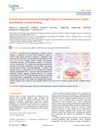
June 2023 in “Cell Reports” IL-1 promotes fat cell growth in skin, while WNT inhibits it and encourages scar formation.
 9 citations
,
December 2024 in “Nano Research”
9 citations
,
December 2024 in “Nano Research” A protein-based hydrogel helps heal diabetic wounds and repair nerves.
 4 citations
,
October 2025 in “International Journal of Medical Sciences”
4 citations
,
October 2025 in “International Journal of Medical Sciences” Tripeptides help heal wounds and regenerate skin by speeding up tissue repair and reducing inflammation.
2 citations
,
July 2025 in “Journal of Plastic Reconstructive & Aesthetic Surgery” Hair follicles can improve wound healing and reduce scarring.
Microneedling may improve neck scars, but more research is needed.
 April 2024 in “Frontiers in physiology”
 Immune cells are crucial for hair growth and preventing hair loss.
 September 2017 in “Journal of Investigative Dermatology”
 The Siah1 and Siah2 genes are active in mouse skin development and hair growth, especially right after birth.
 11 citations
,
February 2022 in “Scientific Reports”
11 citations
,
February 2022 in “Scientific Reports” CD26+ fibroblasts improve skin healing and integration better than CD26− fibroblasts.
7 citations
,
October 2024 in “Cells” Autophagy is essential for proper skin cell development and function.