
CaBP1 and 2 are important for maintaining the activity of calcium channels necessary for hearing in inner ear cells.

CaBP1 and CaBP2 are important for maintaining hearing by supporting continuous calcium currents and nerve signaling in the ear.
Using hair gel is an effective and patient-friendly way to keep hair out of the way during ear surgery.
10 citations
,
January 1987 in “PubMed” Thyroid hormone and epidermal growth factor affect hair angle, tooth eruption, and ear development in rats.
 July 2019 in “Journal of the Formosan Medical Association”
 Melatonin may help with nerve pain, a hepatitis C drug is effective but has side effects, a treatment for mouth sores works but can cause blood issues, ear reconstruction with an implant is safe, HIV transmission from mother to child in Taiwan is now 0% with treatment, certain blood problems are more common in people with a tongue condition, a gene and being overweight are linked to hair loss in some women, a new technique could reduce radiation for lung nodule patients, a hepatitis treatment may lower cancer recurrence after a procedure, and adding extra screening improves tuberculosis detection in patients with lung infections.
 May 2015 in “Journal of Investigative Dermatology”
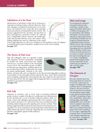
 Melanoma risk tools need improvement, a gene mutation causes a hair disorder that might be treated by managing cell stress, a potential therapy for a skin-ear disorder involves blocking cell channels, skin wrinkling may indicate lung aging regardless of smoking, and oxidative stress might contribute to common baldness.
January 2015 in “SciDok (Saarland University and State Library)” Clobetasol nanocarriers can be effectively delivered to hair follicles, with uptake improved by massage and affected by particle type.
3 citations
,
February 2025 in “Journal of Investigative Dermatology” Lipocartilage is a new type of tissue that affects hair growth and cartilage regeneration.
November 2025 in “Journal of Investigative Dermatology” Skin-associated cartilage cells can influence hair growth by altering specific signaling pathways.
19 citations
,
April 2013 in “Drug Development and Industrial Pharmacy” Hair follicles are important for the absorption of certain drugs into the skin.
10 citations
,
June 2019 in “International Journal of Pharmaceutics” Hair removal methods damage the skin barrier and affect substance penetration.
 1 citations
,
October 2025 in “Nature Communications”
1 citations
,
October 2025 in “Nature Communications” Cell size controls when stem cells divide.
 January 2025 in “Open Medicine”
 High-concentration cell-free adipose extract reduces scar formation and improves scar appearance.
161 citations
,
April 2006 in “Journal of Investigative Dermatology” Liposomes with certain properties can effectively deliver drugs deep into hair follicles.
147 citations
,
April 1997 in “Oncogene” Overexpressing IGF-1 in mice leads to skin abnormalities and tumors.
60 citations
,
October 2020 in “Journal of Controlled Release” Curcumin nanocrystals in simple gels effectively penetrate hair follicles, but humectants can reduce this efficacy.
 32 citations
,
April 2014 in “The journal of investigative dermatology/Journal of investigative dermatology”
32 citations
,
April 2014 in “The journal of investigative dermatology/Journal of investigative dermatology” Loss of keratin K2 causes skin problems and inflammation.
 31 citations
,
September 2016 in “PLoS ONE”
31 citations
,
September 2016 in “PLoS ONE” Cell division orientation varies by body site and is linked to epidermal thickness and cell density.
31 citations
,
January 2012 in “Skin Research and Technology” The w/o lotion with blended cellulose improved curcumin skin penetration best.
29 citations
,
April 2017 in “Macromolecular bioscience” Scientists created tiny pH-sensing gels that can safely measure the pH levels inside hair follicles.
 27 citations
,
January 2012 in “Current Topics in Microbiology and Immunology”
27 citations
,
January 2012 in “Current Topics in Microbiology and Immunology” Mice that can regenerate tissue have cells that pause in the cell cycle, which is important for healing, similar to axolotls.
22 citations
,
September 2014 in “JAMA dermatology” Ichthyosis with confetti is a genetic skin disorder with consistent ectodermal malformations and various KRT10 gene mutations.
13 citations
,
November 2015 in “Gene” Let-7b helps alpaca hair grow by reducing TGFβR I protein.
13 citations
,
July 2003 in “Annals of the Rheumatic Diseases” Co-trimoxazole successfully treated a girl with multiple autoimmune symptoms.
 9 citations
,
April 2024 in “Cureus”
9 citations
,
April 2024 in “Cureus” Vogt-Koyanagi-Harada disease affects vision and skin, mainly in people with darker skin, and is treated with steroids and immunosuppressants.
6 citations
,
August 2005 in “Facial Plastic Surgery Clinics of North America” Specific techniques can make facelift results look more natural.
5 citations
,
January 2016 in “Purdue e-Pubs (Purdue University System)” Dogs in these breeding facilities generally had good physical welfare with minor health issues.
 4 citations
,
January 2016 in “Journal of cosmetology & trichology”
4 citations
,
January 2016 in “Journal of cosmetology & trichology” Excessive cell phone use may cause hair loss due to electromagnetic radiation.
3 citations
,
December 2007 in “Journal of Otology” Guinea pig fat stem cells can become hair cell-like cells in a lab.
3 citations
,
August 2004 in “Veterinary Dermatology” Supplementing vitamins and minerals prevented hair loss in Icelandic horses.