 2 citations
,
January 2018 in “Elsevier eBooks”
2 citations
,
January 2018 in “Elsevier eBooks” Lipid nanoparticles improve drug delivery through the skin, offering stability, controlled release, and better compatibility with skin.
 1 citations
,
January 2020
1 citations
,
January 2020 Ift20 is essential for hair follicle function and skin cell movement.
 1 citations
,
January 2019 in “Paediatrics and Child Health”
1 citations
,
January 2019 in “Paediatrics and Child Health” The document concludes that understanding hair biology and recognizing hair conditions are crucial for managing and treating hair loss in children.
 1 citations
,
January 2019 in “Springer eBooks”
1 citations
,
January 2019 in “Springer eBooks” Hidradenitis Suppurativa is a chronic skin condition best treated early with surgery for better outcomes and less recurrence.
 1 citations
,
July 2016 in “Elsevier eBooks”
1 citations
,
July 2016 in “Elsevier eBooks” Understanding skin structure and development helps diagnose and treat skin disorders.
 1 citations
,
January 2015 in “Springer eBooks”
1 citations
,
January 2015 in “Springer eBooks” Chemotherapy can cause skin side effects that affect patients' lives, but they can be managed to avoid interrupting cancer treatment.
 1 citations
,
June 2014 in “Serbian Journal of Dermatology and Venereology”
1 citations
,
June 2014 in “Serbian Journal of Dermatology and Venereology” A woman with discoid lupus improved with treatment after being misdiagnosed with a different hair loss condition.
 1 citations
,
January 2010 in “Elsevier eBooks”
1 citations
,
January 2010 in “Elsevier eBooks” Any drug can cause skin reactions, but antibiotics, NSAIDs, and psychotropic drugs are more common, with some reactions being life-threatening.
 June 2026 in “Frontiers in Immunology”
 EMT plays a key role in skin fibrosis and offers new therapy targets.
 May 2026 in “Organoid Research”
 Hydrogel-based methods improve skin organoid development for medical and research applications.

Targeting androgen receptors in the skin is the most effective treatment for hyperandrogenism-related skin issues.
 April 2026 in “International Journal of Clinical Oncology”
 Combining immune checkpoint inhibitors with other cancer therapies increases skin side effects in Asian patients.
 January 2026 in “Inflammation and Regeneration”
 Two-photon microscopy improves skin imaging but faces safety and cost challenges for clinical use.
 November 2023 in “Linköping University medical dissertations”
 Keratinocytes and adipose-derived stem cells can effectively heal difficult skin wounds.
 April 2021 in “BMJ Case Reports”
 Accurate diagnosis of pseudolymphomatous folliculitis is crucial to avoid mistaking it for more serious conditions.
 December 2018 in “IntechOpen eBooks”
 Neurohormones help control skin health and could treat skin disorders.
 January 2018 in “Springer eBooks”
 Cancer treatments targeting specific cells often cause skin, hair, and nail problems, affecting patients' lives and requiring careful management.
 December 2016 in “British Journal of Dermatology”
 The meeting highlighted the importance of genetic testing and multidisciplinary approaches in pediatric dermatology.
 June 2016 in “CRC Press eBooks”
 Sleep problems and skin issues affect each other; poor sleep can worsen skin conditions, and some skin treatments can improve or harm sleep quality.
 March 2015 in “Plastic and reconstructive surgery”
 Human skin has multiple layers and functions, with key roles in protection, temperature control, and appearance.

Skin changes throughout life, from development before birth to aging effects like wrinkles, influenced by both genetics and environment.
 May 2013 in “Springer eBooks”
 Skin problems in the elderly are unique and may indicate other diseases, involving changes in skin, hair, nails, and increased cancer risk.
 April 2012 in “Informa Healthcare eBooks”
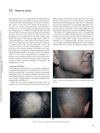
 Alopecia areata is a common autoimmune condition causing varying hair loss, diagnosed by specific patterns of inflammation around hair follicles, with several treatment options available.
 August 2009 in “Expert Review of Dermatology”
 Pregnancy can cause skin changes and conditions that need correct diagnosis and treatment for the health of the mother and baby.
 September 2004 in “Experimental dermatology”
 Melatonin directly affects mouse hair follicles and may influence hair growth.
 January 2003 in “American Journal of Clinical Dermatology”
 In 2002, various skin reactions were reported due to different drugs, including allergies, hair loss, skin lesions, and other skin conditions.
 July 2002 in “Australasian Journal of Dermatology”
 Maintaining anticoagulation is crucial for patients with antiphospholipid syndrome.
 July 2002 in “Australasian Journal of Dermatology”
 A woman with lupus had hair loss and skin issues that were successfully treated with medications.
 14 citations
,
January 2016 in “Elsevier eBooks”
14 citations
,
January 2016 in “Elsevier eBooks” Liposomes improve the delivery and effectiveness of cosmetic ingredients but face challenges like cost and stability.