34 citations
,
September 2010 in “Clinical and Experimental Dermatology” A new gene mutation linked to KID syndrome was found, expanding genetic knowledge.
July 2024 in “Journal of Investigative Dermatology” DS-2325a is safe and well-tolerated, supporting further development for Netherton Syndrome treatment.
 April 2018 in “Journal of Investigative Dermatology”
 The role of γδT-cells in causing alopecia areata remains unclear.
 1 citations
,
March 2004 in “Journal of the American Academy of Dermatology”
1 citations
,
March 2004 in “Journal of the American Academy of Dermatology” ZD1839, a cancer drug, can cause mild skin rashes that are treatable without stopping the medication.
November 2025 in “Biomedicines” JAK1 inhibitors can help reduce itchiness in atopic dermatitis.
80 citations
,
June 1997 in “The American Journal of Human Genetics”  May 2023 in “Skin research and technology”
 A DNA aptamer helps promote hair growth by enhancing a key cell growth signal in hair follicle cells.
 July 2022 in “Dermatology Reports”
 A rare scalp condition called Erosive pustular dermatosis is hard to diagnose and treat.
July 2024 in “Journal of Investigative Dermatology” Pediatric patients with dystrophic epidermolysis bullosa face more hospital admissions, procedures, and complications than others.
 February 2009 in “Journal of The American Academy of Dermatology”
 The document concludes that detailed clinical descriptions of seven family cases help understand dominant dystrophic epidermolysis bullosa's symptoms and inheritance.
 1 citations
,
May 2023 in “Journal of neuroendocrinology”
1 citations
,
May 2023 in “Journal of neuroendocrinology” DAVID syndrome is a condition with immune system and hormone deficiencies, needing early diagnosis to avoid serious complications.
February 2025 in “Journal of Paediatrics and Child Health” Genetic analysis is crucial for diagnosing ectodermal dysplasia syndromes, and new therapies may help improve skin issues.
 2 citations
,
November 2015 in “Endocrinology, Diabetes & Metabolism Case Reports”
2 citations
,
November 2015 in “Endocrinology, Diabetes & Metabolism Case Reports” A man with X-ALD improved after treatment, highlighting the need to consider X-ALD in similar patients and test their relatives.
1 citations
,
September 2021 in “Journal of Cosmetic Dermatology” Certain gene variations may increase the risk of hair loss in Egyptians.
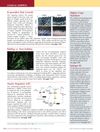 July 2016 in “Journal of Investigative Dermatology”
 R-spondin2 may help treat hair loss, gene differences could explain baldness, a peptide's regulation is linked to psoriasis, B-defensin gene copies may affect a skin condition's risk and severity, and potential markers and targets for alopecia areata were identified.
April 2025 in “Molecular Biology Reports” DNMT1 may help treat hypospadias by improving cell function and preventing unwanted cell changes.
October 2020 in “Pediatrics in Review” The newborn was diagnosed with a rare skin disorder causing blisters, which requires careful wound care and family support.
20 citations
,
April 2000 in “Experimental dermatology” ODC transgenic mice can model human hair loss with skin lesions.
 4 citations
,
November 2022 in “Frontiers in endocrinology”
4 citations
,
November 2022 in “Frontiers in endocrinology” The enzyme 5α-reductase type 1 is important for blood vessel development and fertility in the uterus.
3 citations
,
July 2022 in “Indian Journal of Dermatology” ALEP is a drug-triggered skin reaction with pustules that clears up in a week after stopping the drug.
 2 citations
,
March 2015 in “Hepatitis Monthly”
2 citations
,
March 2015 in “Hepatitis Monthly” A woman's hair loss during Hepatitis C treatment with PEG-INF-a-2a and Ribavirin was reversible after stopping the medication.
 11 citations
,
August 2010 in “Developmental neurobiology”
11 citations
,
August 2010 in “Developmental neurobiology” Ptprq has multiple forms that change during inner ear development.
10 citations
,
April 2013 in “Journal of Investigative Dermatology” Epidermolytic ichthyosis can be inherited in a semidominant way with mild symptoms in carriers.
 April 2017 in “The journal of investigative dermatology/Journal of investigative dermatology”
 Astrotactin2 affects hair follicle orientation and skin cell polarity.
 9 citations
,
July 2017 in “Dermatologic Therapy”
9 citations
,
July 2017 in “Dermatologic Therapy” Two elderly men developed scalp inflammation after using a gel for skin lesions, which healed with treatment except for some permanent hair loss.
 62 citations
,
January 2010 in “Hormone research in paediatrics”
62 citations
,
January 2010 in “Hormone research in paediatrics” Genetic screening is crucial for accurately diagnosing APS-1 due to its varied symptoms.
2 citations
,
May 2023 in “Indian Journal of Dermatology Venereology and Leprology” A new genetic mutation in the CAST gene may link PLACK syndrome to alopecia areata.
January 2009 in “ScholarlyCommons (University of Pennsylvania)” The P133R mutation in AKR1D1 enzyme causes harmful bile acid buildup, explaining related health issues.
 4 citations
,
May 2019 in “Journal of The European Academy of Dermatology and Venereology”
4 citations
,
May 2019 in “Journal of The European Academy of Dermatology and Venereology” Hair loss treatment caused more hair loss in a man.
4 citations
,
February 2019 in “BioMed Research International” Ebastine may promote hair regrowth by increasing cell growth through the ERK pathway.