 September 2024 in “Advanced Biomedical Research”
 Chick embryo extract helps rat hair follicle stem cells become more like neurons.

The document concludes that the FOLLYSIS© system improves hair transplant processes and patient monitoring with high accuracy and less skin trauma.
 13 citations
,
August 2002 in “Dermatologic Surgery”
13 citations
,
August 2002 in “Dermatologic Surgery” FUE is a less invasive hair transplant method suitable for many patients, but it has limitations and may not replace traditional techniques.
 July 2013 in “Hair transplant forum international”
 Dr. James Harris successfully incorporated Follicular Unit Extraction into his hair restoration practice, offering more surgical options and achieving natural results with the help of a team approach.
 July 2026 in “Lasers in Medical Science”
 Fractional microneedle radiofrequency is effective and safe for skin rejuvenation and acne scars.
83 citations
,
October 2016 in “Stem Cells and Development” Epidermal growth factor helps hair stem cells grow by activating specific cell pathways.
43 citations
,
January 2016 in “Cellular physiology and biochemistry” Epidermal Growth Factor helps hair follicle cells grow and move by activating a specific cell signaling pathway.
 March 2011 in “European Urology Supplements”
 CEC levels may be a useful marker for predicting prostate cancer progression.
June 2025 in “Journal of Ultrasound in Medicine” High-frequency ultrasound effectively evaluates and diagnoses frontal fibrosing alopecia.
 9 citations
,
July 2002 in “Journal of the European Academy of Dermatology and Venereology”
9 citations
,
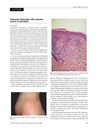
July 2002 in “Journal of the European Academy of Dermatology and Venereology” The document concludes that fexofenadine reduces inflammation in chronic hives, cholestyramine helps half of pregnant women with itchy rashes, and relaxing incisions are a good alternative in facial surgery for the elderly.
 46 citations
,
January 2015 in “Journal of The American Academy of Dermatology”
46 citations
,
January 2015 in “Journal of The American Academy of Dermatology” Trichoscopy helps diagnose and assess the severity of Frontal Fibrosing Alopecia.
 September 2022 in “Piretc”
 The document's conclusion cannot be provided because the document is not accessible or understandable.
 179 citations
,
December 2004 in “Journal of The American Academy of Dermatology”
179 citations
,
December 2004 in “Journal of The American Academy of Dermatology” Some postmenopausal women with frontal fibrosing alopecia stopped losing hair with finasteride treatment, hinting at a possible hormonal cause.
20 citations
,
December 2019 in “International Journal of Molecular Sciences” HB-EGF boosts the hair growth ability of stem cells, making it a potential hair loss treatment.
 71 citations
,
October 2008 in “The journal of investigative dermatology/Journal of investigative dermatology”
71 citations
,
October 2008 in “The journal of investigative dermatology/Journal of investigative dermatology” HFMs can help study hair growth and test potential hair growth drugs.
 8 citations
,
November 2018 in “Australasian Journal of Dermatology”
8 citations
,
November 2018 in “Australasian Journal of Dermatology” Frontal fibrosing alopecia in families shows similar signs to individual cases and may have a genetic link.
 8 citations
,
December 2008 in “Journal of The American Academy of Dermatology”
8 citations
,
December 2008 in “Journal of The American Academy of Dermatology” Finasteride can cause a unique skin reaction on the penile shaft.
3 citations
,
January 2000 in “Current Medical Research and Opinion” Eflornithine HCl 13.9% cream is safe for skin use with mild, temporary irritation.
19 citations
,
January 2020 in “Journal of Biophotonics” A PEG-400/oleic acid mixture best improves drug delivery monitoring through hair follicles.
September 2023 in “Journal of the American Academy of Dermatology” Current guidelines may overlook beard and sideburn involvement in diagnosing frontal fibrosing alopecia in men.
July 2022 in “Journal of Cosmetic Dermatology” Isotretinoin with tacrolimus may be more effective short-term for treating frontal fibrosing alopecia than finasteride with tacrolimus.
 18 citations
,
October 2015 in “Journal of the European Academy of Dermatology and Venereology”
18 citations
,
October 2015 in “Journal of the European Academy of Dermatology and Venereology” European dermatological guidelines vary in quality, with some highly rated, but improvements are needed in applicability and consistency.
 5 citations
,
February 2004 in “Clinical and Experimental Ophthalmology”
5 citations
,
February 2004 in “Clinical and Experimental Ophthalmology” Multiple eye conditions were studied, highlighting the importance of various imaging methods for diagnosis, the vision side effects of drugs tamoxifen and Propecia, and the usefulness of optical coherence tomography for diagnosing and monitoring macular and retinal diseases.
14 citations
,
January 2014 in “Indian Journal of Dermatology Venereology and Leprology” Frontal fibrosing alopecia can affect men's beards and leads to permanent hair loss.
 83 citations
,
April 1992 in “Clinical Endocrinology”
83 citations
,
April 1992 in “Clinical Endocrinology” Having enough iron improves the effectiveness of a specific hair loss treatment in women.
August 2019 in “Journal of the American Academy of Dermatology” Frontal fibrosing alopecia may be caused by an autoimmune reaction and hormonal imbalance.
17 citations
,
September 2022 in “Biomaterials Research” The film-trigger applicator improves microneedle skin delivery and drug efficiency using simple finger force.
 4 citations
,
January 2020 in “International Journal of Trichology”
4 citations
,
January 2020 in “International Journal of Trichology” Too much epidermal growth factor can cause hair loss.
 May 1963 in “American journal of obstetrics and gynecology”
 Injecting 2 ml of TEEV every 4 weeks is better because it has the same benefits but fewer side effects.
The document cannot be parsed.