22 citations
,
September 1982 in “Journal of ultrastructure research” Wool follicle cells are more complex than previously thought.
 April 2019 in “Journal of Investigative Dermatology”
 The created skin model with melanoblasts improves the study of skin color and offers an alternative to animal testing.
 October 2023 in “Journal of Molecular Liquids”
 A new method using imidazole-based liquids efficiently extracts keratin from yak hair.
32 citations
,
January 2020 in “Journal of Molecular Histology” K31 can identify clear secretory cells in human sweat glands.
 May 2021 in “Histochemistry and Cell Biology”
 The May issue discussed publishing agreements and four studies on cholesterol in hair, cancer cell changes, hormones in the uterus, and skin protein effects.
 4 citations
,
January 1994 in “Yakugaku zasshi”
4 citations
,
January 1994 in “Yakugaku zasshi” EPC-K is stable except at very acidic pH or when exposed to sunlight, and it can decompose in low ethanol concentrations.
 4 citations
,
August 2014 in “Journal of molecular structure”
4 citations
,
August 2014 in “Journal of molecular structure” Chemical treatments on bleached black hair change its internal structure by breaking and reforming bonds, and treatments with hydrolyzed eggwhite protein help repair it.
 January 1963 in “Stain technology”
 Ziehl-Neelsen's stain helps identify different parts of hair in sheep and goats.
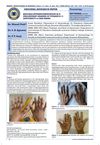 July 2021 in “PARIPEX INDIAN JOURNAL OF RESEARCH”
 Knuckle darkening can be an early sign of vitamin B12 deficiency.
1 citations
,
January 2025 in “Poultry Science” Pekin duck skin quality improves with age, peaking at 5-6 weeks.
IGF-I and EGF together boost sheep hair follicle growth.
June 2026 in “International Journal of Drug Delivery Technology” Clove, cinnamon, and coriander extracts may help reduce blood vessel growth.
15 citations
,
January 1988 Hair follicles have unique proteins that vary by species and are influenced by nutrition.
9 citations
,
November 1991 in “American Journal of Kidney Diseases” 2 citations
,
August 2021 in “Animal Cells and Systems” Egfl6 is not needed for zebrafish face development.
47 citations
,
July 2005 in “European Journal of Cell Biology” Terrestrial vertebrates have balanced keratin gene clusters, unlike teleost fish.
33 citations
,
August 2000 in “Experimental Cell Research” 3 citations
,
March 2025 in “Science Advances” A specific DNA duplication in Polish chickens affects feather shape by altering gene expression.
January 2007 in “Journal of Inner Mongolia University” The research helps in creating genetically modified animals to study hair growth.
7 citations
,
July 2016 in “Journal of Biomedical Materials Research Part A” cGEL hydrogel improves melanin production in skin cells, making it a promising option for skin treatments.
January 2008 in “Memorial University Research Repository (Memorial University)” Pygopus 2 helps ovarian cancer cells grow by aiding ribosomal RNA production, independent of Wnt signaling.
The KRTAP36-2 gene in sheep affects wool yield.
 1 citations
,
October 2022 in “Scientific reports”
1 citations
,
October 2022 in “Scientific reports” Nestin identifies specific progenitor cells in hair follicles that can become outer root sheath cells.
6 citations
,
October 2003 in “Journal of applied polymer science” A new method using poly(ethylene imine) improves hair dyeing at lower temperatures with better color retention.
83 citations
,
May 2011 in “Experimental Dermatology” Sheep have 17 keratin genes, similar to humans, but with different expression patterns affecting wool and hair.
 January 2025 in “Open Veterinary Journal”
 Zinc, copper, and vitamin A deficiencies cause skin disorders in sheep.
 2 citations
,
March 2018 in “Biotechnology Letters”
2 citations
,
March 2018 in “Biotechnology Letters” Scientists created a new cell line from Cashmere goat hair and found that cytokeratin 13 is a unique marker for certain skin cells.
31 citations
,
January 2014 in “The Scientific World JOURNAL” Eclipta prostrata extract protects skin cells from UVB damage and has strong antioxidant properties.
16 citations
,
January 1998 in “Dermatology” Human sebaceous glands can grow normally for a week without certain growth factors, and adding estrogen reduces their oil production without affecting cell growth.
PPARβ/δ helps yaks adapt to high altitudes by regulating lipid metabolism in their coats.