January 2024 in “International journal of molecular sciences” A brain-made hormone can protect against memory-related brain damage caused by harmful proteins.
7 citations
,
February 2020 in “Analytical and Bioanalytical Chemistry” September 2023 in “Pharmaceutics” The new face mask with Eflornithine can potentially reduce facial hair growth and moisturize skin.
 October 2024 in “The Journal of Dermatology”
 Intravenous corticosteroid therapy is effective for long-term hair regrowth in alopecia areata, and a scoring system helps predict treatment success and relapse.
16 citations
,
November 2008 in “Journal of the American Academy of Dermatology” Consider necrolytic acral erythema in similar cases and treat with oral zinc sulfate.
 May 2020 in “Plastic and Aesthetic Research”
 Endoscopic facial rejuvenation is key for natural, long-lasting results with less scarring and quick recovery.
October 1933 in “Experimental Biology and Medicine” Epinephrine injections can cause severe skin reactions like hair loss and necrosis.
May 2020 in “The journal of investigative dermatology/Journal of investigative dermatology” BIVV009 is a safe treatment for bullous pemphigoid that reduces C3 deposition without harmful side effects.
 December 2023 in “Journal of Ayub Medical College Abbottabad”
 Ritlecitinib effectively treats alopecia areata in patients 12 and older with fewer side effects.
 February 2025 in “Cermin Dunia Kedokteran”
 ADEM is a sudden brain disorder often following infection or vaccination, diagnosed by ruling out other conditions.
 April 2023 in “The journal of investigative dermatology/Journal of investigative dermatology”
 Estetrol may help prevent hair loss and promote hair growth in women.
 4 citations
,
September 2011 in “American Journal of Clinical Dermatology”
4 citations
,
September 2011 in “American Journal of Clinical Dermatology” Ethinylestradiol/chlormadinone acetate may be an effective and well-tolerated treatment for skin conditions caused by excess androgens.
179 citations
,
December 1989 in “Medical Entomology and Zoology” Effective management of ichthyoses requires genetic counseling and appropriate treatments.
2 citations
,
May 2021 in “Neuropathology & applied neurobiology/Neuropathology and applied neurobiology” Correct diagnosis and treatment are crucial for effective management of lipid storage myopathies.
24 citations
,
January 2014 in “PubMed” Imiquimod cream 5% effectively treated generalized discoid lupus erythematosus.
13 citations
,
January 2024 in “Journal of Nanobiotechnology” The new wound dressing improves healing and tissue repair better than conventional dressings.
October 2025 in “Chinese Chemical Letters” Using a special solvent can make Cacumen Platycladi essential oil more effective for treating hair loss.
February 2026 in “Biomedicine & Pharmacotherapy” MLPH helps hair grow by activating IGF-1 signaling in hair cells.
August 2024 in “British Journal of Dermatology” Rezpegaldesleukin shows promise for treating severe alopecia areata.
10 citations
,
November 2017 in “Skin Appendage Disorders” Erosive pustular dermatosis in elderly people may be linked to aging immune systems and skin damage.
7 citations
,
October 2016 in “Cellular and Molecular Bioengineering” E-cadherin is important for cell movement in electric fields, and the new tracking method works well.
 6 citations
,
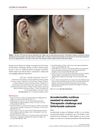
June 2008 in “Journal of the European Academy of Dermatology and Venereology”
6 citations
,
June 2008 in “Journal of the European Academy of Dermatology and Venereology” A man with Acrodermatitis continua did not get better with etanercept treatment, and his condition worsened, suggesting treatment effectiveness may vary by genetics and race.
Intramuscular injection of 131I is a safe and effective way to induce hypothyroidism in rats without harming muscle tissue.
Ganoderma Lucidum extract and ganoderic acid A can help prevent hair loss.
 1 citations
,
January 2014 in “Rinsho Shinkeigaku”
1 citations
,
January 2014 in “Rinsho Shinkeigaku” Immunological treatment improved both neuropathy and alopecia.
84 citations
,
February 1981 in “Journal of Endocrinology” Epidermal growth factor slows hair and body growth in mice.
51 citations
,
January 2024 in “Burns & Trauma” Engineered extracellular vesicles can improve tissue repair and regeneration.
July 2014 in “Journal of the Dermatology Nurses' Association” The document concluded with a call for article submissions for the 2014 Writing Awards.
November 2025 in “OPAL (Open@LaTrobe) (La Trobe University)” Tectona grandis leaves may help treat hair loss and inflammation.
Glycogen helps E. coli cells divide unevenly and organize their contents.