143 citations
,
May 2002 in “PubMed” LGD1069 effectively prevents breast tumors in mice without toxicity.
April 2017 in “Journal of dermatological science” Removing PLCg1 from skin cells caused thicker oil glands and less hair in mice.
35 citations
,
June 2012 in “PloS one” Keratin 15 expression in skin cells is regulated by two mechanisms involving PKC/AP-1 and FOXM1.
November 2025 in “PLoS ONE” Nucleic acids trigger chemokine production in skin cells, affecting skin inflammation.
January 2009 in “Journal of Zhengzhou University” LAIC cream can improve acne by making skin thinner and softer.
37 citations
,
December 2020 in “PLANT PHYSIOLOGY” A mutant FERONIA gene affects root hair growth at high temperatures.
5 citations
,
March 2016 in “Experimental and molecular pathology” Mice with alopecia areata had wider lymphatic vessels in their skin.
 65 citations
,
June 2003 in “EMBO journal”
65 citations
,
June 2003 in “EMBO journal” Noggin overexpression delays eyelid opening by affecting cell death and skin cell development.
66 citations
,
June 2001 in “Gastroenterology” The keratin 19 promoter effectively targets genes in specific epithelial cells in mice.
6 citations
,
December 2021 in “Journal of Clinical Medicine” LiPADI is a useful tool for monitoring the severity and treatment of lichen planus.
10 citations
,
April 2013 in “Journal of Investigative Dermatology” Epidermolytic ichthyosis can be inherited in a semidominant way with mild symptoms in carriers.
June 2010 in “Chinese Journal of Dermatology” A new gene mutation is linked to monilethrix in the studied family.
The scant hair in snthr-1Bao mice is likely caused by a deletion affecting the Plcd1 gene.
11 citations
,
June 2010 in “Dermatologic surgery” The dual-wavelength laser system effectively reduces EFFC symptoms with minimal side effects.
6 citations
,
December 2022 in “Journal of Infection” The ACE1 gene variant doesn't affect long-COVID symptoms.
3 citations
,
November 2022 in “Molecules/Molecules online/Molecules annual” The substances improved hair regrowth and protected hair cells in humans and mice.
October 2018 in “The American journal of gastroenterology” Pembrolizumab can cause serious liver issues, requiring close monitoring and early treatment.
 April 2023 in “The journal of investigative dermatology/Journal of investigative dermatology”
 KLF4 is important for keeping hair follicle stem cells inactive.
3 citations
,
January 2025 in “Journal of Natural Products” Calancardin B may help reduce inflammation in immune cells.
 8 citations
,
April 2022 in “The journal of investigative dermatology/Journal of investigative dermatology”
8 citations
,
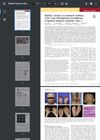
April 2022 in “The journal of investigative dermatology/Journal of investigative dermatology” Certain genetic changes in the LSS gene cause a rare skin and hair condition.
13 citations
,
October 2020 in “BMC Genomics” Long non-coding RNAs play a key role in yak hair growth cycles.
August 2022 in “Biomedicines” Turning off the Lhx2 gene in mouse embryos leads to slower wound healing and scars.
 17 citations
,
June 2017 in “Gene”
17 citations
,
June 2017 in “Gene” A rare genetic mutation found in an Indian family can be detected through prenatal screening.
 2 citations
,
October 2022 in “The journal of investigative dermatology/Journal of investigative dermatology”
2 citations
,
October 2022 in “The journal of investigative dermatology/Journal of investigative dermatology” AIRE deficiency causes hair loss similar to alopecia areata in mice.
 6 citations
,
October 2012 in “Journal of Heredity”
6 citations
,
October 2012 in “Journal of Heredity” The Itpr3 gene causes a specific hair pattern in mice.
 April 2018 in “Journal of Investigative Dermatology”
 NDRG1 protein helps infantile hemangioma, a common infant tumor, to grow, and its mismanagement by FOXO1 protein plays a big role in causing the tumor.
9 citations
,
July 2007 in “Journal of Investigative Dermatology” Claudin expression changes help the skin respond to injury.
Genetic analysis of rabbits identified key genes for traits like coat color, body size, and fertility.
January 2017 in “Seoul National University Open Repository (Seoul National University)” AIMP1 can boost hair growth by increasing stem cell activity.
 2 citations
,
January 2024 in “Advances in Dermatology and Allergology”
2 citations
,
January 2024 in “Advances in Dermatology and Allergology” S100A7 and IL-17 may contribute to inflammation in lichen planopilaris.