42 citations
,
January 2002 in “Skin Pharmacology and Physiology” Reconstructed skin models are useful for studying how skin processes certain chemicals.
6 citations
,
December 2022 in “Anais Brasileiros de Dermatologia” 2 citations
,
January 2025 in “Journal of Nanobiotechnology” A new engineered treatment shows promise in curing heart fibrosis.
 April 2026 in “Inflammopharmacology”
 Punica granatum leaf extract may help treat skin fibrosis by reducing inflammation and oxidative stress.
 91 citations
,
July 2010 in “Tissue Engineering Part A”
91 citations
,
July 2010 in “Tissue Engineering Part A” Low-oxygen conditions and ECM degradation products increase the healing abilities of perivascular stem cells.
 40 citations
,
March 2022 in “Small”
40 citations
,
March 2022 in “Small” Hydrogel with M2-derived exosomes improves wound healing by slowly releasing exosomes that help reduce inflammation and promote tissue repair.
6 citations
,
December 2023 in “Journal of Molecular Cell Biology” Removing Gsdma1/2/3 genes reduces skin cell overgrowth by blocking a specific cell pathway.
January 1995 in “Journal of the Society of Cosmetic Chemists” Transglutaminase does not modify human hair.
 October 2021 in “Austin journal of biomedical engineering”
 The material combining eggshell protein and scaffold helps wounds heal faster and regenerates tissue effectively.
58 citations
,
March 2019 in “Frontiers in Pharmacology” Wedelolactone may help treat lung fibrosis by reducing inflammation and lung damage.
 January 2018 in “Stem cells in clinical applications”
 Exosomes show promise for tissue repair and regeneration with advantages over traditional cell therapies.
 3 citations
,
September 2005 in “Experimental dermatology”
3 citations
,
September 2005 in “Experimental dermatology” The cornified envelope is crucial for skin's barrier function and involves key proteins and genetic factors.
 12 citations
,
February 2025 in “Scientific Reports”
12 citations
,
February 2025 in “Scientific Reports” MSC-EVs and UCB-EVs improve skin wound healing and reduce scarring.
January 2023 in “Advanced Biology” DNA methylation changes affect gene expression during esophageal healing with silk grafts in rats.
January 2025 in “Archives of Dermatological Research” April 2025 in “Journal of Advances in Medical and Pharmaceutical Sciences” Spanlastics can improve drug delivery by effectively penetrating biological membranes.
 2 citations
,
January 2023 in “Bioresource Technology Reports”
2 citations
,
January 2023 in “Bioresource Technology Reports” Enzymes can release hydrocarbons from Botryococcus braunii without harming cells, suggesting potential for continuous extraction.
Matriptase-2 helps control iron levels by suppressing hepcidin, and its deficiency can cause iron-deficiency anemia.
July 2025 in “Journal of Investigative Dermatology” Resident memory T cells and necroptosis may drive fibrosis in eosinophilic fasciitis and morphea.
January 1964 in “OSTI OAI (U.S. Department of Energy Office of Scientific and Technical Information)” CXCL7 is essential for muscle repair by aiding early neutrophil infiltration.
 August 2019 in “Journal of Medical Histology”
 EMT helps heal tissues but can cause scarring and other issues if prolonged.
Exosomes show promise for improving skin health and healing.
 July 2023 in “Письма в Вавиловский журнал генетики и селекции”
 Extracellular nucleic acids help start inflammation needed for tissue repair, but must be properly regulated.
56 citations
,
January 2022 in “Burns & Trauma” WNT5A contributes to keloid scars by promoting cell changes through specific signaling pathways.
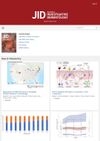 November 2022 in “Journal of Investigative Dermatology”
 Neutrophils quickly respond to skin injury.
75 citations
,
January 2004 in “Molecular and Cellular Biology” XEDAR deficiency prevents muscle degeneration in EDA-A2 transgenic mice.
 July 2025 in “bioRxiv (Cold Spring Harbor Laboratory)”
 Thrombin-preconditioned exosomes speed up wound healing and reduce scarring.
December 2025 in “Journal of Drug Discovery and Therapeutics” Spanlastics improve drug delivery by enhancing bioavailability and targeting, reducing side effects.
 2 citations
,
January 2018 in “International Journal of Biochemistry & Physiology”
2 citations
,
January 2018 in “International Journal of Biochemistry & Physiology” Wnt genes help starfish regrow arms by aiding wound healing and cell development.
 September 2025 in “Frontiers in Cell and Developmental Biology”
 TCM-derived nanovesicles show promise for wound healing and skin regeneration but need more research.