 November 2022 in “Gigascience”
 A specific genetic deletion in goats affects cashmere yield and thickness.
 19 citations
,
January 2001 in “Internal Medicine”
19 citations
,
January 2001 in “Internal Medicine” Protein-losing enteropathy worsened with lupus symptoms but improved with prednisolone.
August 2020 in “bioRxiv (Cold Spring Harbor Laboratory)” Normal cells outcompete and remove mutant cells in the pancreas with the help of the EphA2 receptor.
5 citations
,
May 2022 in “Diagnostics” Certain genetic markers can indicate higher or lower risk for systemic lupus erythematosus.
7 citations
,
March 2023 in “The Journal of Biochemistry” LONRF1 is important for oxidative damage response and tissue remodeling during wound healing.
150 citations
,
June 1999 in “Oncogene” 44 citations
,
June 1967 in “The journal of nutrition/The Journal of nutrition” Lack of essential fatty acids in diet causes reproductive issues and poor health in male rabbits.
25 citations
,
November 2020 in “Proceedings of the National Academy of Sciences” HoxC genes are crucial for normal hair and nail development.
 April 2023 in “Journal of Investigative Dermatology”
 Ashwagandha nanoparticles help increase hair growth.
1 citations
,
November 2025 in “Molecules” Ellagic acid can help treat skin issues, but its effectiveness is limited by poor absorption, so new delivery methods are being explored.
7 citations
,
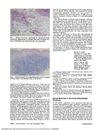
August 1971 in “JAMA” Tinea faciale can be mistaken for lupus due to similar symptoms.
 8 citations
,
November 1990 in “Archives of Dermatology”
8 citations
,
November 1990 in “Archives of Dermatology” A woman with EMS showed unusual skin mucinosis without the typical hard skin syndrome, suggesting EMS can cause skin mucinosis.
July 2025 in “Journal of Investigative Dermatology” Tissue-engineered skin substitutes can model junctional epidermolysis bullosa and may help develop gene therapy.

mEphA1 receptor tyrosine kinase is important for skin and hair development and may play a role in certain diseases.
1 citations
,
January 2010 in “Shenyang Nongye Daxue xuebao” IGF-1 and EGF together significantly boost hair follicle growth in cashmere goats.
 80 citations
,
April 2011 in “Plant physiology”
80 citations
,
April 2011 in “Plant physiology” White lupin uses specific genes to grow root hairs and access phosphorus when it's scarce.
 October 2021 in “Austin journal of biomedical engineering”
 The material combining eggshell protein and scaffold helps wounds heal faster and regenerates tissue effectively.
27 citations
,
February 2020 in “EMBO Reports” MEX3A is crucial for maintaining intestinal stem cells in mice.
503 citations
,
May 2009 in “Cell stem cell” Lrig1 marks a unique group of stem cells in mouse skin that can become different skin cell types.
12 citations
,
July 2019 in “Veterinary Dermatology” Nestin-expressing progenitor cells become outer root sheath keratinocytes.
January 2014 in “Journal of Jilin University” Higher levels of certain immune cells and proteins are linked to more severe lupus symptoms.
 20 citations
,
January 2005 in “Australasian Journal of Dermatology”
20 citations
,
January 2005 in “Australasian Journal of Dermatology” A woman had a skin condition with increased normal elastic fibers, not related to other known disorders, likely due to aging.
 1 citations
,
January 2013 in “African Journal of Pharmacy and Pharmacology”
1 citations
,
January 2013 in “African Journal of Pharmacy and Pharmacology” A new method makes extracting luteolin from Eclipta prostrata faster and easier.
May 2023 in “bioRxiv (Cold Spring Harbor Laboratory)” The research mapped diverse cell types in mouse lacrimal glands, aiding understanding of gland biology and diseases.
2 citations
,
January 2024 in “BioMed Research International” Patients with alopecia areata and eosinophilia have more nail issues and severe hair loss.
SLE patients experience hair loss similar to telogen effluvium, with hair damage and immune activity at hair follicles.
 January 2021 in “Research Square (Research Square)”
 150 kHz electromagnetic radiation may improve polycystic ovary condition in rats.
92 citations
,
April 2009 in “Journal of Investigative Dermatology” The Celsr1 gene is crucial for normal hair patterning in mice.
151 citations
,
August 2011 in “The EMBO Journal” The enzyme PA-PLA1α is important for proper hair follicle development.