 January 2024 in “Wiadomości Lekarskie”
 Swedish doctors maintain a good work-life balance through moderation, teamwork, and supportive systems.
 January 2024 in “Wiadomości Lekarskie”
 AI in medicine raises many questions and concerns.
 January 2024 in “Wiadomości Lekarskie”
 Uveal melanoma is hard to treat when it spreads, but a new drug, tebentafusp, helps patients live longer.
 January 2024 in “Wiadomości Lekarskie”
 Chronic critical illness often leads to long ICU stays and ongoing health issues after surviving the initial critical phase.
 January 2024 in “Wiadomości Lekarskie”
 Autologous fat grafting for facial regeneration is widely used but lacks evidence on the best methods.
 January 2024 in “Wiadomości Lekarskie”
 Grzegorz Ziembicki significantly advanced surgical education and practice, innovating techniques and advocating for the medical profession.
 January 2024 in “Wiadomości Lekarskie”
 Social media and virtual reality increase dissatisfaction with natural appearance, boosting demand for aesthetic surgery.
 January 2024 in “Wiadomości Lekarskie”
 Liraglutide with metformin reduces body fat and improves blood sugar control better than metformin and inositol in women with prediabetes.
 January 2024 in “Wiadomości Lekarskie”
 Exercise-induced particles can slow breast cancer growth by boosting immune response.
 January 2024 in “Wiadomości Lekarskie”
 Patients with limited English prefer professional language interpretation in otolaryngology clinics.
 January 2024 in “Wiadomości Lekarskie”
 Aortic aneurysm treatment has shifted to less invasive methods, improving safety and outcomes.
 January 2024 in “Wiadomości Lekarskie”
 New devices may treat heart failure more effectively than drugs.
 January 2024 in “Wiadomości Lekarskie”
 Thyroid disorders, especially autoimmune ones, are very common in the studied group.
 January 2024 in “Wiadomości Lekarskie”
 The ABI1 gene contributes to prostate cancer progression and treatment resistance.
 January 2024 in “Wiadomości Lekarskie”
 Cell therapy is advancing with stem cell transplants and genetically modified cells improving treatment for diseases like cancer and autoimmune disorders.
 January 2024 in “Wiadomości Lekarskie”
 Using Decamethoxine and Blastomunil together speeds up wound healing.
 January 2024 in “Wiadomości Lekarskie”
 Pre-surgical embolization and a two-stage resection improve outcomes for rare sacral tumors.
 January 2024 in “Wiadomości Lekarskie”
 A multidisciplinary approach is crucial for managing Silver-Russell syndrome effectively.
 January 2024 in “Wiadomości Lekarskie”
 Countries should improve sex education, access to contraception, and legal abortion options.
 January 2024 in “Wiadomości Lekarskie”
 Rhabdomyosarcoma is the most common head and neck cancer in children, requiring complex treatment.
 January 2024 in “Wiadomości Lekarskie”
 Comprehensive treatment improved hearing in 89.7% of soldiers with blast-induced hearing loss.
 January 2024 in “Wiadomości Lekarskie”
 Ancient immune and signaling pathways still regulate blood cell development.
 January 2024 in “Wiadomości Lekarskie”
 Virtual surgical planning improves efficiency, coordination, and precision in complex surgeries.
 January 2023 in “Wiadomości Lekarskie”
 Local antibiotic therapy can effectively treat root canal infections.
 June 2022 in “International journal of drug delivery technology”
 Nebivolol cream may be a promising hair loss treatment by improving blood flow and nourishing hair follicles.
 April 2018 in “The journal of investigative dermatology/Journal of investigative dermatology”
 Researchers created a 3D-printed skin model that grew human hair when grafted onto mice by improving blood supply to the grafts.
 May 2017 in “American Society of Health-System Pharmacists eBooks”
  January 2017 in “Springer eBooks”
 The document explains various skin conditions and their treatments.
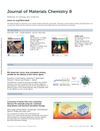 January 2016 in “Journal of Materials Chemistry B”
 Advancements in biomaterials and nanotechnology are improving medical applications like hair growth, bone regeneration, and cancer treatment.
 January 1953 in “The Lancet”
 Alopecia areata's causes are unclear, treatments exist but relapses are common.