Light tickling can be unpleasant and may feel worse for individuals with autism.
 April 2023 in “Journal of Investigative Dermatology”
 A new pain-measuring system using sensors and AI can effectively detect pain in mice, which may help assess pain in humans and develop treatments.
May 2024 in “International journal of medicine and psychology.” People act on needs when they mentally accept and are ready, influenced by internal and external factors.
11 citations
,
August 2017 in “Supportive care in cancer” Madarosis (eyebrow and eyelash loss) significantly affects quality of life for breast cancer patients on taxane-based chemotherapy.
January 2021 in “Brazilian Journal of Development” Female hair loss causes emotional distress and needs holistic treatment.
May 2024 in “International journal of medicine and psychology.” Work motivation and personal adaptation in real estate vary by gender and experience.
Emotional states significantly affect hair growth and hair disorders.
16 citations
,
October 2018 in “BMC Complementary and Alternative Medicine” Crataeva nurvala leaves may help reduce anxiety and improve sleep.
 10 citations
,
January 2023 in “Journal of the European Academy of Dermatology and Venereology”
10 citations
,
January 2023 in “Journal of the European Academy of Dermatology and Venereology” Alopecia areata greatly affects people's life quality, mental health, and work life.
10 citations
,
April 2020 in “Journal of Mind and Medical Sciences” Rational thinking helps young adults resolve conflicts better than experiential thinking.
1 citations
,
January 2024 in “European Journal of Therapeutics” YouTube is a more reliable source for rheumatoid arthritis exercise videos than TikTok.
December 2025 in “Biology” Male and female mice handle stress differently.
October 2025 in “Preprints.org” Male and female mice handle stress differently.
March 2025 in “International Journal of Clinical Dermatology” Psychodermatosis is reclassified based on brain-skin interaction, dividing conditions into psychogenic and psychosomatic categories.
 October 2023 in “The Open public health journal”
 Alopecia greatly affects Greek women's daily life, relationships, and self-image, with mixed social support and dissatisfaction with treatments.
 October 2022 in “Frontiers in Endocrinology”
 New tools show that in fish, NPY increases feeding and somatostatin decreases it.

Meis2 is essential for touch sensation and proper nerve connection to touch receptors in certain skin areas of mice.
 34 citations
,
August 2005 in “Dermatologic Clinics”
34 citations
,
August 2005 in “Dermatologic Clinics” Stress and emotional factors can worsen skin conditions by affecting the immune system.
 February 2026 in “Psychiatria”
 Stress and emotional suppression can cause hair loss, so addressing both mental and physical health is important.
 64 citations
,
May 2003 in “Journal of health psychology”
64 citations
,
May 2003 in “Journal of health psychology” Women with excess body hair feel psychological distress influenced by societal beauty standards, but distress isn't directly linked to the amount of hair.
 8 citations
,
November 1990 in “Archives of Dermatology”
8 citations
,
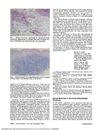
November 1990 in “Archives of Dermatology” A woman with EMS showed unusual skin mucinosis without the typical hard skin syndrome, suggesting EMS can cause skin mucinosis.
August 2023 in “Stem cell reviews and reports”  2 citations
,
January 1979 in “Yearbook of English studies”
2 citations
,
January 1979 in “Yearbook of English studies” Nineteenth-century British drama closely reflected the era's societal values and concerns.
2 citations
,
January 2008 Androgenetic alopecia significantly affects women's emotions, especially older women.
January 2026 in “SSRN Electronic Journal” TRPV4 channels in the skin may enhance the effects of acupuncture.
The transcription factor Meis2 is essential for touch sensation and proper nerve development in touch receptors.
 115 citations
,
November 2004 in “Brain Behavior and Immunity”
115 citations
,
November 2004 in “Brain Behavior and Immunity” Stress increases nerve fibers and immune cell activity in mouse skin, possibly worsening skin conditions.
 February 2026 in “Clinical Cosmetic and Investigational Dermatology”
 Low humidity changes skin gene expression, but emollients can help manage these changes.
 1 citations
,
February 2024 in “Philosophy, ethics, and humanities in medicine”
1 citations
,
February 2024 in “Philosophy, ethics, and humanities in medicine” Aesthetic medicine needs clear ethical guidelines to ensure patient well-being and safety.